



Hungary Braces for Austerity as EU Pushes for Price Cap Removals
Translated from Hungarian, summarized and contextualized by DistantNews.
At a glance
Analysis
Sources not specified
Context piece
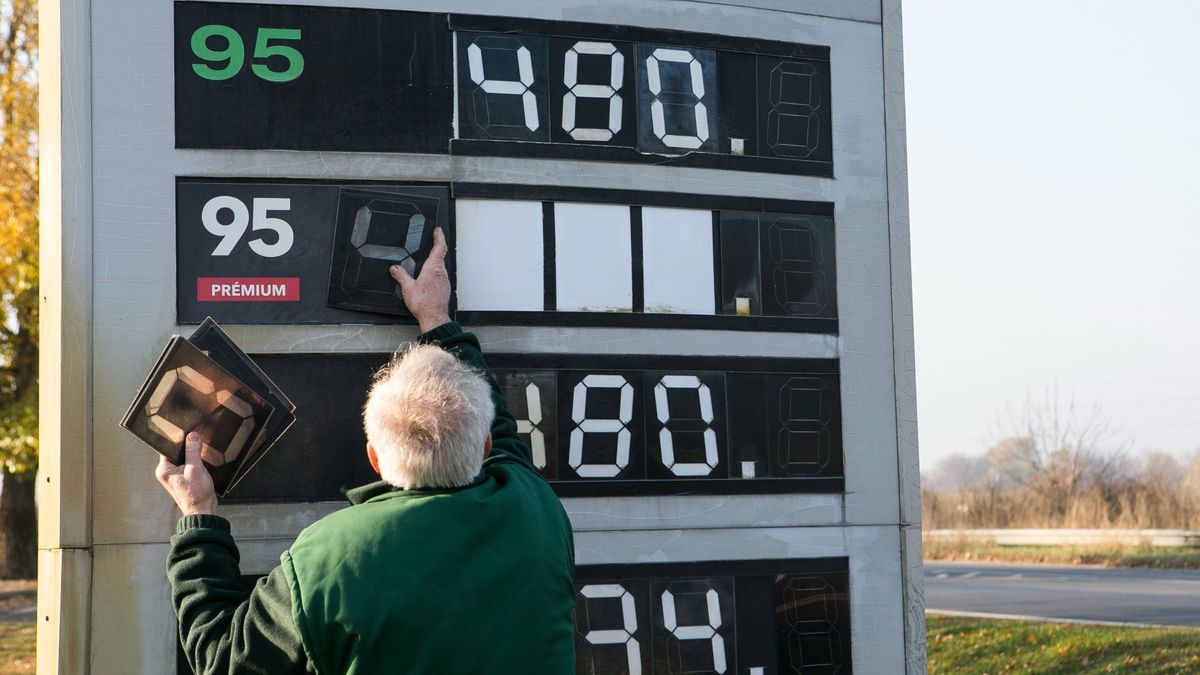
- Hungary faces potential austerity measures as the European Commission pushes for the removal of protected fuel prices and a 10% price margin cap on food.
- Eliminating these measures could lead to significant annual cost increases for families, estimated between 180,000 and 360,000 forints.
- Further austerity could target the pension system, including the elimination of 13th and 14th-month pensions, and the phasing out of sector-specific taxes and tax benefits, ultimately dismantling the regulated utility price system.
Hungary is bracing for a wave of austerity measures, driven by recommendations from the European Commission. Brussels has signaled disapproval of protected fuel prices, which are expected to be phased out, and a 10% price margin cap on food items. The removal of these caps could see profit margins on food products revert to previous levels of 40-60%, and in some cases, even exceeding 100%. For an average Hungarian family, this could translate to an annual increase in expenses ranging from 180,000 to 360,000 forints.
If the current ten percent price margin cap on food is abolished, then profit margins of forty to sixty percent will return. Don't forget, there was a product where the profit margin far exceeded one hundred percent. If we calculate with the same profit margin as before March 15 last year, then an average family would spend 180-360 thousand forints more annually.
The pressure extends to the pension system, with the European Commission reportedly eyeing the elimination of the 13th and 14th-month pensions. Removing the 13th month would reduce annual pensions by 8.2%, while abolishing the 14th would cut them by an additional 2%. While families might receive "Szép-kártya" (recreation vouchers) for leisure activities, the overall impact on retirement income could be substantial.
The elimination of the former would reduce annual pensions by 8.2 percent, and the abolition of the latter by another two percent.
Beyond pensions, the government is expected to gradually phase out sector-specific taxes and tax benefits. The ultimate target appears to be the dismantling of the regulated utility price system, often referred to as "rezsicsökkentés." The article warns citizens not to be surprised by the impending austerity, stating that "austerity is flooding in."
Don't be surprised by anyone, austerity is flooding in.
DistantNews Editorial
Originally published by Magyar Nemzet in Hungarian. Translated, summarized, and contextualized by our editorial team with added local perspective. Read our editorial standards.
More Stories


From Our Blog

Countries Without a Free Press: What You Need to Know

What Press Freedom Means for the News You Read

What Gets Lost (and Found) When News Is Translated

The Critical Role of Diaspora Media in Global News

What Travellers Should Know About Countries with Restricted Press
