

Hungary Considers Fuel Price Cap Amid Geopolitical Uncertainty
Translated from Hungarian, summarized and contextualized by DistantNews.
At a glance
News
Named sources
New plan
- Hungary's government is considering maintaining a "safety price cap" on fuels instead of removing regulated prices, citing geopolitical uncertainty.
- The ruling Fidesz party proposed the cap, allowing the responsible minister to set maximum retail prices if needed.
- A concern is that if Hungarian fuel prices are lower than in neighboring regions, it could lead to increased cross-border "benzinturizmus" (fuel tourism), depleting domestic stocks.
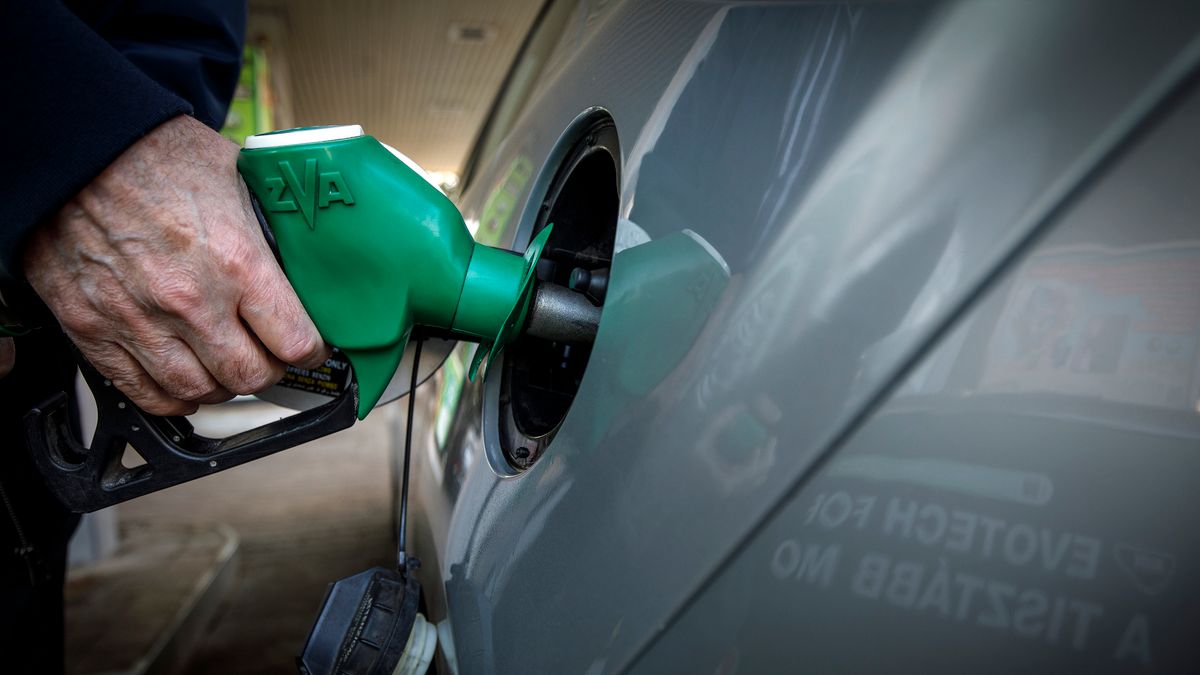
Hungary's government is contemplating a shift in its fuel pricing strategy, proposing to retain a "safety price cap" rather than fully dismantling regulated prices. This move comes in response to the volatile geopolitical landscape, which creates significant uncertainty for the energy market.
The Fidesz faction suggested that the government should maintain them as safety price caps, given the uncertain geopolitical situation.
The Fidesz parliamentary group suggested the government maintain the existing price caps as a safeguard. This proposal grants the minister responsible for the sector, István Kapitány, the authority to intervene through regulatory means, setting maximum retail fuel prices should the situation warrant it. The key question now is whether the head of the Ministry of Economic and Energy, Kapitány, deems intervention necessary at this juncture.
Or rather, that the amendment to the law includes the minister responsible for the area, István Kapitány's, power to take action. That is, that he can set the highest retail fuel prices by decree if necessary.
Should Kapitány decide to act, he must consider a crucial detail: the proposed legislation removes the stipulation that previously applied only to vehicles with Hungarian license plates. This change opens the door to potential "benzinturizmus," or fuel tourism, from neighboring regions. If Hungarian fuel prices become significantly lower than those in surrounding countries, it could lead to a substantial drain on domestic fuel reserves, a scenario the government likely wishes to avoid.
The question is whether the leader of the Ministry of Economic and Energy considers the intervention well-founded now.
DistantNews Editorial
Originally published by Magyar Nemzet in Hungarian. Translated, summarized, and contextualized by our editorial team with added local perspective. Read our editorial standards.
More Stories


From Our Blog

Countries Without a Free Press: What You Need to Know

What Press Freedom Means for the News You Read

What Gets Lost (and Found) When News Is Translated

The Critical Role of Diaspora Media in Global News

What Travellers Should Know About Countries with Restricted Press
