

Hungary's deputy state secretary sparks outrage with 'return villages to nature' comments
Translated from Hungarian, summarized and contextualized by DistantNews.
At a glance
News
Sources not specified
Context piece
- A Hungarian deputy state secretary's remarks about the future of rural villages have sparked controversy.
- Critics argue his statements question the future of villages and the lifestyle of rural residents.
- The debate centers on whether Hungary should invest in rural development or encourage urban migration.
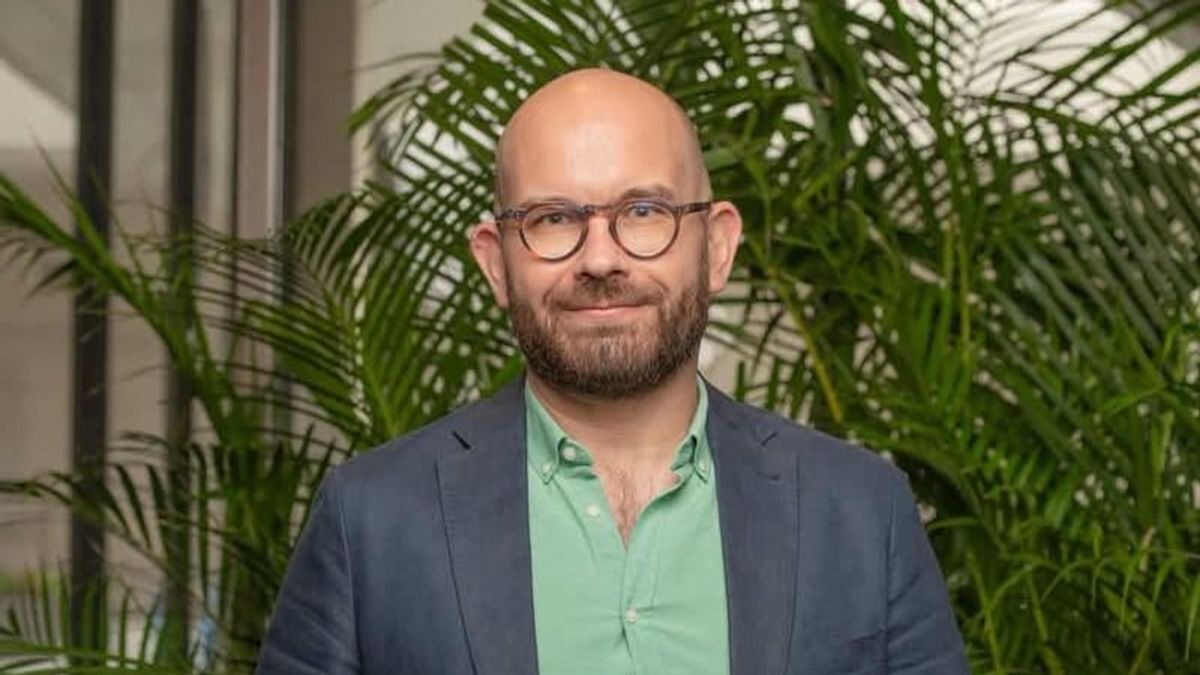
A recent statement by Hungarian Deputy State Secretary István Bart regarding the future of rural villages has ignited a fierce debate. Bart, who oversees electrification and decarbonization at the Ministry of Economic Affairs, suggested that Hungary has over-invested in rural development.
If the mayors' salaries are reduced and the scope of local governments is narrowed, fewer and fewer people will undertake the leadership of settlements.
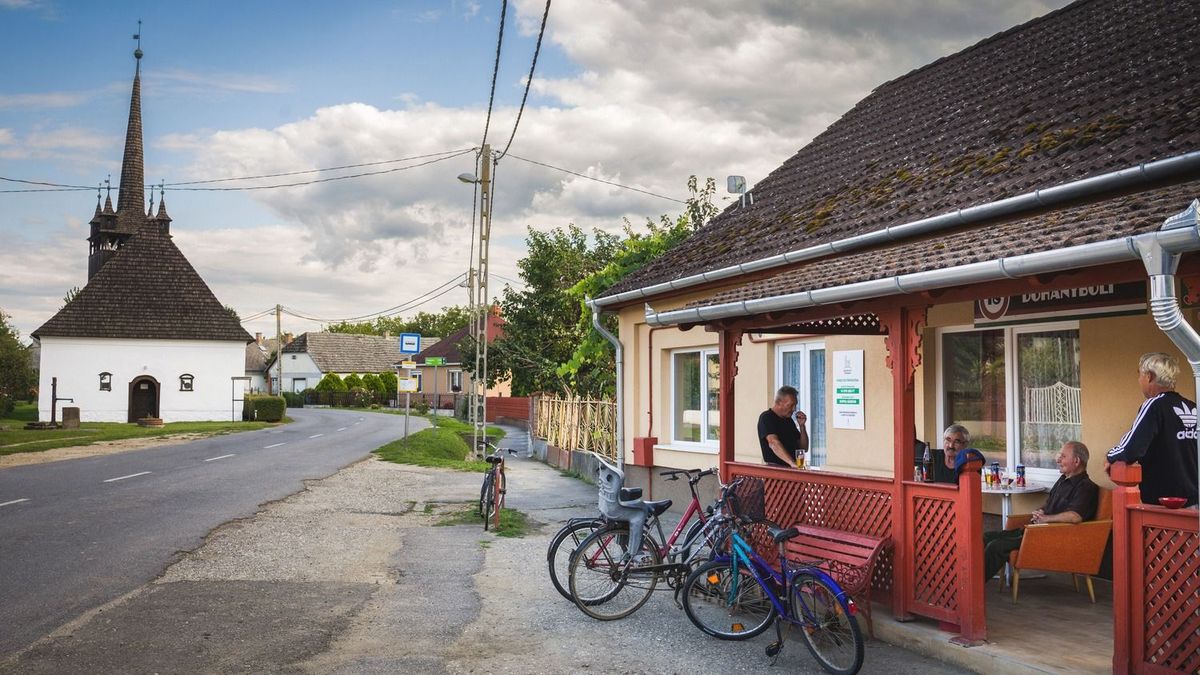
He argued that the future does not lie in population growth in the countryside. Instead, he proposed that efforts should focus on facilitating urban migration. Bart further posited that smaller villages with dwindling elderly populations could eventually be "returned to nature." This perspective, shared in an online program discussing climate change, also suggested that population decline could be a "favorable process" for Hungary, and the country should not necessarily strive to prevent a decrease in its population by all means.
If there is no longer a mayor in a settlement of two to three hundred people, it will be merged into a larger center. From then on, the personal connection that is still natural today will cease to exist. The office will no longer know people by name.
These comments have drawn sharp criticism from various quarters. Critics contend that Bart's statements fundamentally question the future of villages and the way of life for those living in rural areas. Zsolt Dudás, a mayor, expressed concern that reducing mayors' salaries and limiting local governments' autonomy would deter people from taking on leadership roles. He fears this could lead to smaller villages being administratively merged with larger towns, eroding their unique community character and independence.
The government is spending too much on village development, while the future is not about population growth in the countryside.
Dudás warned that in villages of two to three hundred people, the personal connection residents currently have with their local officials would disappear. "The office will no longer know people by name," he stated, highlighting a potential loss of local identity and self-governance.
Those smaller settlements where only a few elderly people live could be returned to nature in the long run.
DistantNews Editorial
Originally published by Magyar Nemzet in Hungarian. Translated, summarized, and contextualized by our editorial team with added local perspective. Read our editorial standards.
More Stories
From Our Blog

Countries Without a Free Press: What You Need to Know

What Press Freedom Means for the News You Read

What Gets Lost (and Found) When News Is Translated

The Critical Role of Diaspora Media in Global News

What Travellers Should Know About Countries with Restricted Press
