


Hungary Approves Public Media Overhaul, Paving Way for EU Funds
Translated from Hungarian, summarized and contextualized by DistantNews.
At a glance
News
Sources not specified
New plan
- Hungary's parliament approved a plan to reform public media, dissolving MTVA and Duna Médiaszolgáltató and establishing new entities.
- A new body, the Independent Public Media Council, will oversee these entities, with its budget set by parliament and audited by the State Audit Office.
- The reform aims to separate broadcasting and news agency functions, increasing transparency and accountability in public media operations.
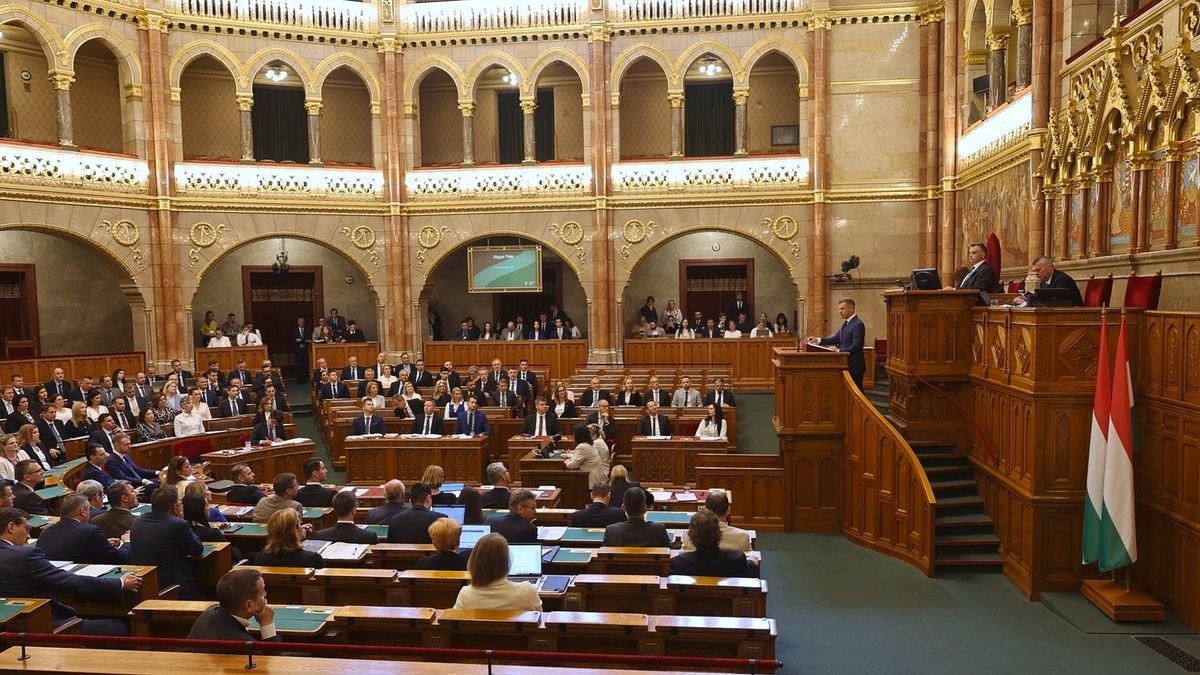
Hungary's parliament has greenlit a significant overhaul of its public media landscape, dissolving the existing MTVA and Duna Médiaszolgáltató. In their place, new organizations will emerge, overseen by a newly formed Independent Public Media Council. This council will exercise ownership rights over the transformed Magyar Rádió és Televízió Nonprofit Zrt. and MTI Nonprofit Zrt.
The council's budget will be determined by the National Assembly, and its financial management will be subject to audits by the State Audit Office. Proponents of the legislation state that it will separate broadcasting and news agency tasks, thereby enhancing the transparency and controllability of public media operations.
Earlier, Minister of State for Social Relations and Culture Zoltán Tarr appointed Judit Grósz as ministerial commissioner to coordinate public media matters. Grósz previously worked at RTL until 2024, a channel frequently highlighting the opposition's narrative against the Fidesz government. Questions have been raised about Minister Tarr's authority to appoint such a commissioner, as the media law and statute decree do not grant him responsibilities beyond legislative preparation concerning public media.
Separately, parliament also passed legislation crucial for accessing European Union funds. This bill is designed to meet specific "super milestones" tied to the EU's Recovery and Resilience Facility. The government asserts that the legislation exclusively addresses institutional and rule-of-law conditions for accessing EU funds, without touching upon ideological, worldview, or migration issues, or matters related to Ukraine's EU accession.
DistantNews Editorial
Originally published by Magyar Nemzet in Hungarian. Translated, summarized, and contextualized by our editorial team with added local perspective. Read our editorial standards.
More Stories

From Our Blog

Countries Without a Free Press: What You Need to Know

What Press Freedom Means for the News You Read

What Gets Lost (and Found) When News Is Translated

The Critical Role of Diaspora Media in Global News

What Travellers Should Know About Countries with Restricted Press
