


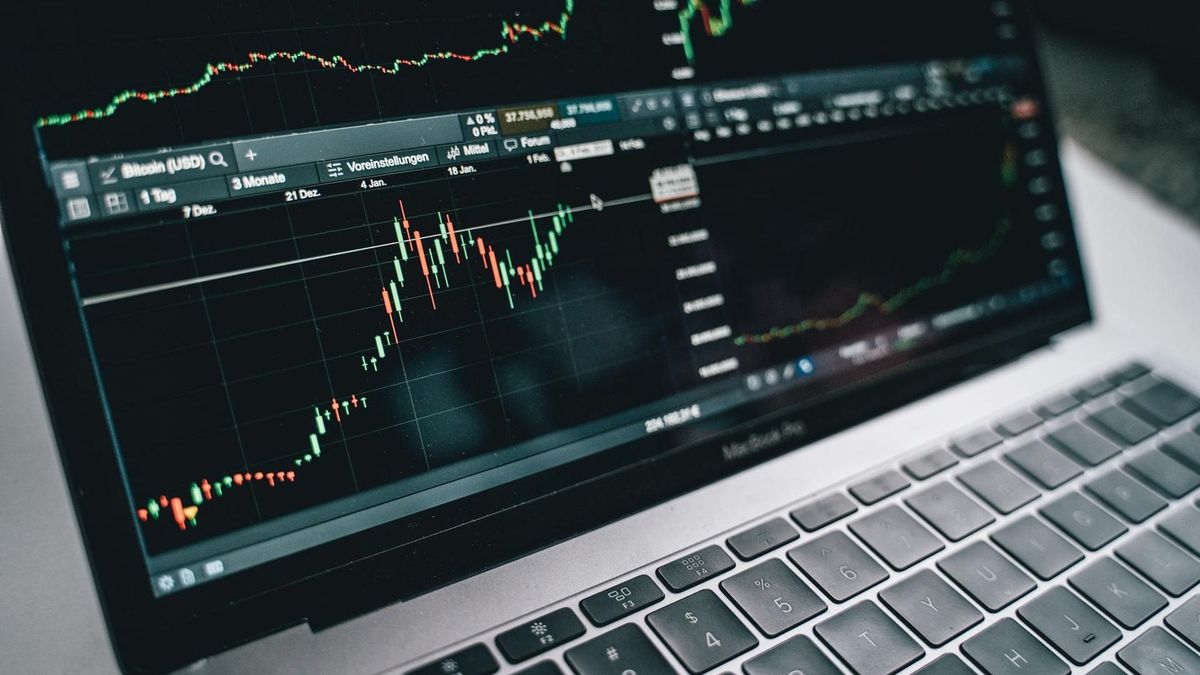
Hungary's economy finds footing early in the year, driven by consumption
Translated from Hungarian, summarized and contextualized by DistantNews.
At a glance
News
Sources not specified
Context piece
- Hungary's economy showed signs of recovery at the start of the year, driven by domestic consumption.
- Investment in fixed assets slightly decreased, with construction investment falling while machinery and equipment investment rose.
- Retail sales saw a significant increase, partly due to government transfers preceding the elections.
Hungary's economy demonstrated a notable recovery in the first quarter of the year, with domestic consumption emerging as the primary driver of growth. This upturn suggests the economy is no longer being held back by the industrial and investment slowdowns experienced over the past two years.
While gross fixed capital formation saw a marginal decrease of 0.1 percent compared to the same period last year, this was characterized by a decline in construction investments offset by an increase in machinery and equipment investments. Overall gross accumulation grew by 12.2 percent year-on-year, indicating underlying investment activity.
Retail sales in March were particularly strong, with volumes rising 10.6 percent year-on-year according to raw data. Adjusted for calendar and Easter effects, the increase was 8.2 percent. This surge is partly attributed to significant income transfers made by the outgoing Orbán government to households in the run-up to the elections, estimated to be as much as 2 percent of GDP.
Consequently, household actual consumption in the first quarter exceeded the previous year's same period by 4.9 percent. Consumption expenditure by households, the largest component of actual consumption, rose by 5.5 percent. Consumption volumes across all categories increased: durable goods by 7.6 percent, semi-durable goods by 7.9 percent, non-durable goods by 7.0 percent, and services by 4.1 percent.
DistantNews Editorial
Originally published by Magyar Nemzet in Hungarian. Translated, summarized, and contextualized by our editorial team with added local perspective. Read our editorial standards.
More Stories
From Our Blog

Countries Without a Free Press: What You Need to Know

What Press Freedom Means for the News You Read

What Gets Lost (and Found) When News Is Translated

The Critical Role of Diaspora Media in Global News

What Travellers Should Know About Countries with Restricted Press
