


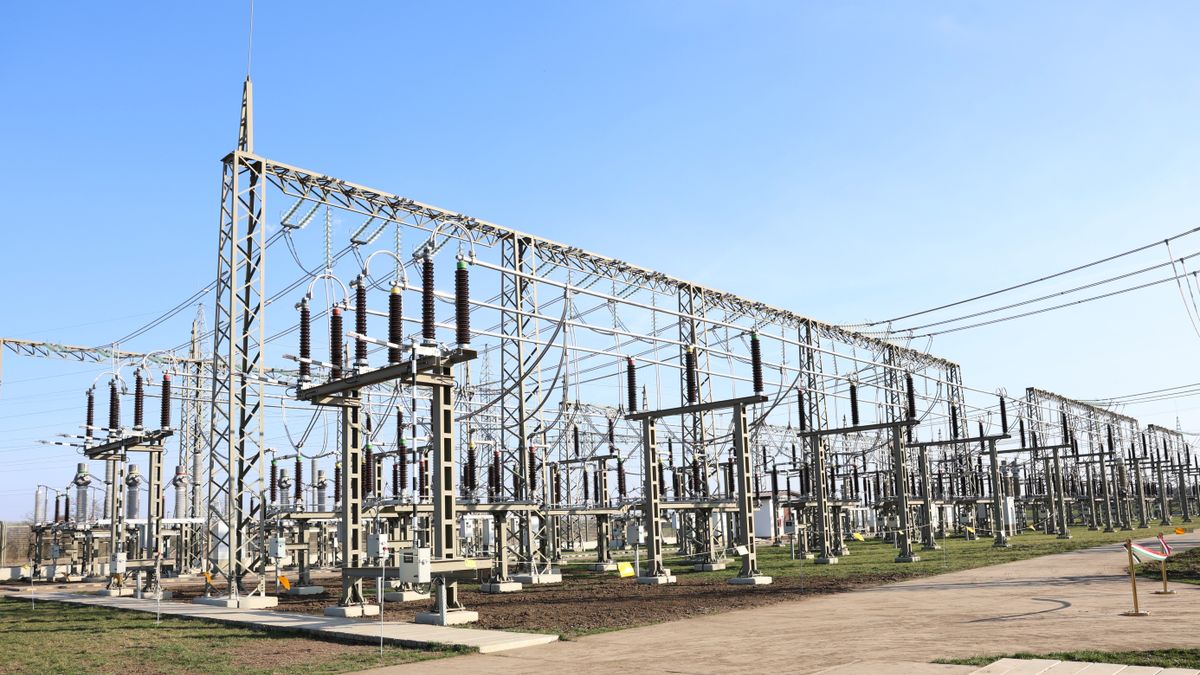
Hungary's energy storage capacity set for major expansion
Translated from Hungarian, summarized and contextualized by DistantNews.
At a glance
News
Sources not specified
Ongoing story
- Hungary is set to significantly increase its energy storage capacity by the end of the year, adding approximately 1360 MW.
- This expansion aims to balance the grid, which often exports excess solar power at low prices while importing expensive electricity during peak evening hours.
- Several government and private programs are driving the development of battery storage solutions across different consumer segments.
Hungary is poised to substantially boost its energy storage capabilities by the end of 2026, with an estimated 1360 megawatts of new capacity expected to come online. This strategic expansion is crucial for managing the country's energy grid, which faces a dual challenge: exporting surplus solar energy during sunny periods, often at very low or even negative prices, and importing significant amounts of expensive electricity during peak demand in the evenings.
The increase in solar power generation has led to a situation where Hungary often becomes an electricity exporter in the summer, during sunny periods, as the generated energy cannot be fully utilized domestically.
This situation arises from Hungary's growing solar power generation, which has reached 8.4 gigawatts of installed capacity. While beneficial, the intermittent nature of solar power creates a mismatch between production and consumption. Péter Kaderják, executive director of the Hungarian Battery Association, described the upcoming storage capacity as a significant step forward, though he cautioned it primarily addresses the immediate issues rather than offering a complete solution.
Often, this quantity can only be sold at extremely low, sometimes negative prices. In contrast, during the evening peak period, the country relies on very significant, 2–4 GW, high-priced imports.
To bridge this gap, Hungary is implementing multiple storage support programs. The Metároló program aims to introduce around 500 MW/1000 MWh of capacity by spring 2026. The program for energy-intensive consumers targets at least 600 MW/1200 MWh. Additionally, the Napenergia Plusz program has facilitated about 60 MW/120 MWh in the residential sector, with the new Home Energy Storage Program expected to add another 200 MW/400 MWh of decentralized capacity. Kaderják stressed that further substantial investments in storage are necessary for a comprehensive solution to manage the fluctuations between energy production and consumption.
The numbers clearly show that this storage capacity is primarily suitable for mitigating problems for now and does not provide a complete solution: further significant storage development will be needed to manage the time differences between production and consumption.
DistantNews Editorial
Originally published by Magyar Nemzet in Hungarian. Translated, summarized, and contextualized by our editorial team with added local perspective. Read our editorial standards.
More Stories



From Our Blog

Countries Without a Free Press: What You Need to Know

What Press Freedom Means for the News You Read

What Gets Lost (and Found) When News Is Translated

The Critical Role of Diaspora Media in Global News

What Travellers Should Know About Countries with Restricted Press
