

Hungary's Euro 2030 Goal May Require Trillions in Austerity Cuts
Translated from Hungarian, summarized and contextualized by DistantNews.
TLDR
- Hungary's potential new Prime Minister Péter Magyar plans to join the Eurozone by 2030, a goal that requires significant austerity measures.
- Experts suggest that adopting the euro necessitates fulfilling strict economic criteria, including a debt-to-GDP ratio below 60% and a budget deficit below 3% of GDP.
- Hungary's current budget deficit exceeds the Maastricht criteria, and achieving the necessary fiscal consolidation without hindering economic growth presents a major challenge.
The recent announcement by Péter Magyar, the leader of the Tisza Party, regarding Hungary's ambition to adopt the euro by 2030 has sparked considerable debate. While the prospect of joining the Eurozone is presented as a move towards economic stability and predictability, a crucial aspect has been conspicuously absent from the public discourse: the stringent austerity measures required to meet the convergence criteria. Magyar's stated goal, while potentially appealing, overlooks the painful economic adjustments that will be necessary.
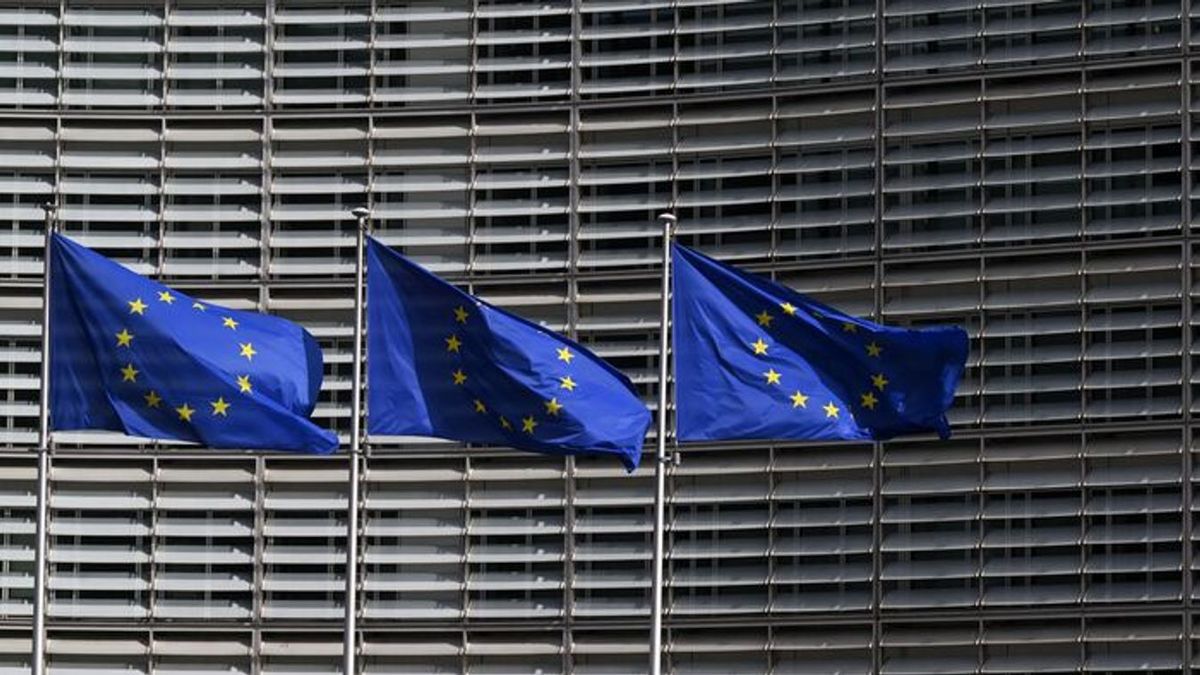
Hungary aims to meet the conditions for joining the Eurozone in the coming years.
Hungary's current economic standing presents significant hurdles. The budget deficit remains above the 3% Maastricht threshold, and achieving the required debt-to-GDP ratio of below 60% will demand substantial fiscal tightening. This is particularly challenging in a low-growth environment, where aggressive spending cuts could further stifle economic expansion. The path to euro adoption is not merely a matter of political will but requires a rigorous commitment to fiscal discipline that could prove deeply unpopular with the electorate.
The introduction of the euro is an economic rationality: the Hungarian economy is closely linked to the Eurozone, and adopting the euro would mean stability and predictability for companies and people, unlike the unpredictable forint.
From a Hungarian perspective, the discussion around the euro often centers on the perceived benefits of stability and integration with the European economy. However, the stark reality of the necessary sacrifices is frequently downplayed. The Világgazdaság's analysis highlights this critical omission, suggesting that a frank discussion about the potential for "austerity measures" amounting to trillions of forints is essential. Without this transparency, the public cannot make an informed judgment about the true cost of this ambitious goal. The challenge for any government pursuing this path will be to balance the long-term economic advantages with the short-term pain of necessary fiscal adjustments.
However, it was not mentioned in the campaign – and neither Péter Magyar nor Kármán András spoke about it – that joining the Eurozone cannot be achieved without harsh austerity measures.
DistantNews Editorial
Originally published by Magyar Nemzet in Hungarian. Translated, summarized, and contextualized by our editorial team with added local perspective. Read our editorial standards.
More Stories


From Our Blog

Countries Without a Free Press: What You Need to Know

What Press Freedom Means for the News You Read

What Gets Lost (and Found) When News Is Translated

The Critical Role of Diaspora Media in Global News

What Travellers Should Know About Countries with Restricted Press
