

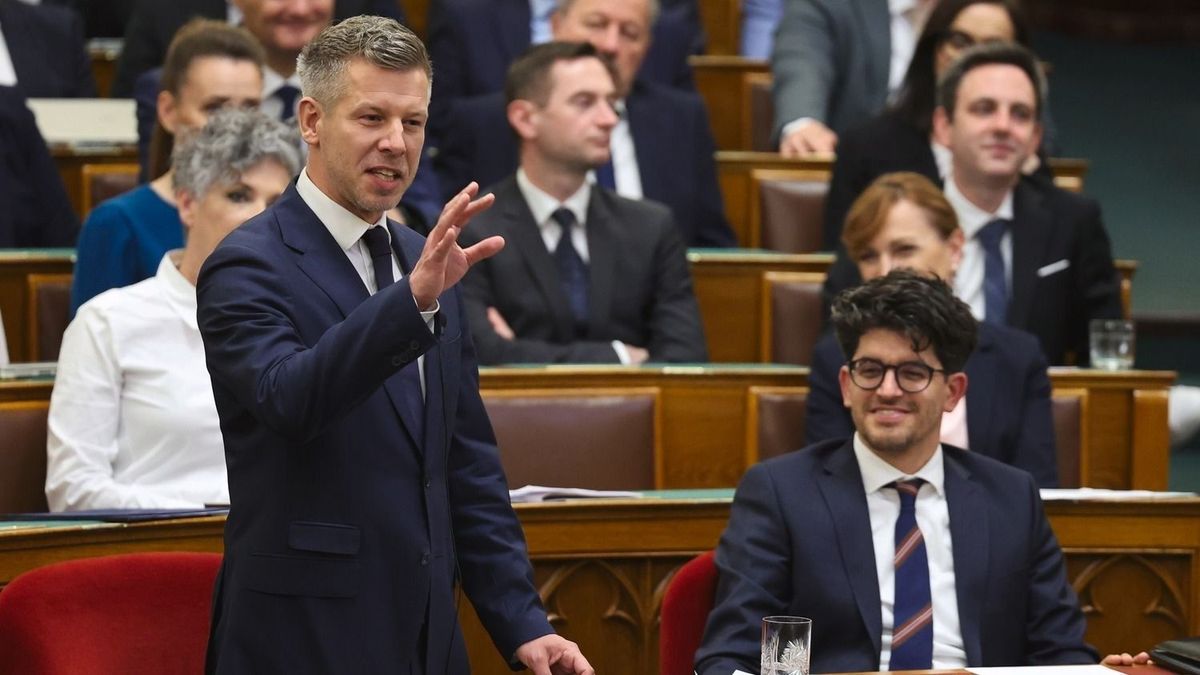
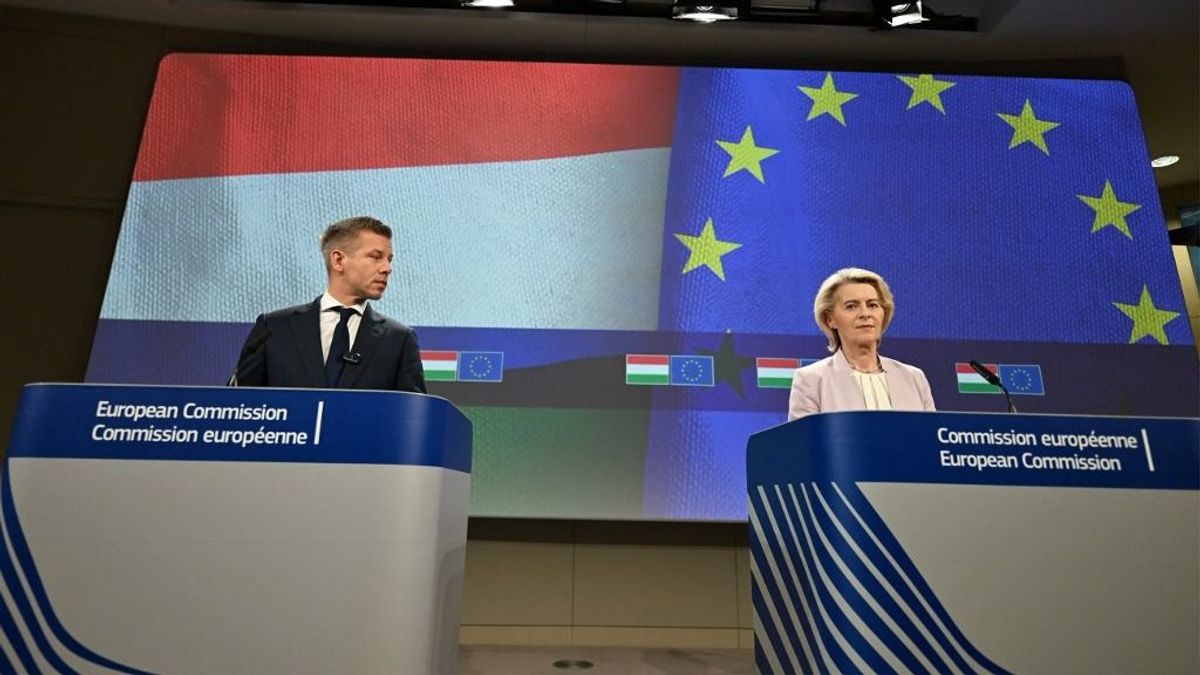
Hungary's Péter Magyar: A Blank Check?
Translated from Hungarian, summarized and contextualized by DistantNews.
At a glance
Opinion
Sources not specified
Context piece
- The article discusses the geopolitical interests aligning Brussels, Kyiv, and Hungarian politician Péter Magyar.
- It suggests Ukraine seeks EU membership for financial and geopolitical reasons, especially as Western support wavers and Russia's leadership may change.
- The author questions the long-term feasibility and cost of Ukraine's potential EU accession for member states like France.
A confluence of geopolitical interests is driving closer ties between Brussels, Kyiv, and Hungarian politician Péter Magyar, according to this opinion piece. The European Union, for geopolitical reasons, is pushing to bring Ukraine, situated between EU borders and Russia, closer into its fold. The article questions the potential cost of this integration and who will ultimately bear the financial burden.
Ukrainian President Volodymyr Zelenskyy has a vested interest in showcasing significant foreign policy achievements. Facing difficulties in reclaiming territories lost to Russia, even with Western aid, and with the United States scaling back its support, Ukraine is increasingly looking to Europe. The piece suggests that Kyiv is aware of the need to act decisively while public sympathy for Ukraine as a war victim remains high.
The author posits that Europe's relationship with Moscow may improve in the coming years, potentially diminishing Ukraine's standing in the eyes of the European public. The article expresses surprise at the level of support for Ukraine's EU accession in France, a country historically hesitant about EU expansion. However, it predicts this support could wane once the war concludes and the focus shifts to the substantial costs of rebuilding and integrating a country the size of Ukraine into the EU.
The piece speculates that Ukraine's post-war reconstruction could cost hundreds of billions of euros. It notes that Ukraine was already a relatively poor country before the conflict, raising concerns among major EU contributors like France, Germany, and the Netherlands about the financial implications of admitting such a large nation.
DistantNews Editorial
Originally published by Magyar Nemzet in Hungarian. Translated, summarized, and contextualized by our editorial team with added local perspective. Read our editorial standards.
More Stories
From Our Blog

Countries Without a Free Press: What You Need to Know

What Press Freedom Means for the News You Read

What Gets Lost (and Found) When News Is Translated

The Critical Role of Diaspora Media in Global News

What Travellers Should Know About Countries with Restricted Press
