

Hungary's Power Supply at Risk Amid Summer Heatwaves; Bills Expected to Surprise
Translated from Hungarian, summarized and contextualized by DistantNews.
At a glance
News
Sources not specified
Context piece
- Hungary faces a potential threat to its power supply due to summer heatwaves, compounded by reduced capacity at riverside power plants.
- High demand for air conditioning during the heatwaves is straining the energy grid.
- Residents may face surprising electricity bills due to the increased strain.
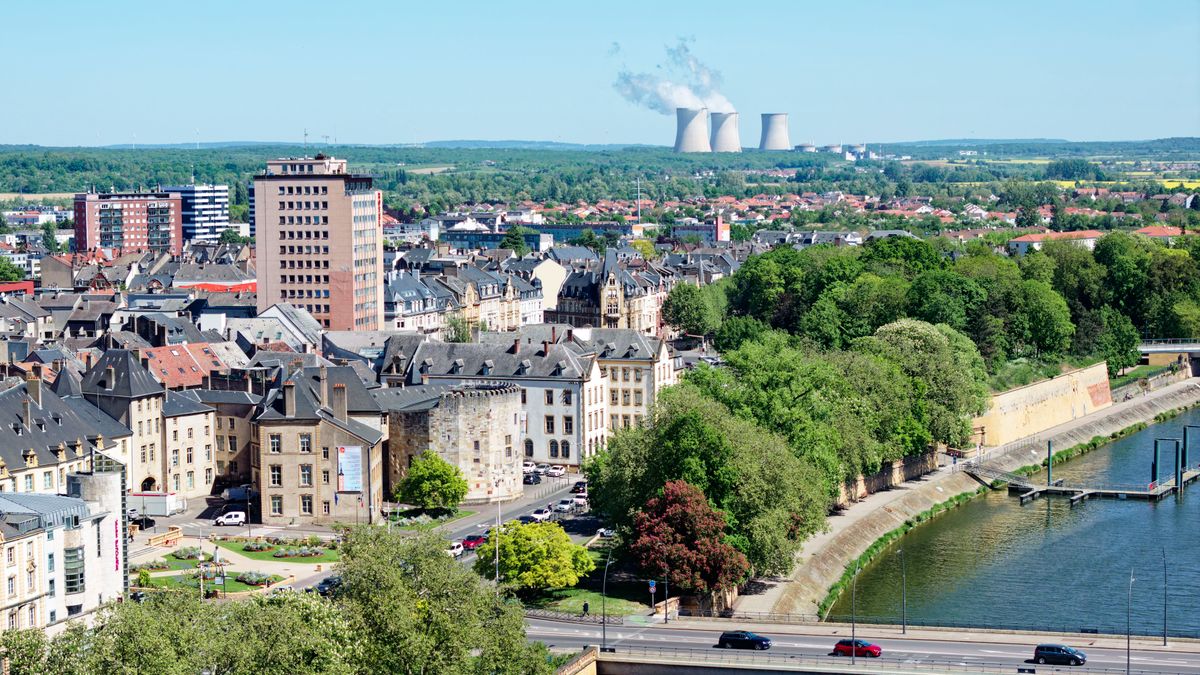
Hungary's electricity supply is under threat as the country braces for summer heatwaves, a situation exacerbated by the forced capacity reduction at riverside power plants. These plants, crucial for energy generation, are operating below their optimal levels, raising concerns about the nation's ability to meet peak demand.
The timing of this reduced capacity is particularly challenging, coinciding with the period when residential air conditioning usage surges. As temperatures rise, households rely heavily on cooling systems, placing immense pressure on the national power grid. This increased demand, coupled with lower generation capacity, creates a precarious energy situation.
Compounding these concerns are predictions of surprisingly high electricity bills for consumers. The strain on the grid, potential reliance on more expensive energy sources, and the sheer volume of electricity consumed during heatwaves are likely to translate into significant cost increases for Hungarian households. The confluence of reduced supply and increased demand paints a worrying picture for the country's energy security and affordability this summer.
The forced capacity reduction of riverside power plants is happening at the worst possible time: residential air conditioners are running at maximum speed.
DistantNews Editorial
Originally published by Magyar Nemzet in Hungarian. Translated, summarized, and contextualized by our editorial team with added local perspective. Read our editorial standards.
More Stories

From Our Blog

Countries Without a Free Press: What You Need to Know

What Press Freedom Means for the News You Read

What Gets Lost (and Found) When News Is Translated

The Critical Role of Diaspora Media in Global News

What Travellers Should Know About Countries with Restricted Press
