

Hungary Should Avoid Uniform Approach to Disadvantaged Students, Official Says
Translated from Hungarian, summarized and contextualized by DistantNews.
At a glance
News
Sources not specified
Context piece
- A Hungarian official argued against a uniform national approach to supporting disadvantaged students in schools.
- She highlighted significant regional disparities in the concentration of students from disadvantaged backgrounds.
- The official called for a thorough examination of these differences to tailor support effectively.
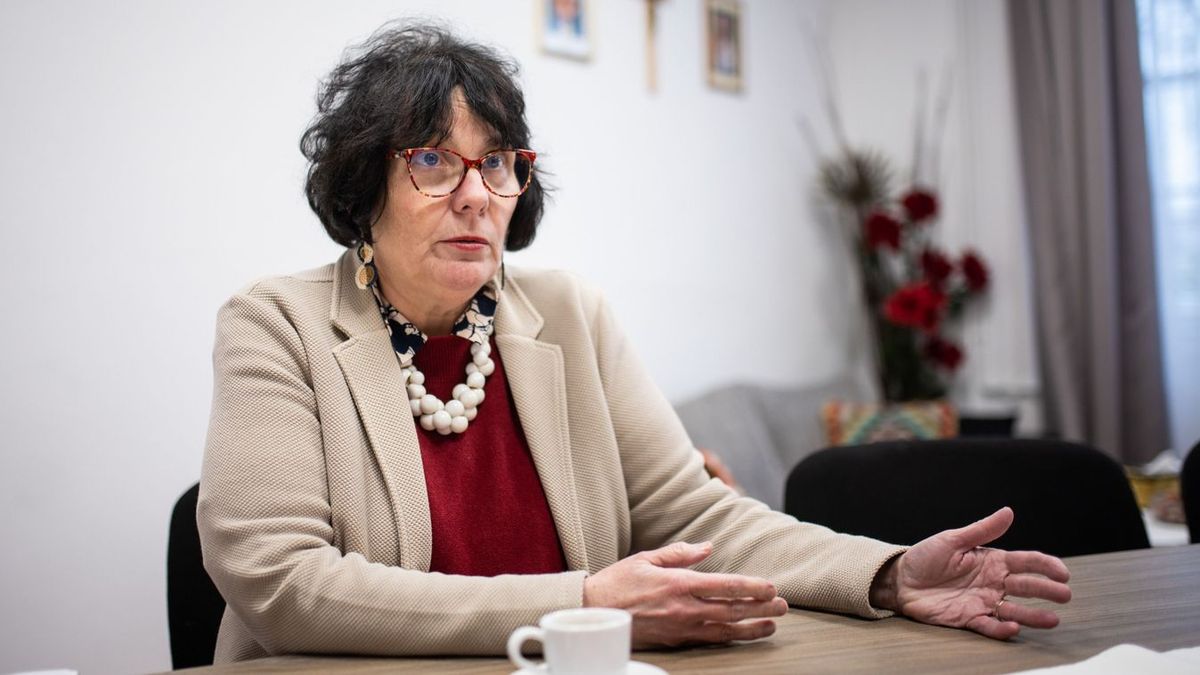
Hungary should avoid a one-size-fits-all national policy for supporting students from disadvantaged backgrounds, according to Rita Rubovszky.
it is not possible to apply a national mowing-down principle.
Rubovszky emphasized that while it might be acceptable for institutions in disadvantaged areas to receive more support staff, such as developmental or special education teachers, a nationwide "mowing down" approach is inappropriate. She pointed to stark regional differences in the proportion of students facing disadvantages.
For example, in several villages like Rakacaszend, Selyeb, Hernádkak, Köröm, Hangony, and Fülöp, the percentage of students from heavily disadvantaged backgrounds ranges from 80 to 100 percent. Significant disparities are also evident between regions. In the Southern Great Plain region, the proportion of disadvantaged students in public education is 10 percent, compared to 8 percent in Catholic schools. In the Southern Transdanubia region, this figure rises to 17 percent.
the proportion of students from heavily disadvantaged backgrounds reaches 80–100 percent.
Given these variations, Rubovszky stated that the issue requires a thorough investigation to ensure that educational support is tailored to the specific needs of different communities and regions across Hungary.
the question requires thorough investigation.
DistantNews Editorial
Originally published by Magyar Nemzet in Hungarian. Translated, summarized, and contextualized by our editorial team with added local perspective. Read our editorial standards.
More Stories


From Our Blog

Countries Without a Free Press: What You Need to Know

What Press Freedom Means for the News You Read

What Gets Lost (and Found) When News Is Translated

The Critical Role of Diaspora Media in Global News

What Travellers Should Know About Countries with Restricted Press
