


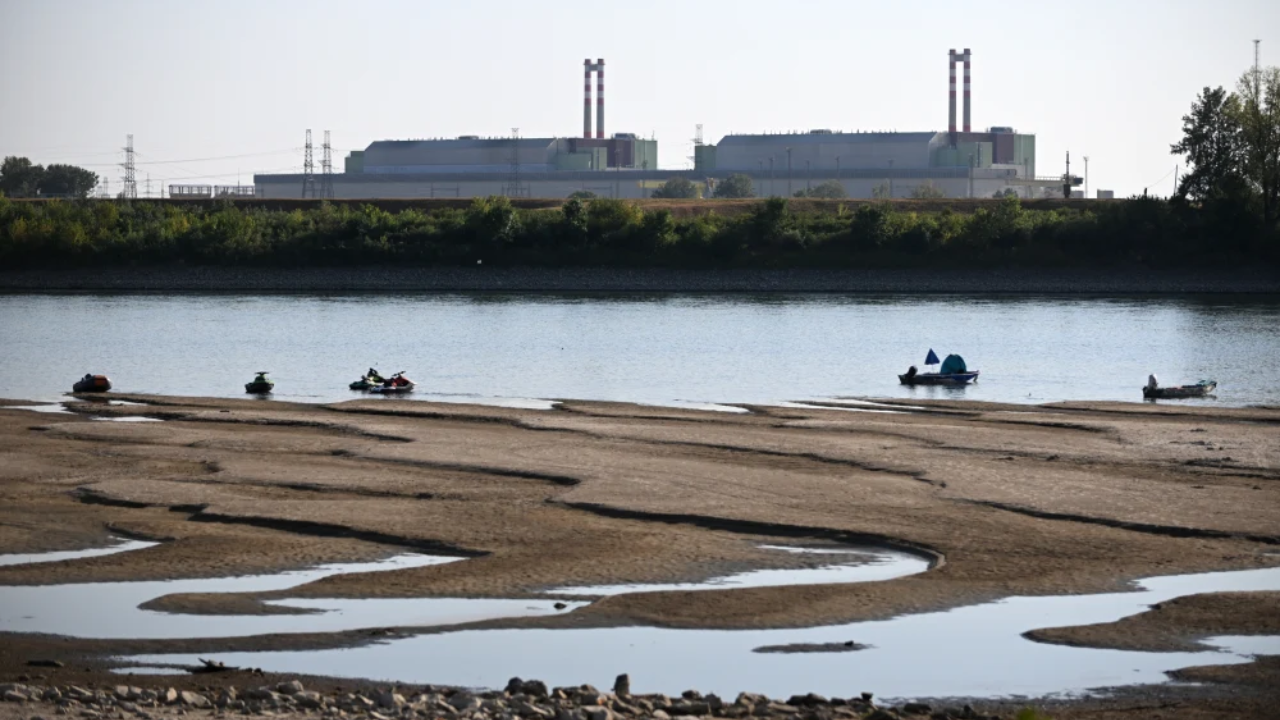
Hungary shut its only nuclear plant for the first time in 44 years
Summarized and contextualized by DistantNews.
At a glance
News
Named sources
Outcome reported
- Hungary has shut down its sole nuclear power plant, Paks, due to record-low water levels in the Danube River.
- The plant requires sufficient water from the Danube to cool its reactors, and current levels prevent this operation.
- The shutdown, occurring during a severe heatwave, raises concerns about a major electricity shortage and increased reliance on costly imports.
Hungary's only nuclear power plant, Paks, has shut down completely for the first time in 44 years due to critically low water levels in the Danube River. The plant, which produces nearly half of Hungary's electricity, requires substantial water intake from the Danube to cool its four reactors. With the river at record-low levels, the pumps can no longer draw enough water, forcing the shutdown.
The timing of the closure is particularly concerning as Hungary is experiencing an intense summer heatwave, with temperatures expected to reach 40°C (104°F). This situation leaves the country facing a significant electricity shortage. Prime Minister Peter Magyar stated that the Soviet-built, 2-gigawatt facility had already reduced its output to about 10% of normal capacity before the complete shutdown. Water levels at Paks are projected to fall to negative 144 centimeters, surpassing the previous record low set in 2018.
Magyar warned that the coming days are critical, with the plant offline during the hottest period. While he assured that the shutdown poses no safety risks, he cautioned that the national power grid and public services would be under immense pressure. The plant could remain offline for several weeks, as no significant rainfall is forecast for the Danube basin. This reliance on electricity imports from neighboring countries is expected to be costly, potentially costing the Hungarian economy between 100 billion and 200 billion forints ($315 million to $630 million).
In response to the looming energy crisis, the government has urged households, businesses, and public institutions to conserve electricity, especially during peak evening hours. Large industrial users, such as energy company MOL, have already agreed to reduce consumption. The government is also considering mandatory electricity limits for major industrial companies and has canceled parliamentary sessions and switched off decorative lighting on public buildings to save energy.
We are facing the most critical five days ahead. Tomorrow, the Paks power plant will not be generating, while the hottest, 40-degree (Celsius, 104 Fahrenheit) days are ahead.
DistantNews Editorial
Originally published by Times of India. Summarized and contextualized by our editorial team with added local perspective. Read our editorial standards.
More Stories


From Our Blog

What Press Freedom Means for the News You Read

What Gets Lost (and Found) When News Is Translated

The Critical Role of Diaspora Media in Global News

What Travellers Should Know About Countries with Restricted Press

A Digital Nomad's Guide to Following Local News
