

Hungary to Host First-Ever Quadrilateral Summit in Gödöllő, Excluding Poland
Translated from Hungarian, summarized and contextualized by DistantNews.
At a glance
News
Named sources
New plan
- Hungary is preparing to host a quadrilateral summit in Gödöllő, marking the first time it will host such a meeting.
- The summit aims to foster Central European cooperation, excluding Poland.
- Discussions will involve leaders from Hungary, Austria, the Czech Republic, Slovakia, and Slovenia.
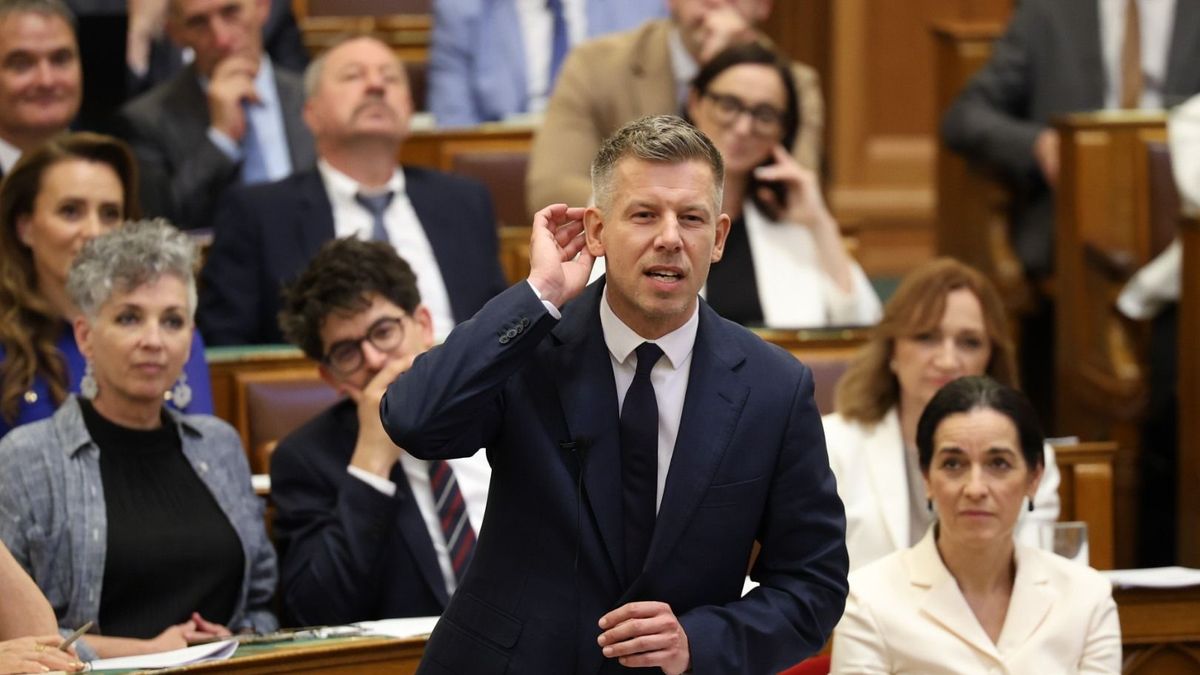
Hungary is set to host a significant Central European summit in Gödöllő, a meeting that will bring together leaders from five nations. This gathering marks the first time Hungary will host a quadrilateral summit, signaling a push for enhanced regional cooperation.
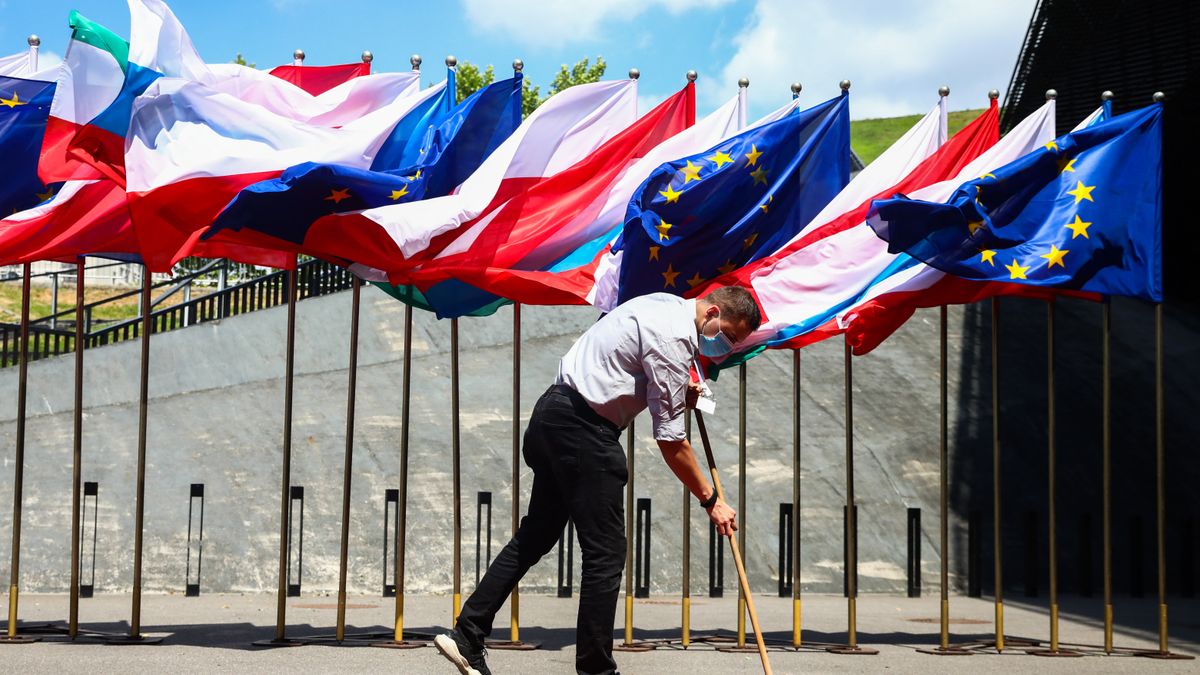
The initiative appears to focus on a specific bloc within Central Europe, notably excluding Poland from the planned discussions. The participating countries are Hungary, Austria, the Czech Republic, Slovakia, and Slovenia. This alignment suggests a strategic effort to shape regional dynamics among these specific states.
Recent diplomatic exchanges highlight the complex political landscape. While Hungarian Prime Minister Viktor Orbán and Polish Prime Minister Donald Tusk are part of the European People's Party mainstream, Czech Prime Minister Andrej Babiš is a political ally of Orbán within the patriotic bloc. In Slovakia, Robert Fico's government pursues a sovereignist agenda, which has led to recent brief exchanges with Orbán at an EU summit.
The diplomatic relationship between Hungary and Slovakia is further complicated by statements from Slovak President Peter Pellegrini and Foreign Minister Juraj Blanár, who have both criticized Magyar Péter's remarks regarding the Treaty of Trianon. A commentator from Felvidék (Upper Hungary) suggests that Fico is not an ally for Magyar Péter's vision of a Brussels-friendly Central Europe, but rather an obstacle. The commentator posits that Magyar's stance against the Beneš decrees is driven by this, rather than a desire to protect the Hungarian minority in Slovakia. Provocative statements are seen as a tactic to undermine EU member states from within.
DistantNews Editorial
Originally published by Magyar Nemzet in Hungarian. Translated, summarized, and contextualized by our editorial team with added local perspective. Read our editorial standards.
More Stories
From Our Blog

Countries Without a Free Press: What You Need to Know

What Press Freedom Means for the News You Read

What Gets Lost (and Found) When News Is Translated

The Critical Role of Diaspora Media in Global News

What Travellers Should Know About Countries with Restricted Press
