


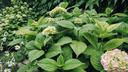
Hydrangeas Turning Green? Experts Explain Why and How to Restore Their Color
Translated from Croatian, summarized and contextualized by DistantNews.
At a glance
News
Sources not specified
Context piece
- Hydrangeas can turn green as their flowers mature, a natural process due to chlorophyll becoming more prominent.
- This color change is usually not a cause for concern unless it happens prematurely, which might indicate plant stress or nutrient deficiency.
- Proper watering and care, including providing afternoon shade for some varieties, can help hydrangeas maintain their vibrant colors longer.
The vibrant colors of hydrangeas, often admired in gardens, can sometimes shift to a uniform green, leading to concerns among plant owners. However, experts explain that this change is frequently a natural part of the flower's life cycle.
Rachel Kemery, founder of Rising Iris Farm, clarifies that the showy parts of hydrangeas are actually bracts, modified leaves containing chlorophyll. As the flower matures, the pigments responsible for pink, blue, or white hues fade, allowing the chlorophyll to become more visible, resulting in a green color. This is an expected development as the blooming season nears its end.
Certain hydrangea varieties also naturally exhibit greenish or greenish-white blooms, such as those in the Limelight group, or start with green flowers that later turn white, like the Annabelle cultivar. These colorations are inherent characteristics of the specific plant type.
When the flower first opens, pink, blue, or white pigments dominate. As it matures, the chlorophyll in the bracts becomes more pronounced, and the flower gradually turns green.
However, if a hydrangea turns green significantly before the end of its flowering period, it could signal distress. Gardener Emily Scott points out that pests like aphids or diseases can weaken the plant, causing its flowers to lose color intensity prematurely. She advises regular inspection of leaves and flowers for any signs of trouble and prompt treatment.
Contrary to popular belief, soil pH does not cause hydrangeas to turn green. While pH levels influence whether bigleaf hydrangeas bloom blue or pink, they do not affect the greening process. Similarly, sun exposure and high temperatures will cause wilting, not a color change. To help hydrangeas retain their vivid colors, consistent and ample watering is crucial, as they struggle with prolonged drought. A layer of mulch can also help retain moisture around the plant.
Aphids, mites, leafhoppers, and certain fungal diseases can weaken the plant, causing the flowers to lose color intensity and turn greenish prematurely.
DistantNews Editorial
Originally published by Večernji List in Croatian. Translated, summarized, and contextualized by our editorial team with added local perspective. Read our editorial standards.
More Stories



From Our Blog

What Gets Lost (and Found) When News Is Translated

The Critical Role of Diaspora Media in Global News

What Travellers Should Know About Countries with Restricted Press

A Digital Nomad's Guide to Following Local News

How the Same Story Looks Different in Different Countries
