

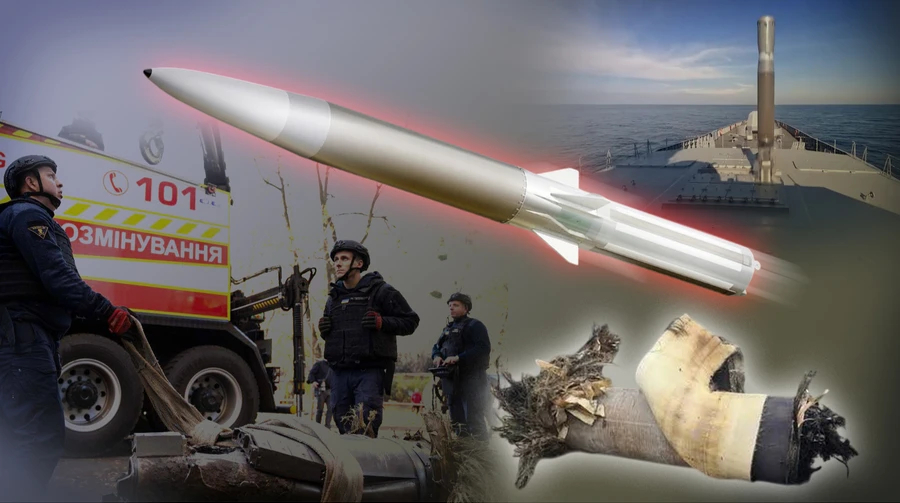
Hypersonic or quasi-ballistic? Inside Russia's Zircon missiles terrorising Kyiv
Summarized and contextualized by DistantNews.
At a glance
News
Sources not specified
Context piece
- Ukraine faces a severe shortage of air defense systems capable of intercepting ballistic and hypersonic missiles, including Russia's Zircon.
- Russia is exploiting this vulnerability by launching dozens of ballistic, S-400, Kinzhal, and Zircon missiles weekly.
- Ukraine's limited Patriot and SAMP/T systems are its only defense against these advanced threats, with questions arising about the Zircon's capabilities despite its increased deployment.
Ukraine is struggling with a critical lack of air defense systems that can counter advanced threats like Russia's Zircon hypersonic missiles. While most air defense systems can handle cruise missiles and drones, ballistic and hypersonic weapons pose a significantly greater challenge.
Currently, only a handful of Ukraine's Patriot and SAMP/T systems possess the capability to intercept these high-speed projectiles. This limited defense capacity is a vulnerability Russia is actively exploiting. Russian forces are reportedly launching dozens of Iskander ballistic missiles, S-400 missiles, and the hypersonic Kinzhal and Zircon missiles on a weekly basis.
Russia has intensified its deployment of Zircon missiles this year, with approximately 40 launched since early 2026. However, despite their increased use, questions persist regarding the Zircon's actual capabilities and effectiveness. An analysis by OSINT analyst Fabian Hinz, in collaboration with Ukrainian military personnel and experts like Pavel Luzin, seeks to shed light on the missile's origins and the threat it represents.
DistantNews Editorial
Originally published by Ukrainska Pravda. Summarized and contextualized by our editorial team with added local perspective. Read our editorial standards.
More Stories
From Our Blog

What Gets Lost (and Found) When News Is Translated

The Critical Role of Diaspora Media in Global News

What Travellers Should Know About Countries with Restricted Press

A Digital Nomad's Guide to Following Local News

How the Same Story Looks Different in Different Countries
