


Hypertension patients beware in hot weather: Expert issues vital warnings
Translated from Turkish, summarized and contextualized by DistantNews.
At a glance
News
Sources not specified
Context piece
- Extreme summer heat poses significant health risks for individuals with chronic conditions, particularly hypertension, according to Dr. Selim Özgül.
- High temperatures cause blood vessels to widen and lead to fluid and mineral loss through sweating, destabilizing blood pressure.
- Dr. Özgül warns against self-adjusting medication dosages and advises patients to monitor their blood pressure regularly and consult doctors for any unusual changes.
Dr. Selim Özgül, an Internal Medicine Specialist, has issued critical warnings regarding the health risks posed by extreme summer heat, especially for individuals managing chronic conditions like hypertension. He explained that high temperatures cause the body to widen blood vessels in an effort to cool down. This, combined with fluid and mineral loss from sweating, can significantly destabilize blood pressure levels.
Dr. Özgül highlighted that older adults and individuals with heart or kidney conditions are particularly vulnerable to these heat-induced physiological changes. He noted that a sudden drop in blood pressure can lead to symptoms such as dizziness, fatigue, fainting, and loss of balance, underscoring the need for vigilance.
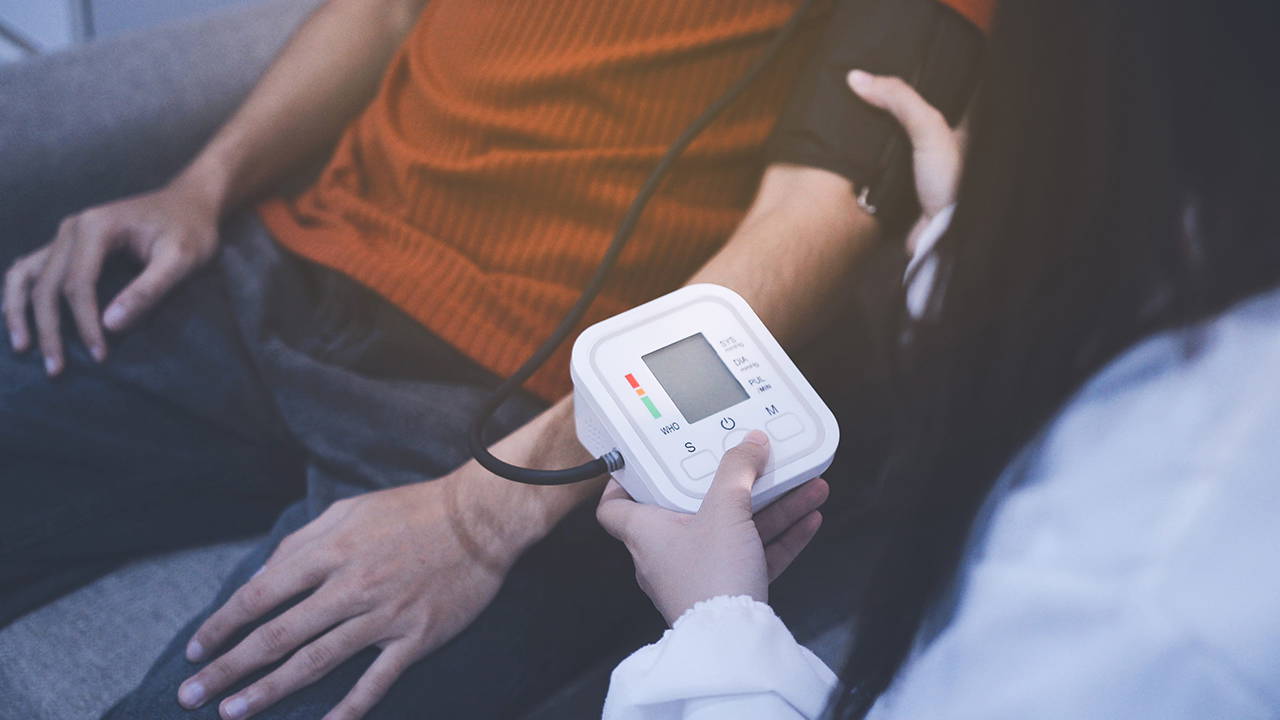
A common and dangerous mistake, according to Dr. Özgül, is for patients to alter their medication dosages based on fluctuating blood pressure readings during the summer. He stressed that "The dosage of blood pressure medications should only be changed by a doctor if necessary." Patients are urged to measure their blood pressure regularly, record the readings, and seek medical advice for any abnormal changes. Tampering with medication can lead to uncontrolled hypertension and severe health complications.
To mitigate these risks, Dr. Özgül recommended several simple precautions. These include maintaining regular water intake without waiting to feel thirsty, avoiding prolonged exposure to the sun during the hottest hours, wearing light-colored and loose-fitting clothing, and scheduling strenuous physical activities for the cooler parts of the day. He also advised against consuming excessively salty or processed foods, favoring lighter, balanced meals instead. Dr. Özgül concluded by emphasizing the importance of seeking immediate medical attention for severe symptoms like intense dizziness, fainting, chest pain, shortness of breath, palpitations, or confusion.
DistantNews Editorial
Originally published by Cumhuriyet in Turkish. Translated, summarized, and contextualized by our editorial team with added local perspective. Read our editorial standards.
More Stories



From Our Blog

What Gets Lost (and Found) When News Is Translated

The Critical Role of Diaspora Media in Global News

What Travellers Should Know About Countries with Restricted Press

A Digital Nomad's Guide to Following Local News

How the Same Story Looks Different in Different Countries
