


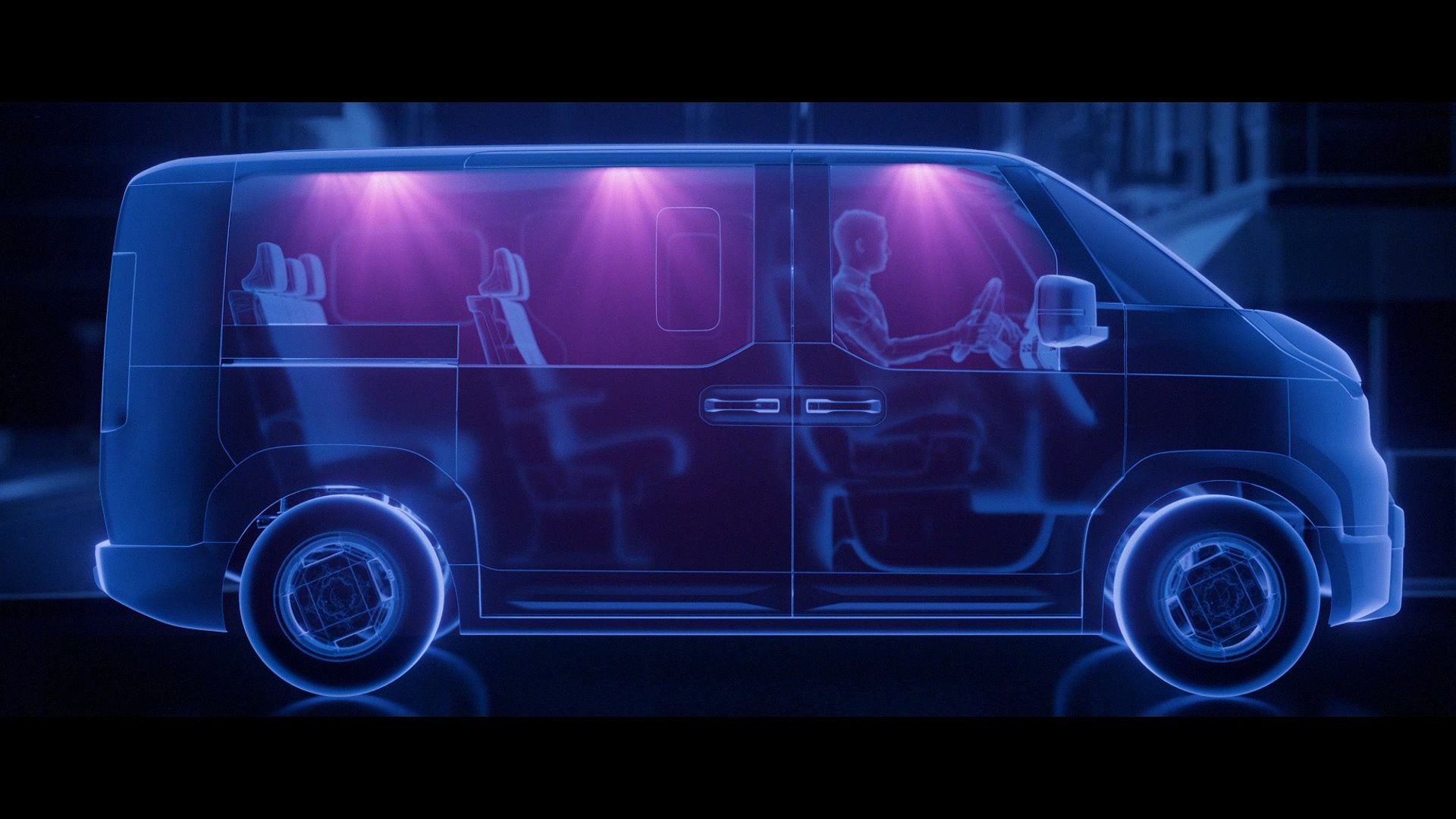
Hyundai, Kia Unveil Far-UVC System to Sanitize Car Interiors and Eliminate Odors
Translated from Spanish, summarized and contextualized by DistantNews.
At a glance
News
Sources not specified
Context piece
- Hyundai and Kia have developed a new technology called Plasma Care UVC, which uses far-ultraviolet (Far-UVC) light to sanitize vehicle interiors and reduce odors.
- The system is designed to be safe for passengers, with the specific UVC wavelength limited to the skin's outer keratin layer and capable of destroying bacteria and viruses by damaging their DNA.
- This technology aims to improve hygiene in vehicles, particularly for shared mobility and passenger transport, and has demonstrated significant virus and bacteria reduction in tests.
Hyundai and Kia are introducing a novel air purification system, Plasma Care UVC, designed to sanitize vehicle cabins and eliminate odors, even while passengers are present. This groundbreaking technology utilizes far-ultraviolet (Far-UVC) light, a specific wavelength chosen for its sanitizing effects with minimal human penetration.
it is the first technology of its kind developed for use in an open vehicle cabin.
The system works by targeting bacteria and viruses, damaging their DNA to neutralize them. Beyond simply killing microorganisms, it also breaks down odor-causing substances that proliferate with them. Hyundai and Kia envision this as a crucial hygiene solution for future mobility, especially for ride-sharing and passenger transport services.
the Far-UVC light is limited to the outer keratin layer of the skin and does not reach deeper layers.
Developing this technology for the confined space of a car presented unique challenges, including proximity to electronic components and passengers. The companies engineered a plasma-based light source capable of producing the precise Far-UVC wavelengths (200-230 nanometers), a feat difficult with conventional LED technology. They also focused on miniaturization, energy efficiency, and durability to withstand automotive conditions.
bacteria and viruses do not have that protective barrier, so the radiation can penetrate and destroy their DNA.
Rigorous testing, including collaboration with certified bodies and research institutions, validated the system's efficacy. Tests in a controlled chamber simulating a car cabin showed a 96.8% reduction in airborne viruses within 30 minutes. Further studies demonstrated a 99.9% eradication rate for pneumonia-causing bacteria. The system incorporates a specialized filter for controlled light emission and added protection.
the goal is not only to attack microorganisms but also to reduce substances linked to bad odors that are generated during their proliferation.
DistantNews Editorial
Originally published by La Nación in Spanish. Translated, summarized, and contextualized by our editorial team with added local perspective. Read our editorial standards.
More Stories



From Our Blog

What Gets Lost (and Found) When News Is Translated

The Critical Role of Diaspora Media in Global News

What Travellers Should Know About Countries with Restricted Press

A Digital Nomad's Guide to Following Local News

How the Same Story Looks Different in Different Countries
