


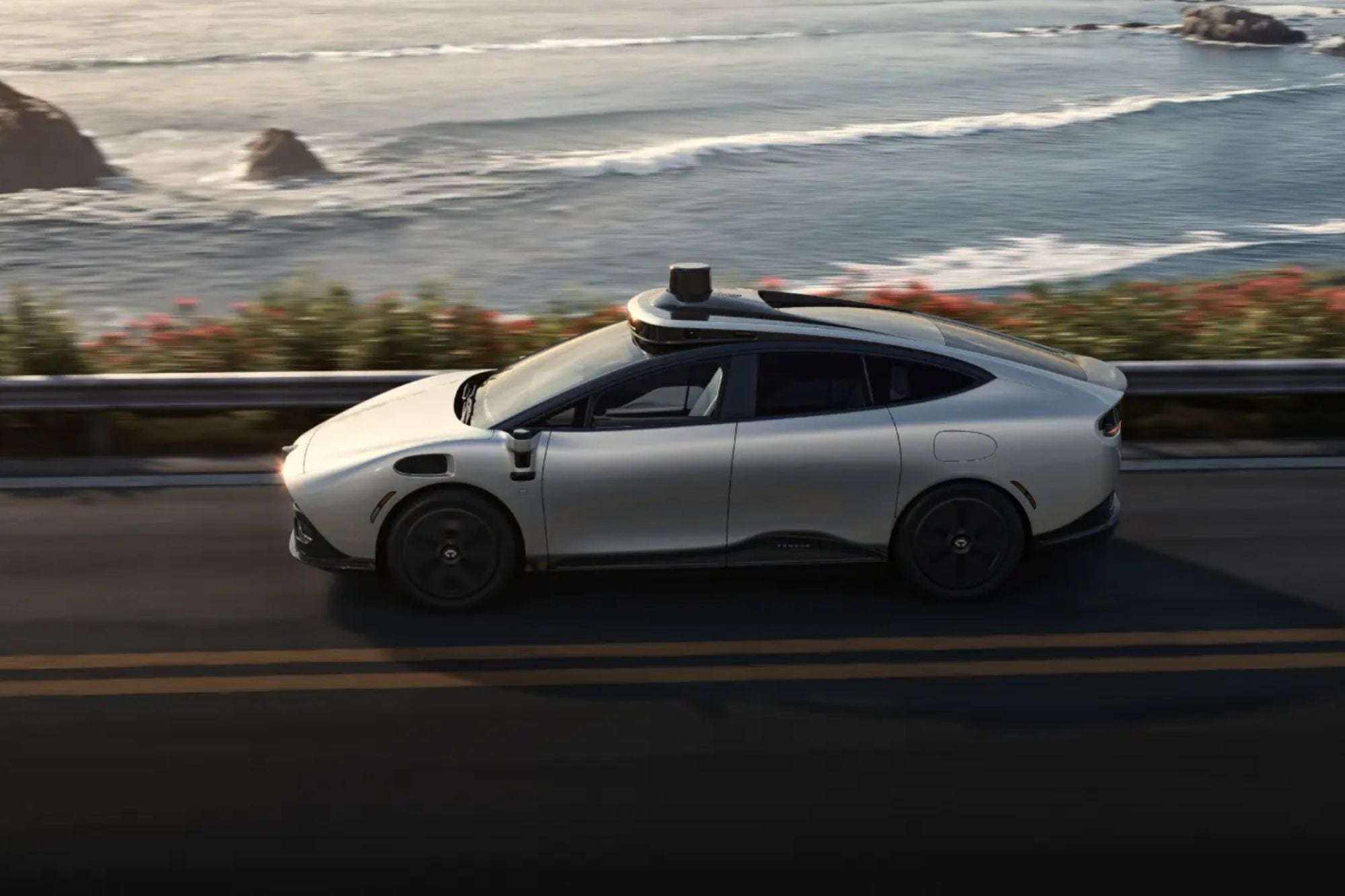
Regulatory change in the U.S. seeks to allow autonomous cars to operate without brake pedals or steering wheels
Translated from Spanish, summarized and contextualized by DistantNews.
At a glance
News
Sources not specified
New plan
- The U.S. National Highway Traffic Safety Administration (NHTSA) proposed removing the requirement for manual braking pedals in fully autonomous vehicles.
- This change aims to facilitate the deployment of vehicles designed without traditional driver controls, such as Tesla's Cybercab.
- The proposal is part of a broader review of federal motor vehicle safety standards, addressing industry frustration over slow exemption processes for such vehicles.
The United States is moving to adapt its regulations for the advancement of autonomous vehicles, with a proposed change that could allow self-driving cars to operate without traditional driver controls like steering wheels or brake pedals. The National Highway Traffic Safety Administration (NHTSA) has put forward a proposal to eliminate the requirement for manual braking pedals in fully autonomous vehicles.
The change, if it moves forward, could facilitate the deployment of autonomous vehicles conceived from scratch without a traditional driving position.
This regulatory shift would not compromise safety standards related to braking performance, which would remain stringent. The change is expected to streamline the deployment of autonomous vehicles designed from the ground up without conventional driver interfaces. Examples of such vehicles include Tesla's Cybercab, a two-seater electric car, as well as developments from Waymo (an Alphabet company) and Amazon's Zoox unit.
The proposal is part of a larger review of federal motor vehicle safety standards. Currently, the U.S. regulatory framework creates a distinction: autonomous vehicles retaining human controls do not require specific NHTSA approval, whereas models designed without these features must obtain exemptions. The agency can authorize up to 2,500 units per manufacturer annually without traditional controls, but many applications have faced lengthy review periods, causing frustration within the industry.
The U.S. regulatory framework created a key difference. Autonomous vehicles that maintain mandatory human controls, such as steering wheels, brake pedals, or mirrors, do not need specific NHTSA approval to circulate. In contrast, models designed without these elements must resort to exemptions.
Beyond the specific issue of brake pedals, the automotive industry has long called for a clearer federal framework for autonomous vehicles. Regulators are grappling with how to adapt safety standards originally conceived for human-driven vehicles. In parallel, NHTSA withdrew a previous proposal from the Biden era that aimed to establish a voluntary national framework for evaluating and overseeing autonomous vehicles, as manufacturers found some requirements too strict, and safety advocates argued it did not grant NHTSA sufficient oversight capabilities.
The agency can authorize up to 2,500 units per manufacturer per year without the required human controls, but several applications remained under review for years.
DistantNews Editorial
Originally published by La Nación in Spanish. Translated, summarized, and contextualized by our editorial team with added local perspective. Read our editorial standards.
More Stories



From Our Blog

What Gets Lost (and Found) When News Is Translated

The Critical Role of Diaspora Media in Global News

What Travellers Should Know About Countries with Restricted Press

A Digital Nomad's Guide to Following Local News

How the Same Story Looks Different in Different Countries
