

‘I found my peace’: How Filipino and Thai migrants made Greenland home
Summarized and contextualized by DistantNews.
At a glance
In-depth
Named sources
Context piece
- Filipino and Thai migrants are increasingly making Greenland their home, contributing to a significant demographic shift.
- Driven by Greenland's growing economy and a need for labor, the island has become a migration corridor for Southeast Asian workers.
- Migrants find a slower pace of life and better opportunities, despite facing the extremes of the Arctic climate.
In the remote landscapes of Greenland, a notable demographic shift is underway as individuals and families from the Philippines and Thailand establish new lives. The island, home to approximately 57,000 people, is experiencing a rapid influx of Southeast Asian workers, drawn by economic opportunities and a desire for a different lifestyle.
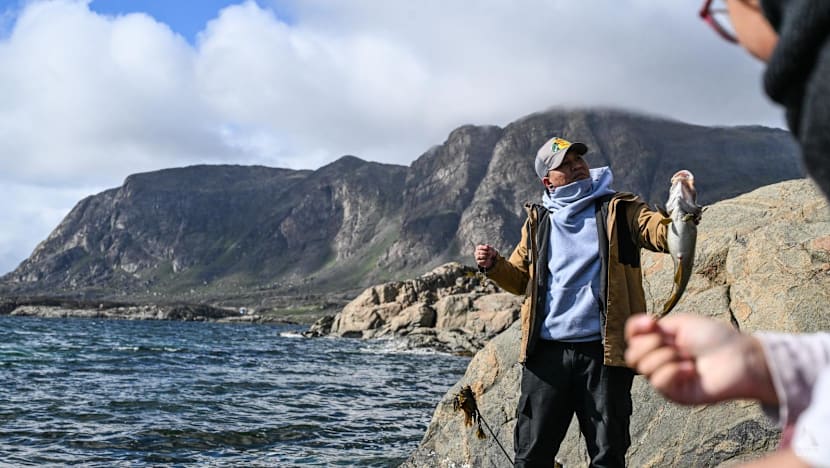
Rid Mondejar, a 37-year-old Filipino migrant, found her peace in Sisimiut, Greenland's second-largest city. She contrasts the island's slower pace of life with the constant busyness of the Philippines, appreciating the opportunities for her son, Neo, to engage with the outdoors. "I found my peace here," Mondejar stated, highlighting the unique appeal of Greenland's environment for families seeking a less hurried existence.
I found my peace here. Back home it's busy all the time, and here you can appreciate the slower pace of life.
Greenland's economy, expanding through tourism, service, mining, and energy sectors, has created a demand for labor that is increasingly being met by foreign workers. The Filipino population in Greenland has risen significantly, from about 270 five years ago to approximately 1,300, while the Thai population has roughly doubled to around 460. These migrant groups now form a substantial part of the territory's workforce, estimated between 12 and 13 percent.
Migrants from the Philippines and Thailand are employed across various sectors, including supermarkets, hotels, restaurants, fisheries, and healthcare facilities. While they are drawn to Greenland's unique landscapes and the promise of a better life, they also contend with the extreme conditions of the high north, including long periods of darkness in winter and the midnight sun in summer, alongside brutal temperatures. Their presence signifies Greenland's evolving identity as an "economy of growth" reliant on international labor.
If Neo was in the Philippines right now, I think he would just be sitting and watching television, maybe most of the day. So, I love it here because he can go out like this on a very sunny day and just enjoy being outside.
DistantNews Editorial
Originally published by CNA. Summarized and contextualized by our editorial team with added local perspective. Read our editorial standards.
More Stories



From Our Blog

What Gets Lost (and Found) When News Is Translated

The Critical Role of Diaspora Media in Global News

What Travellers Should Know About Countries with Restricted Press

A Digital Nomad's Guide to Following Local News

How the Same Story Looks Different in Different Countries
