


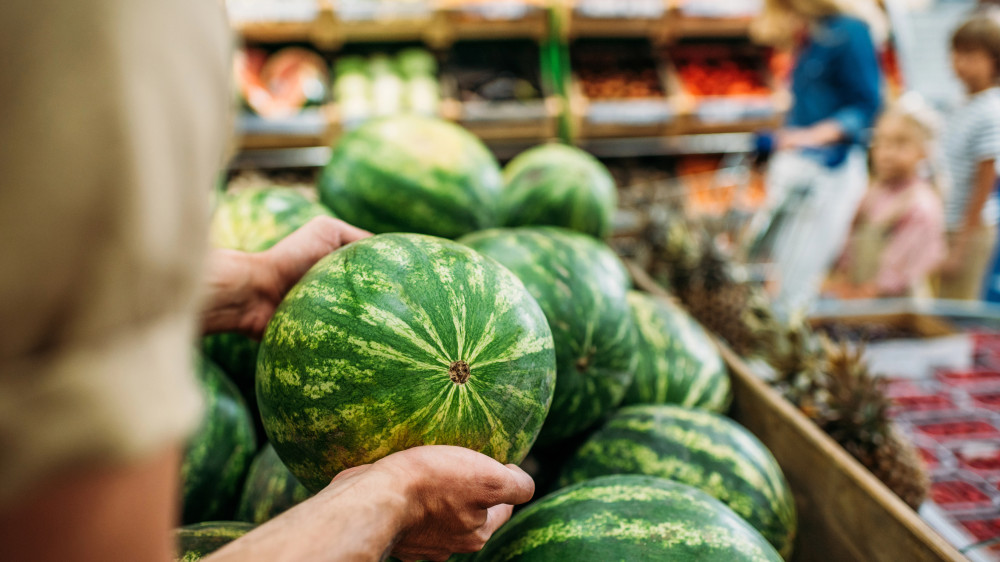
“I wouldn’t risk buying watermelons now”: doctor warns Kazakhstanis
Summarized and contextualized by DistantNews.
At a glance
News
Named sources
Context piece
- An epidemiologist warns against buying watermelons in Kazakhstan before mid-July, as early fruits may contain harmful nitrate levels from accelerated growth methods.
- High nitrate content can disrupt the body's oxygen transport by affecting hemoglobin, potentially leading to poisoning.
- Consumers should buy watermelons from authorized sellers and look for indirect signs like yellow streaks or excessive redness, though lab tests are the only definitive way to check nitrate levels.
Kazakhstanis are being advised to exercise caution when purchasing watermelons, with an expert warning that fruits appearing before the typical mid-July to September ripening season may pose health risks. Manar Smagul, Deputy Head of the National Center for Public Health, highlighted that early watermelons might be treated with fertilizers to speed up their growth and ripening.
If you eat watermelons with a high nitrate content, chemical reactions occur in the body: nitrates bind to iron, resulting in the formation of methemoglobin. The ability of hemoglobin to carry oxygen to organs and tissues is disrupted, which can lead to poisoning. That is why it is very important to pay attention to seasonality. Right now, for example, I would not risk buying watermelons.
Smagul explained that these accelerated methods can lead to high nitrate content in the fruits. When consumed, nitrates can interact with iron in the body, forming methemoglobin. This process interferes with hemoglobin's ability to carry oxygen to vital organs and tissues, potentially resulting in poisoning. "Right now, for example, I would not risk buying watermelons," she stated, emphasizing the importance of seasonality.
It is impossible to determine nitrate content by appearance, special laboratory tests are needed for this.
While it is impossible to determine nitrate levels by appearance alone, requiring laboratory testing, Smagul noted some indirect indicators. Consumers should be wary of yellow streaks within the watermelon's flesh or an unusually bright red color. Additionally, inspecting the fruit for cracks before purchase is recommended. Smagul stressed the importance of buying produce only from authorized markets or stores where product testing is assured.
Melons and watermelons should only be bought at authorized points of sale, markets or stores where you are sure the products have undergone laboratory testing.
Beyond watermelons, Smagul also addressed the broader issue of seasonal intestinal infections, often linked to poor hygiene. She reminded the public to store perishable foods properly, wash all fruits and vegetables thoroughly before consumption, and drink only bottled water when traveling to regions with high infection rates. Young children are particularly vulnerable to these infections, which can rapidly lead to dehydration and serious complications if not treated promptly.
Loss of water causes a child to feel lethargic. Vital processes are disrupted, and this can lead to complications.
DistantNews Editorial
Originally published by Tengrinews. Summarized and contextualized by our editorial team with added local perspective. Read our editorial standards.
More Stories



From Our Blog

What Gets Lost (and Found) When News Is Translated

The Critical Role of Diaspora Media in Global News

What Travellers Should Know About Countries with Restricted Press

A Digital Nomad's Guide to Following Local News

How the Same Story Looks Different in Different Countries
