


IAEA reports discovery of several tons of nuclear material in Syria
Translated from German, summarized and contextualized by DistantNews.
At a glance
News
Named sources
Ongoing story
- The IAEA has confirmed the discovery of several tons of potential nuclear fuel in Syria following a tip from the Syrian government.
- The material, which may include yellowcake, will remain in Syrian custody under IAEA monitoring.
- IAEA Director General Rafael Grossi praised Syria's cooperation and noted the material could be misused.
The International Atomic Energy Agency (IAEA) has reported the discovery of "several tons" of potential nuclear material in Syria, found at a location previously unknown to the organization. The Syrian government provided the initial tip-off that led to the discovery during an IAEA inspection visit.
Several tons of nuclear material
According to Syrian Foreign Minister Assad al-Schaibani, the country informed the IAEA about the find on July 17 and subsequently allowed an initial inspection. While the IAEA has not specified the exact nature of the material, the U.S. portal Axios reported last week that it could include yellowcake, a uranium ore concentrate that can be processed into reactor fuel.
The find goes back to indications from the Syrian government.
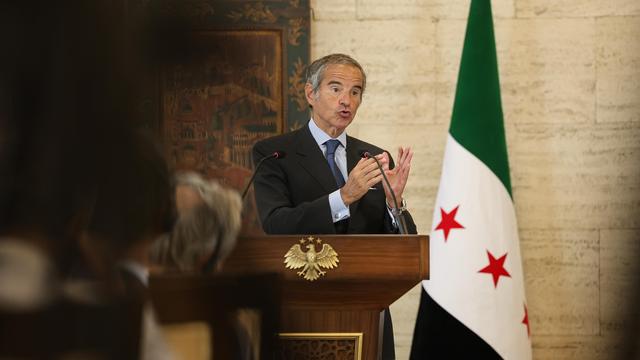
IAEA Director General Rafael Grossi commended Syria's government for its "courageous" decision to share information about the find during a press conference in Damascus. Although Grossi did not reveal the precise location, he cautioned that the material could be "misused."
The "courageous" decision of the Syrian government to pass the information about the find to the IAEA.
Syrian officials stated that IAEA experts collected samples and that initial assessments suggest the material poses no danger. It will remain in Syrian custody and be subject to the IAEA's monitoring systems. Grossi confirmed that the material would be integrated into international control systems, with IAEA and Syrian experts collaborating on its secure storage. The agency plans to continue updating information on this developing story.
Could be misused.
DistantNews Editorial
Originally published by Die Zeit in German. Translated, summarized, and contextualized by our editorial team with added local perspective. Read our editorial standards.
More Stories



From Our Blog

What Gets Lost (and Found) When News Is Translated

How the Same Story Looks Different in Different Countries

The Critical Role of Diaspora Media in Global News

What Travellers Should Know About Countries with Restricted Press

A Digital Nomad's Guide to Following Local News
