


Ice Baths Over Showers: How Athletes Can Cope with Heat
Translated from German, summarized and contextualized by DistantNews.
At a glance
In-depth
Named sources
Context piece
- Exercising in temperatures above 25°C or high humidity significantly strains the cardiovascular system and thermoregulation.
- Regular exposure to heat through training or saunas can acclimatize the body, improving heat tolerance over weeks.
- Cold water immersion (ice baths) is the most effective pre-cooling method for endurance performance in heat, significantly lowering core body temperature.
Engaging in physical activity during hot weather, particularly when temperatures exceed 25°C or humidity is high, places immense stress on the body's cardiovascular system and its ability to regulate temperature. According to Michael Fischer, a physician and professor at the Medical University of Vienna, the increased blood flow to the skin for heat radiation reduces blood return to the heart. This, in turn, lowers the volume of blood pumped by the heart and lungs, directly impacting the oxygen available for physical exertion.
Sporting activities at temperatures above 25°C or high humidity massively strain the cardiovascular system and thermoregulation.
Acclimatization is possible through repeated, controlled exposure to heat. Over several weeks, this can enhance the body's thermal tolerance and reduce the risk of heat-related injuries. Practices like sauna visits, which induce controlled overheating, can contribute to this adaptation. An effective stimulus is achieved when core body temperature reaches at least 38.5°C for 60 minutes, though precise measurement can be complex and may require expert supervision to prevent heat damage from the training stimulus itself.
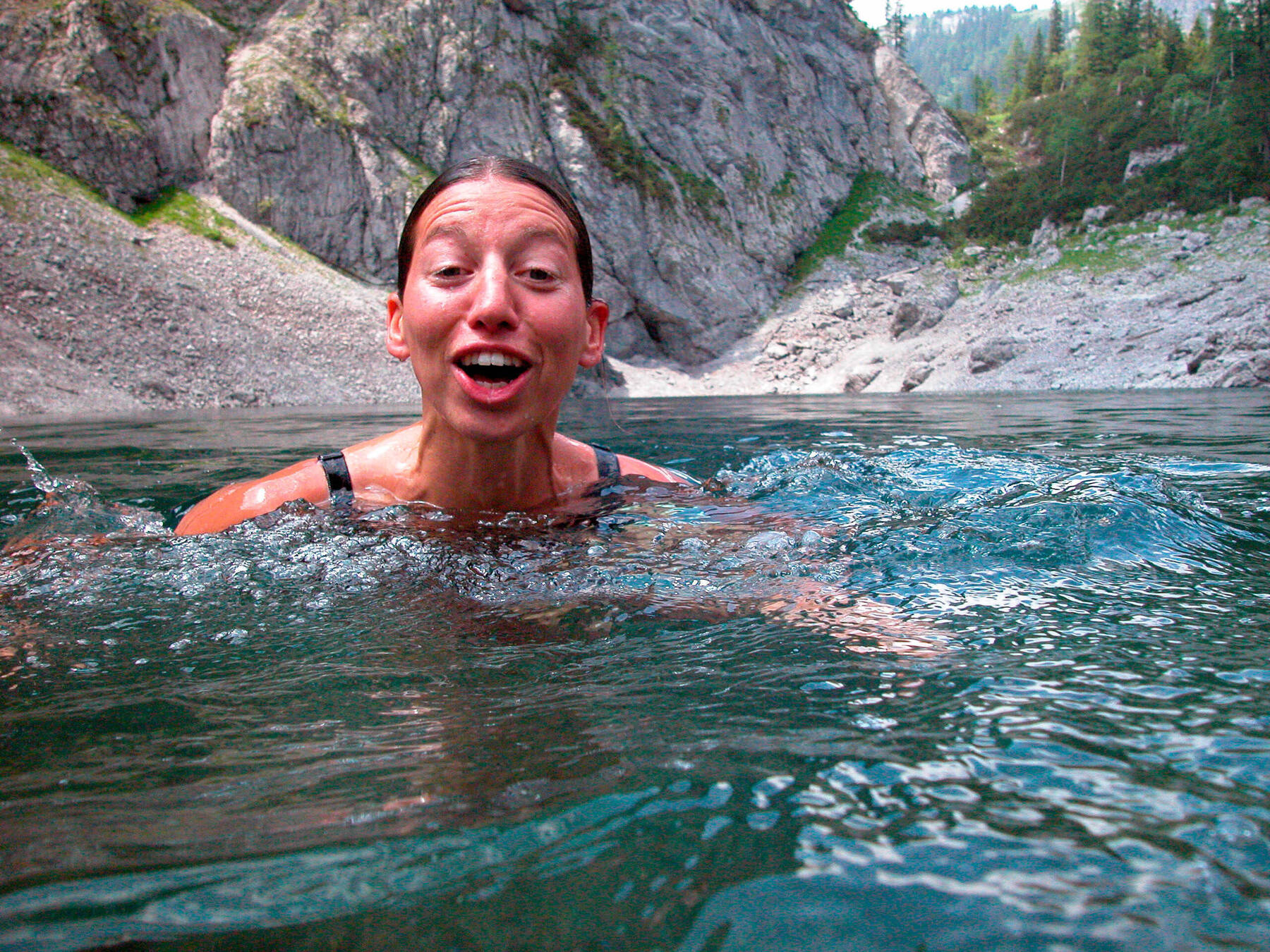
For immediate performance enhancement in hot conditions, cold water immersion, or ice baths, is identified as the most effective external pre-cooling method. Submerging the body in 15–20°C water for up to 30 minutes can deeply extract heat, significantly lowering core body temperature. While cold showers offer some cooling, they are largely ineffective and can even be counterproductive by causing surface blood vessels to constrict, potentially leading to heat buildup later.
The ice bath is considered by far the most effective external method of pre-cooling to increase endurance performance in heat.
Fischer cautions that a significant risk of pre-cooling methods, especially ice baths, is self-deception. Over-cooling the skin can cause blood vessels to narrow, temporarily reducing heat dissipation. Transitioning directly from such a state to intense exercise in the heat can exacerbate this, delaying the body's natural cooling mechanism, sweating. While cold drinks offer measurable effects, their impact is less substantial than ice baths, and achieving a significant cooling effect requires consuming large quantities.
Perhaps the biggest risk of pre-cooling is self-deception.
DistantNews Editorial
Originally published by Die Presse in German. Translated, summarized, and contextualized by our editorial team with added local perspective. Read our editorial standards.
More Stories



From Our Blog

What Gets Lost (and Found) When News Is Translated

The Critical Role of Diaspora Media in Global News

What Travellers Should Know About Countries with Restricted Press

A Digital Nomad's Guide to Following Local News

How the Same Story Looks Different in Different Countries
