


Iceland Votes on Resuming EU Membership Talks Amidst Agricultural Concerns
Translated from Finnish and summarized by DistantNews. Read the original for the full story.
At a glance
News
Sources not specified
Ongoing story
- Iceland is holding a vote on resuming EU membership negotiations suspended in 2013.
- Fishing and agriculture are the most contentious issues in potential talks.
- Public opinion polls show a very close result, with 52.2% currently favoring negotiations.
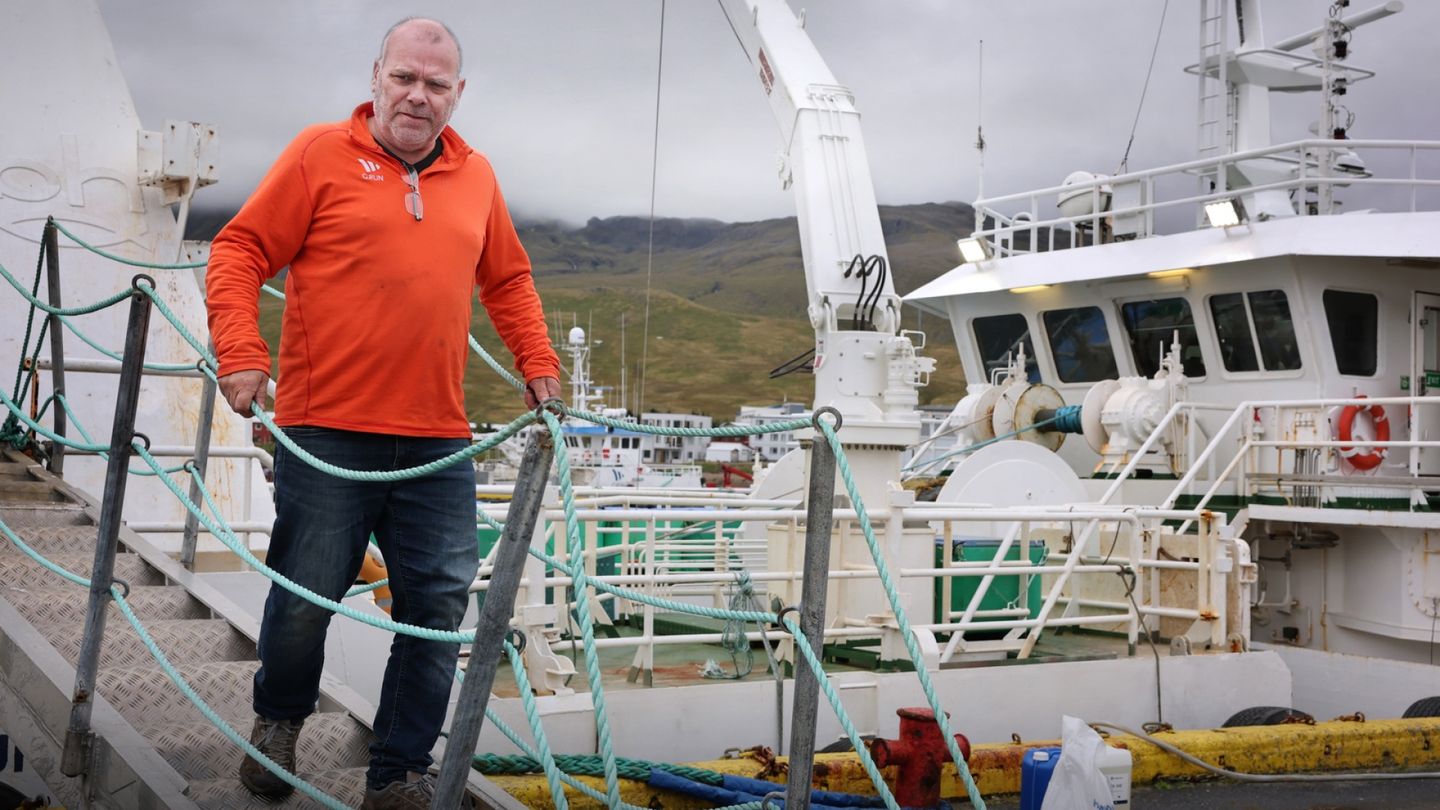
Icelanders are heading to the polls to decide whether to resume membership negotiations with the European Union, a process halted in 2013. The outcome of this advisory referendum remains highly uncertain, with polls indicating an extremely tight race. The future of Iceland's relationship with the EU hinges on complex discussions, particularly concerning the nation's vital fishing and agricultural sectors.
These sectors have historically been the most difficult points of contention in previous EU accession discussions. The fishing industry, a cornerstone of Iceland's economy, and its agricultural sector, which faces unique environmental challenges, are seen by many as intrinsically linked to Iceland's sovereignty and economic stability. Any potential membership would require significant compromises, raising concerns among stakeholders about the long-term viability and distinctiveness of these industries under EU regulations.
The current public sentiment is sharply divided. While a recent poll suggests a slight majority, 52.2 percent, favors continuing the negotiations, the margin is narrow, and the result could easily swing either way. This close division reflects a broader national debate about national identity, economic priorities, and the perceived benefits versus risks of integrating further into the European bloc. The decision will have significant implications for Iceland's economic future and its place in Europe.
About this summary
Originally published by Helsingin Sanomat in Finnish. Translated, summarized, and contextualized automatically by DistantNews, with a note on how the source frames the story. Not individually reviewed before publishing. How this works.
More Stories


From Our Blog

What Gets Lost (and Found) When News Is Translated

The Critical Role of Diaspora Media in Global News

What Travellers Should Know About Countries with Restricted Press

A Digital Nomad's Guide to Following Local News

How the Same Story Looks Different in Different Countries
