

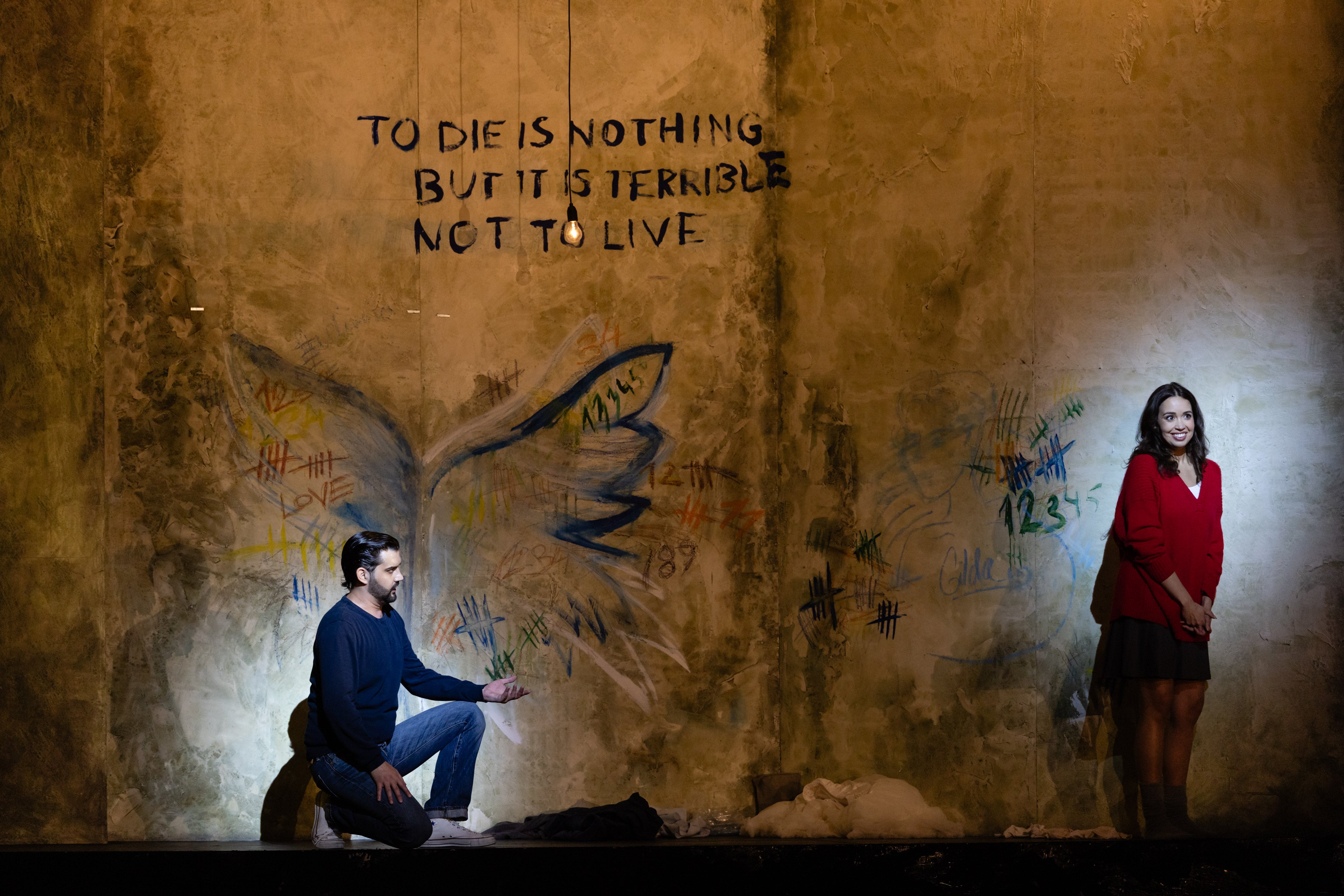

If you want it without AI, you'll have to pay more
Translated from Spanish, summarized and contextualized by DistantNews.
At a glance
News
Sources not specified
Context piece
- The increasing prevalence of AI raises questions about humanity's future intellectual engagement and ambition.
- In cultural fields like publishing, AI poses challenges for detecting AI-generated content, with potential market implications for human-made works.
- Products created by humans may become premium, commanding higher prices due to their authenticity compared to cheaper, mass-produced AI content.
The rapid advancement of Artificial Intelligence prompts a reevaluation of humanity's role and intellectual drive. Instead of questioning when AI will surpass human knowledge, the more pertinent inquiry is when humans will cede their intellectual efforts to AI's efficiency and perceived clairvoyance. This shift appears to be underway, impacting various aspects of life.
In the cultural sphere, AI's influence is felt in literature, art, and music, with publishing houses struggling to identify AI-generated manuscripts. A key concern is whether audiences will prioritize the human origin of creative works. If consumers become indifferent to AI's involvement, the incentive to meticulously craft human-made content diminishes.
Why bother trying to write better, understand complex reality, memorize, reason, or make decisions if there's an app that already does it for us with immediacy and a facade of unsurpassable clairvoyance?
However, the market may soon differentiate between AI-generated and human-created cultural products. It is anticipated that consumers who value authenticity will be willing to pay a premium for human-made art. AI's ability to streamline processes and enable mass distribution lowers costs, whereas human creativity, with its inherent imperfections, will likely incur higher production expenses, translating to a higher final price. This positions human-created works as luxury items.
Researchers are exploring how to leverage this trend. A study from Cambridge University suggests a methodology for maximizing the benefits of human creativity in the face of AI. The researchers propose that focusing solely on containing AI is insufficient and that transparency in the creative process will be crucial to certify human authorship.
The intervention of human beings will turn the product into a premium, a luxury that will require a greater outlay.
DistantNews Editorial
Originally published by La Vanguardia in Spanish. Translated, summarized, and contextualized by our editorial team with added local perspective. Read our editorial standards.
More Stories



From Our Blog

What Gets Lost (and Found) When News Is Translated

The Critical Role of Diaspora Media in Global News

What Travellers Should Know About Countries with Restricted Press

A Digital Nomad's Guide to Following Local News

How the Same Story Looks Different in Different Countries
