


Ignorance, misinformation fuel rising sickle cell cases in Nigeria
Summarized and contextualized by DistantNews.
At a glance
News
Sources not specified
Context piece
- Ignorance and misinformation about genotype compatibility contribute to a rise in sickle cell disorder cases in Nigeria.
- Many individuals lack knowledge regarding the genetic factors that lead to the disorder, resulting in affected children.
- The article highlights the need for greater awareness and education on genotype compatibility to prevent the birth of children with sickle cell disorder.
A significant factor contributing to the increasing prevalence of sickle cell disorder in Nigeria is the widespread ignorance and misinformation surrounding genotype compatibility. Hundreds of individuals across the country are unaware of the genetic implications of their genotypes, leading to the birth of children with the debilitating condition.
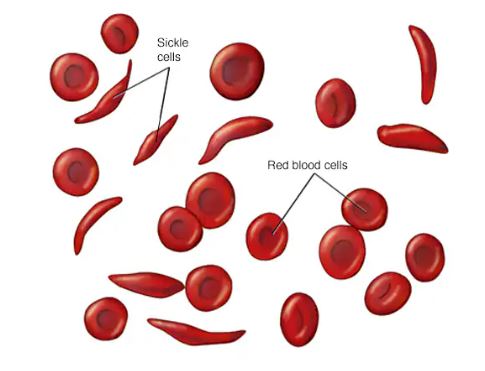
The lack of knowledge about genotype compatibility means that many prospective parents do not understand the risks associated with certain genetic pairings. Sickle cell disorder is an inherited blood disorder characterized by abnormal hemoglobin, which causes red blood cells to become rigid and sickle-shaped. This can lead to a range of health problems, including severe pain, organ damage, and a shortened lifespan.
The article points to the critical need for enhanced public awareness campaigns and educational initiatives. These efforts should focus on informing the populace about the importance of genotype testing before marriage or conception. Understanding that individuals with AS genotype (heterozygous) can pass on the sickle cell gene to their offspring, and that AS combined with AS or SS results in children with sickle cell disorder (SS), is crucial for prevention.
By addressing the knowledge gap and combating misinformation, Nigeria can work towards reducing the number of children born with sickle cell disorder. Promoting genetic counseling and accessible testing facilities are essential steps in empowering individuals to make informed decisions about their reproductive health and prevent the transmission of the disorder.
DistantNews Editorial
Originally published by Vanguard. Summarized and contextualized by our editorial team with added local perspective. Read our editorial standards.
More Stories


From Our Blog

How the Same Story Looks Different in Different Countries

What Gets Lost (and Found) When News Is Translated

The Critical Role of Diaspora Media in Global News

What Travellers Should Know About Countries with Restricted Press

A Digital Nomad's Guide to Following Local News
