


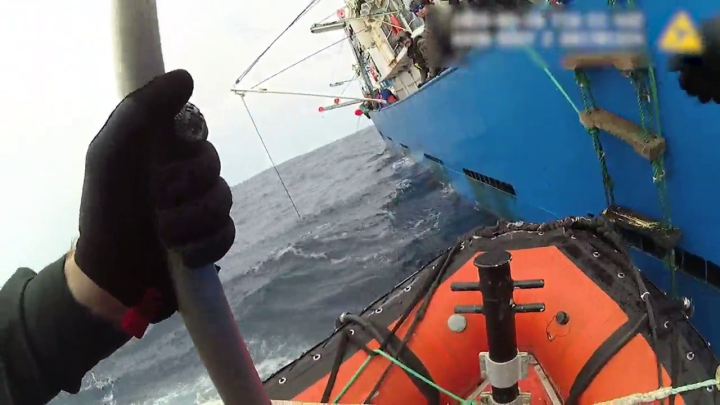
Illegal fishing, shark finning found during DFO patrols in Pacific
Translated from English, summarized and contextualized by DistantNews.
At a glance
News
Sources not specified
Under investigation
- Fisheries and Oceans Canada (DFO) conducted a two-month patrol in the northern Pacific, investigating illegal fishing activities.
- Crews discovered numerous violations, including shark finning, the use of dolphins as shark bait, and alarmingly low numbers of forage fish.
- The DFO reported progress in enforcement, citing a recent prosecution in Taiwan for using dolphins as bait for shark finning.
A recent two-month patrol by Fisheries and Oceans Canada (DFO) in the northern Pacific Ocean has uncovered significant illegal fishing operations, including disturbing practices like shark finning and the use of dolphins as bait.
Typically we’re talking about international vessels operating under flags from around the world.
DFO crews, working alongside international partners, covered millions of square kilometers between Victoria and Japan. They boarded 30 vessels suspected of illegal fishing. Among the findings were sharks with their fins removed, their bodies discarded overboard, likely destined for the black market. This practice, known as shark finning, remains a major concern for marine conservation.
Further investigations revealed evidence that some ships had killed dolphins to use as shark bait, a practice the DFO has encountered before. However, enforcement efforts are yielding results. Sean Wheeler, chief of international enforcement with the DFO, highlighted a recent case in Taiwan where a captain received over a two-year prison sentence for capturing 43 dolphins for shark finning.
This included illegally-caught sharks with their fins chopped off and the remaining parts of their bodies thrown overboard, presumably to be sold into the mostly underground global market for shark fins.
Beyond these specific violations, the patrol also noted unusually low numbers of small forage fish, such as sardines, mackerel, and Pacific saury. These fish are a crucial food source for B.C.'s wild salmon during their ocean phase. Wheeler stated that the cause of this decline is still under investigation, with possibilities including seasonality, migration pattern shifts, or broader ecosystem impacts.
We were heartened to see an example of prosecution in this case out of Taiwan, where they sentenced one captain to over two years in prison recently for the capture of 43 dolphins that were used for shark finning.
The DFO has stated it will not release the names of countries whose vessels are implicated in illegal activities until investigations are complete. The findings underscore the ongoing challenges in monitoring and enforcing fishing regulations in international waters.
We don’t know what’s causing that catch; we need to watch with our colleagues to determine if this is a seasonality change, if there’s been a shift in migration pattern, or if there’s a larger ecosystem impact happening.
DistantNews Editorial
Originally published by Global News in English. Translated, summarized, and contextualized by our editorial team with added local perspective. Read our editorial standards.
More Stories



From Our Blog

What Gets Lost (and Found) When News Is Translated

The Critical Role of Diaspora Media in Global News

What Travellers Should Know About Countries with Restricted Press

A Digital Nomad's Guide to Following Local News

How the Same Story Looks Different in Different Countries
