


Illegal GM tomato sales discovered at Latvian plant market
Translated from Latvian, summarized and contextualized by DistantNews.
At a glance
News
Official statement
Outcome reported
- Latvia's State Plant Protection Service (VAAD) found genetically modified "Norfolk Purple" tomato seedlings being sold at a plant market.
- The GM tomatoes, developed in the U.S., are characterized by deep purple flesh and skin due to enhanced anthocyanin content.
- VAAD has warned consumers not to plant or distribute the seedlings, as growing GM organisms is illegal in the EU and Latvia.
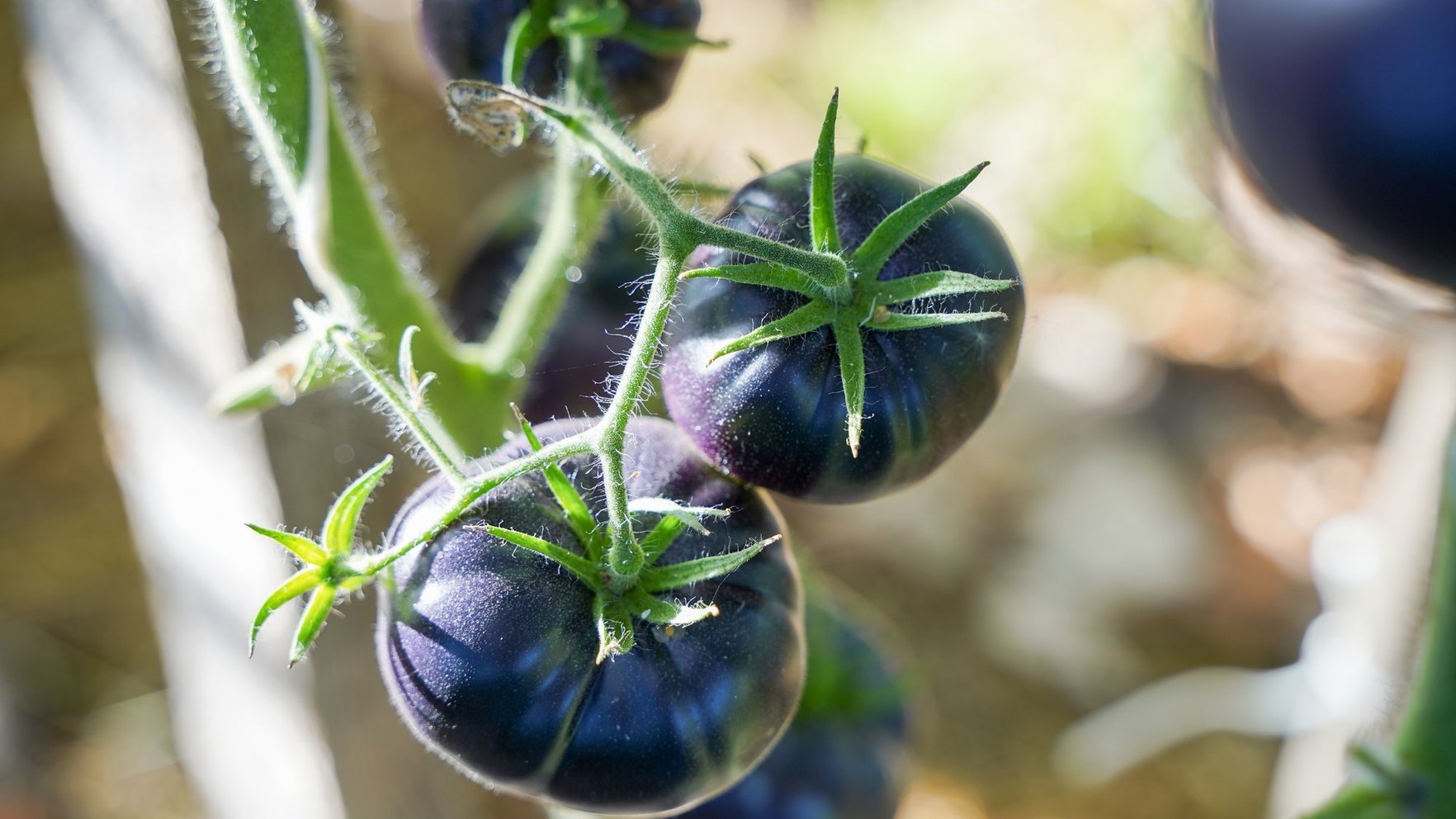
Latvia's State Plant Protection Service (VAAD) has identified the sale of genetically modified tomato seedlings, specifically the "Norfolk Purple" variety, at a plant market, including the "Garden and Lifestyle 2026" exhibition. The seedlings were found at the stand of the "Tomato" Garden Enthusiasts Club.
The "Norfolk Purple" tomato, developed by the U.S. biotechnology company "Norfolk Healthy Produce," is notable for its dark purple skin and flesh, a trait achieved through bioengineering to increase anthocyanin content. Unlike other varieties, the entire fruit, not just the skin, is purple.
VAAD emphasized that the cultivation and distribution of genetically modified organisms (GMOs) are strictly regulated under European Union and Latvian law. Growing GM tomatoes is not permitted in the EU, including Latvia.
The service conducted checks on both the "Tomato" club and the grower who supplied the seedlings. Residents who purchased these seedlings or obtained seeds of this variety are strongly advised not to plant them, distribute them, or consume them. They should be disposed of safely to prevent further cultivation.
VAAD also highlighted that growing GM plants can compromise the status of produce as organic. The use of GMOs is prohibited in organic farming. Furthermore, the Latvian Law on the Circulation of Genetically Modified Organisms stipulates administrative responsibility and potential fines for individuals and legal entities involved in the market distribution of GMOs or violations of coexistence regulations.
DistantNews Editorial
Originally published by Delfi Latvia in Latvian. Translated, summarized, and contextualized by our editorial team with added local perspective. Read our editorial standards.
More Stories


From Our Blog

What Gets Lost (and Found) When News Is Translated

The Critical Role of Diaspora Media in Global News

What Travellers Should Know About Countries with Restricted Press

A Digital Nomad's Guide to Following Local News

How the Same Story Looks Different in Different Countries
