

IMF: Connectivity, Reforms Key to Expanding GCC-Central Asia Trade
Summarized and contextualized by DistantNews.
At a glance
News
Named sources
Context piece
- Trade and investment between the Gulf Cooperation Council (GCC) and Central Asia/Caucasus (CCA) regions are underdeveloped despite economic complementarities, according to an IMF paper.
- Both regions are open economies, but trade remains modest, with exports concentrated in minerals and fuels, though diversification is occurring.
- The IMF paper suggests that strengthening regional partnerships through trade agreements, improved logistics, governance reforms, and reduced trade barriers could significantly boost economic integration and resilience.
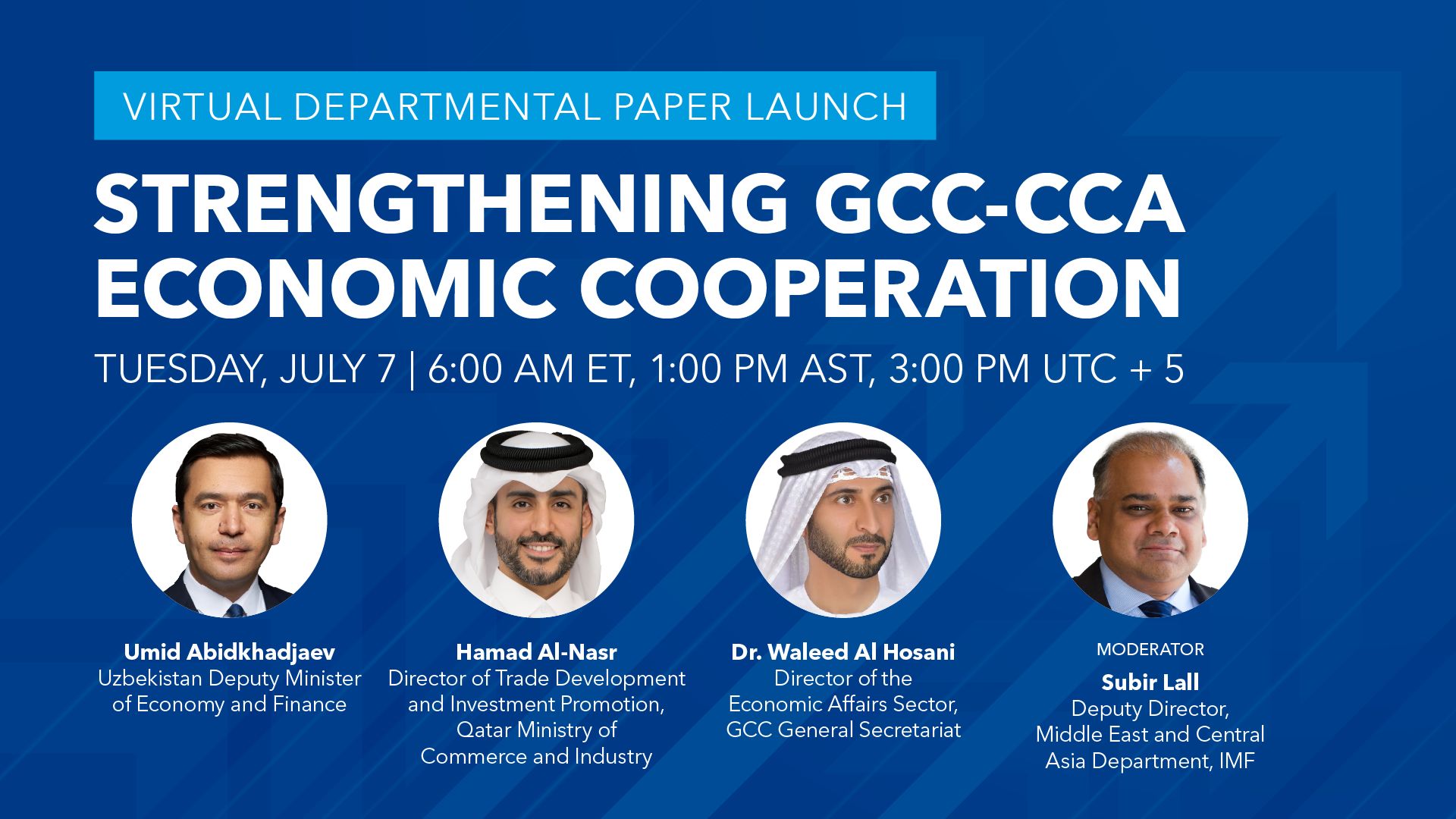
Trade and investment flows between the Gulf Cooperation Council (GCC) and the Caucasus and Central Asia (CCA) regions are significantly below their potential, despite growing economic links, according to a new International Monetary Fund (IMF) paper. The report, "Strengthening GCC-CCA Economic Cooperation," highlights that enhanced regional partnerships are crucial for economic growth and building resilience against global uncertainties.
Strengthening regional partnerships is not simply about expanding economic opportunities. It is also about building resilience. Strengthening trade and investment can help countries better withstand external shocks while supporting growth.
Despite both the GCC and CCA being among the world's more open economies, trade between them remains relatively limited. While exports in both regions are traditionally concentrated in minerals and fuels, diversification efforts are gradually altering this composition, creating more opportunities for inter-regional trade. The IMF analysis indicates that this diversification is important for unlocking greater economic integration.
Despite the high trade openness in the GCC and the CCA, trade between the GCC and the CCA remains limited, although it has been increasing recently.
The IMF paper also identifies complementary investment dynamics between the regions. GCC economies typically generate current account surpluses and provide global capital, while Central Asian economies are largely recipients of foreign direct investment (FDI). However, realized FDI remains below potential, with the average FDI-to-GDP ratio in both regions falling short of emerging market averages, suggesting significant room for improvement.
Both charts show a gradual reduction in the share of minerals and fuels in exports, reflecting the impact of ongoing diversification policies. This is important because this diversification creates more opportunities for trade between the GCC and the CCA.
Econometric analysis within the report underscores the critical role of policy choices in shaping trade outcomes. The IMF found that trade agreements could increase bilateral trade by as much as 80%, particularly for agricultural products. Furthermore, improvements in logistics, governance, and reductions in both tariff and non-tariff barriers are strongly linked to better trade performance. For Central Asian countries, the IMF emphasizes that logistics and governance reforms offer the highest potential impact for enhancing trade.
When we look at the average FDI-to-GDP ratio in the GCC and the CCA, we can see that it is well below the average of emerging markets, which suggests substantial areas for improvement.
DistantNews Editorial
Originally published by The Astana Times. Summarized and contextualized by our editorial team with added local perspective. Read our editorial standards.
More Stories



From Our Blog

What Gets Lost (and Found) When News Is Translated

The Critical Role of Diaspora Media in Global News

What Travellers Should Know About Countries with Restricted Press

A Digital Nomad's Guide to Following Local News

How the Same Story Looks Different in Different Countries
