


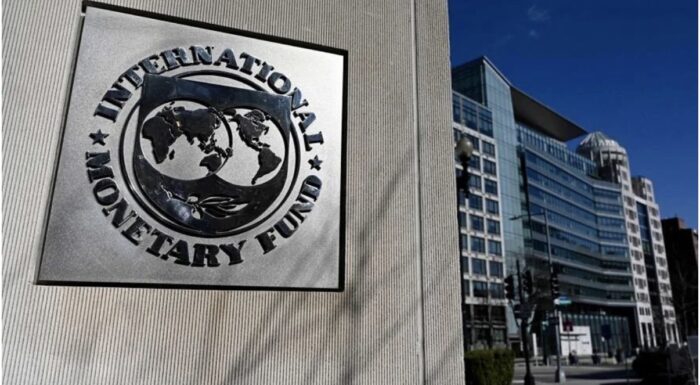
IMF Sees Kazakhstan’s Economy Growing 4.6% in 2026 Despite Inflation Risks
Summarized and contextualized by DistantNews.
At a glance
News
Named sources
Context piece
- Kazakhstan's economy is projected to grow by 4.6% in 2026, driven by high oil prices and strong domestic demand, according to the IMF.
- Growth moderated in early 2026 due to reduced oil production, but services, transport, construction, and manufacturing offset the decline.
- Inflation remains high, prompting the IMF to recommend tight monetary policy and fiscal discipline, while also suggesting structural reforms to boost long-term growth.
Kazakhstan's economy is poised for robust growth of approximately 4.6% in 2026, bolstered by favorable oil prices, strong domestic demand, and significant investment inflows, the International Monetary Fund (IMF) reported following a recent mission.
Despite a temporary slowdown in January-May 2026, attributed to lower oil production following an accident at the Caspian Pipeline Consortium, the economy demonstrated resilience. Growth in sectors such as services, transport, construction, and manufacturing helped compensate for the dip in oil output, according to the IMF's June 15 report.
Inflation continues to be a concern, remaining well above the National Bank of Kazakhstan's target of 5%. While it eased slightly from 12.9% in September 2025 to 10.4% in May 2026, the IMF advised maintaining a restrictive monetary policy and strengthening fiscal discipline to curb price increases.
The IMF anticipates improvements in Kazakhstan's fiscal and external positions this year, supported by elevated oil prices and tax reforms. The current account is expected to shift from a deficit to a marginal surplus. The banking sector remains stable and well-capitalized. However, risks persist, including potential disruptions to oil exports, global economic uncertainty, and inflationary pressures from domestic demand and public spending.
To foster sustainable, diversified long-term growth and combat inflation, the IMF recommends deeper structural reforms. These include reducing the state's role in the economy, encouraging private investment, developing capital markets, and enhancing infrastructure in human capital, physical assets, and digital capabilities. The fund also highlighted the potential of "Digital Tenge" for efficient public spending.
Stronger fiscal and quasi-fiscal discipline, enhanced public spending efficiency, including through the use of Digital Tenge, which enables real-time tracking and targeted use of budgetary and National Fund resources, and a more dynamic private sector would help curb inflation and support stronger, diversified long-term growth.
DistantNews Editorial
Originally published by The Astana Times. Summarized and contextualized by our editorial team with added local perspective. Read our editorial standards.
More Stories
From Our Blog

What Gets Lost (and Found) When News Is Translated

The Critical Role of Diaspora Media in Global News

What Travellers Should Know About Countries with Restricted Press

A Digital Nomad's Guide to Following Local News

How the Same Story Looks Different in Different Countries
