


Implications of India’s freedom struggle
Summarized and contextualized by DistantNews.
At a glance
In-depth
Sources not specified
Context piece
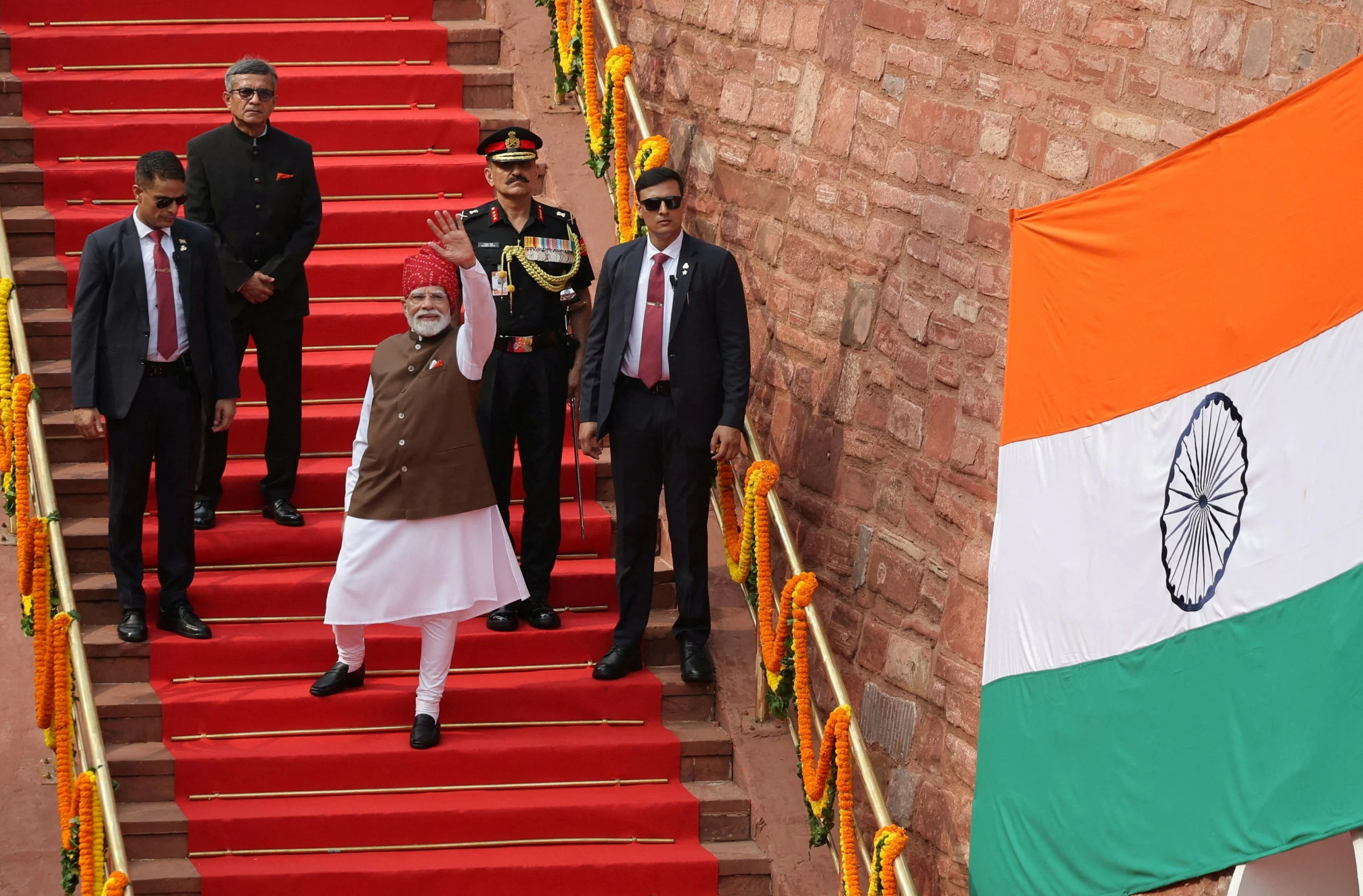
- India marked its 80th Independence Day on August 15, celebrating freedom from nearly 200 years of British rule.
- The independence movement, led by figures like Mahatma Gandhi and Jawaharlal Nehru, involved mass protests and civil disobedience.
- India's independence inspired other decolonization movements across the British Empire, which was the largest in history.
India recently celebrated its 80th Independence Day on August 15, commemorating its hard-won freedom from nearly two centuries of British colonial rule. The nation's independence, achieved on August 15, 1947, was the culmination of decades of sustained mass protests, peaceful civil disobedience, and intricate political negotiations.
Key leaders such as Mahatma Gandhi and Jawaharlal Nehru, alongside the Indian National Congress and numerous other freedom fighters, spearheaded the movement. Their efforts laid the groundwork for India's self-determination.
As the first major Asian colony to gain independence after World War II, India's struggle resonated globally. It served as a powerful catalyst for other decolonization movements emerging across the vast British Empire, which at its peak encompassed approximately 24 percent of the Earth's land area and governed hundreds of millions of people.
Historically, Britain employed a 'divide-and-rule' strategy to maintain control over its colonies. In the case of India, this involved encouraging partition, with Muslim leaders like Muhammad Ali Jinnah advocating for the creation of Pakistan. This complex legacy continues to shape the region's history and identity.
DistantNews Editorial
Originally published by Gulf Today. Summarized and contextualized by our editorial team with added local perspective. Read our editorial standards.
More Stories

From Our Blog

What Gets Lost (and Found) When News Is Translated

The Critical Role of Diaspora Media in Global News

What Travellers Should Know About Countries with Restricted Press

A Digital Nomad's Guide to Following Local News

How the Same Story Looks Different in Different Countries
