


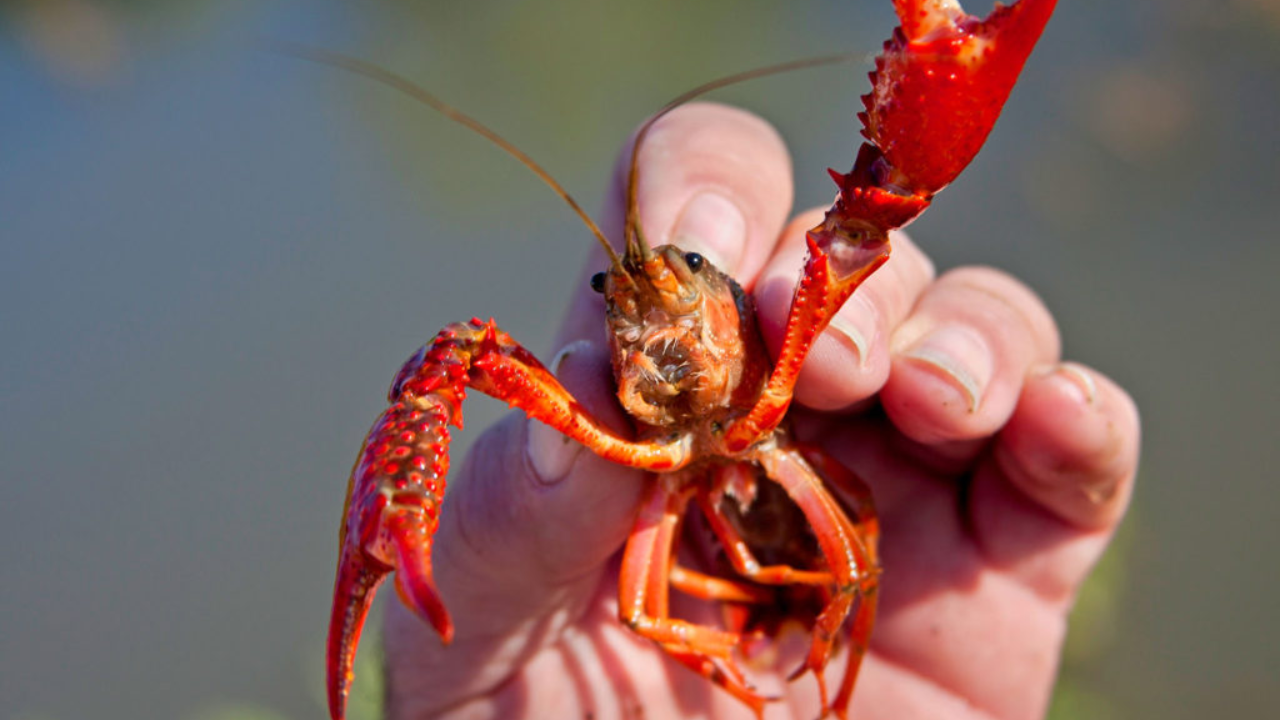
In 1974, Spain imported two tons of American red crayfish for aquaculture; 50 years later...
Summarized and contextualized by DistantNews.
At a glance
In-depth
Sources not specified
Context piece
- American red crayfish, introduced to Spain's Guadalquivir River basin 50 years ago for aquaculture, have become an invasive species.
- These crayfish have negatively impacted local wildlife and aquatic ecosystems.
- Despite ecological disruption, local communities have developed an economy around harvesting them, leading to legal compromises for regulated harvesting.
Fifty years ago, Spain imported two tons of American red crayfish with the aim of developing aquaculture. The species was introduced into the Guadalquivir River basin, but what began as a commercial venture has since transformed into a significant ecological challenge.
These aggressive invaders have firmly established themselves, wreaking havoc on native wildlife and disrupting the delicate balance of aquatic ecosystems. Their proliferation poses a threat to biodiversity and the health of the river system.
However, the story has a complex economic dimension. Local communities have successfully built a livelihood around the harvesting and processing of these invasive crayfish. This economic dependence has created a unique situation, sparking legal disputes over their management.
Ultimately, a compromise has been reached, permitting regulated harvesting. This decision attempts to balance the need for ecological conservation with the economic realities faced by communities that rely on the crayfish for their income. The ongoing management of this invasive species reflects a delicate negotiation between environmental protection and economic viability.
DistantNews Editorial
Originally published by Times of India. Summarized and contextualized by our editorial team with added local perspective. Read our editorial standards.
More Stories


From Our Blog

What Press Freedom Means for the News You Read

What Gets Lost (and Found) When News Is Translated

The Critical Role of Diaspora Media in Global News

What Travellers Should Know About Countries with Restricted Press

A Digital Nomad's Guide to Following Local News
