


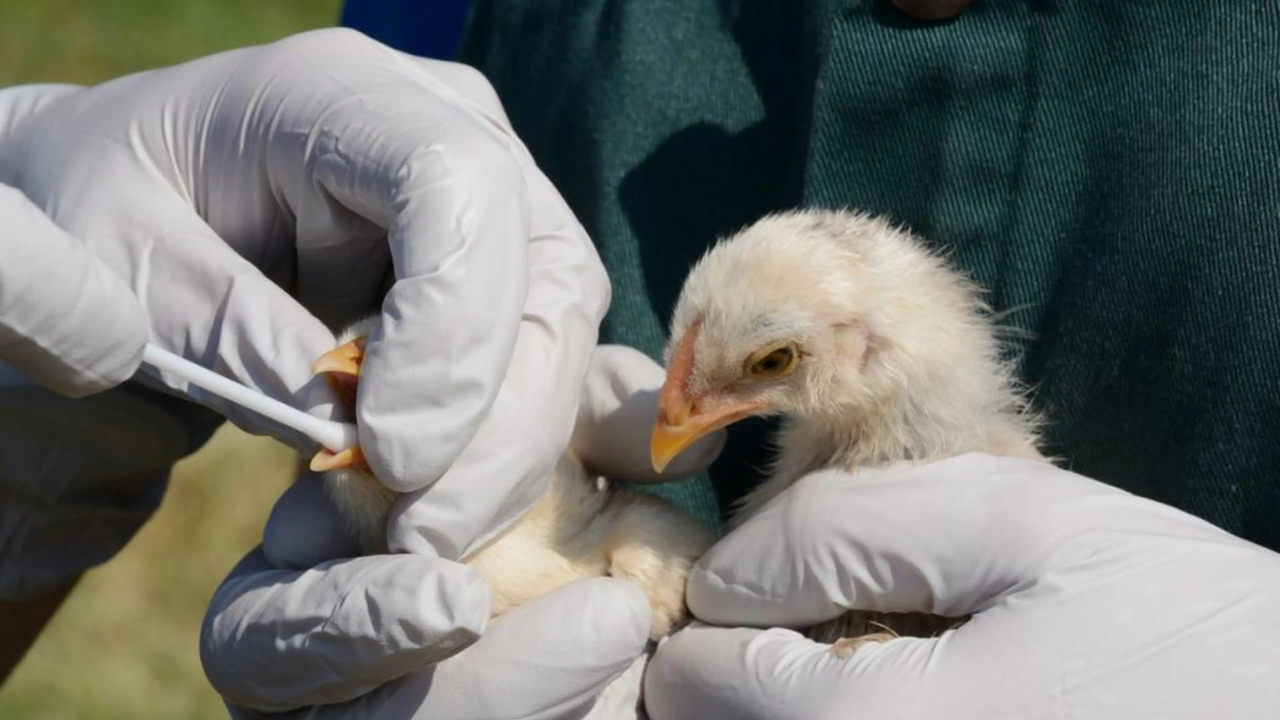
In 2022, bird flu caused an entire Sandwich tern colony in England to be abandoned
Summarized by DistantNews. Read the original for the full story.
At a glance
News
Named sources
Outcome reported
- Sandwich Terns have returned to England's Pagham Harbour in record numbers, four years after a severe bird flu outbreak forced the colony's abandonment.
- Conservation efforts, including habitat restoration and predator management, created suitable nesting conditions for the birds' return.
- The resurgence at Pagham Harbour is a significant conservation success, highlighting resilience in coastal wildlife populations affected by disease.
A remarkable conservation success story is unfolding at RSPB Pagham Harbour in West Sussex, England, where Sandwich Terns have returned in unprecedented numbers. This resurgence marks a significant recovery for the species, which was devastated by a severe bird flu outbreak in 2022. The highly infectious H5N1 strain of avian influenza decimated adult birds and chicks, forcing the entire colony to abandon its nesting grounds.
The recovery comes four years after the highly infectious H5N1 strain of avian influenza badly affected seabird colonies across the UK.
In 2022, the outbreak led to catastrophic losses, with wardens and conservationists recording large numbers of dead terns and chicks. The surviving birds fled their nests, leaving the shingle spit empty. At the time, it was uncertain whether the colony would ever recover. However, following several years of dedicated habitat work and predator protection by RSPB staff, wardens, and volunteers, the site has been revitalized.
At Pagham Harbour, a nature reserve managed by the Royal Society for the Protection of Birds (RSPB) near Chichester, the losses were so serious that the entire colony collapsed.
Conservation teams reshaped nesting islands, cleared vegetation, and installed protective measures like electric fencing and anti-predator grids to deter foxes and badgers. Seasonal patrols and water barriers also minimized human disturbance. These efforts created safe and quiet nesting areas, paving the way for the terns' return.
The return to Pagham Harbour is one of the most notable conservation recoveries along England's southern coast and an important sign of resilience for coastal wildlife.
The 2026 breeding season census revealed that the Sandwich Tern colony at Pagham Harbour has not only returned but has surpassed its pre-outbreak numbers. This makes the site a crucial stronghold for the species in Britain and offers a vital sign of resilience for coastal wildlife grappling with the aftermath of disease. The flourishing nests and chicks signal a promising recovery for seabird populations.
The 2026 census showed that the Sandwich Tern colony at Pagham Harbour had grown well beyond its numbers before the bird flu outbreak, making the site an important stronghold for the species in Britain.
About this summary
Originally published by Times of India. Summarized and contextualized automatically by DistantNews, with a note on how the source frames the story. Not individually reviewed before publishing. How this works.
More Stories



From Our Blog

What Press Freedom Means for the News You Read

What Gets Lost (and Found) When News Is Translated

The Critical Role of Diaspora Media in Global News

What Travellers Should Know About Countries with Restricted Press

A Digital Nomad's Guide to Following Local News
