


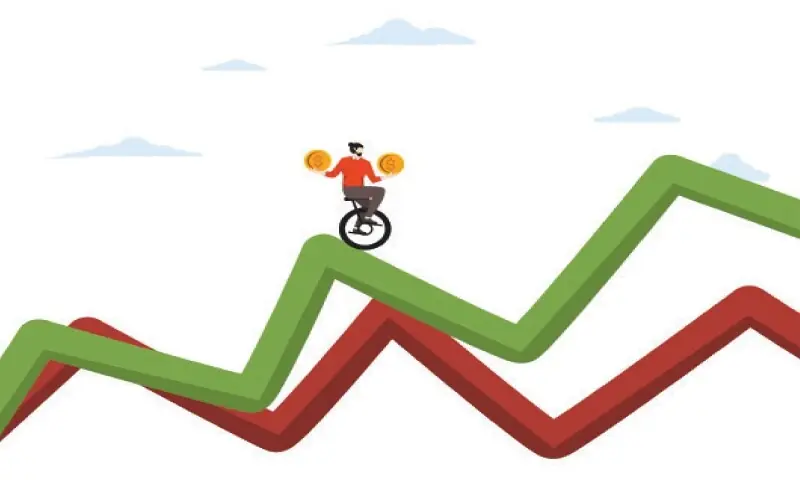
In a fiscal conundrum
Summarized and contextualized by DistantNews.
At a glance
News
Documents & data
Context piece
- Pakistan's fiscal deficit narrowed to 1.6% of GDP in the first 11 months of FY26, appearing to show stability.
- However, this stability is fragile, with total public debt reaching $298.5 billion by March 2026 and interest payments consuming significant revenue.
- The Federal Board of Revenue missed its IMF tax target, and debt servicing limits development spending, raising questions about long-term sustainability.
Pakistan's fiscal position for the 2026 fiscal year presents a deceptive picture of stability. While the overall fiscal deficit reportedly narrowed to 1.6 percent of GDP during the first 11 months (July-May), this achievement masks deep-seated economic fragility.
The nation's total public debt had soared to a staggering Rs83.29 trillion, equivalent to $298.5 billion, by the end of March 2026. Adding to the strain, interest payments alone consumed Rs6.16 trillion within just 11 months. The International Monetary Fund (IMF) forecasts a fiscal deficit of 3.2 percent for FY27, indicating continued fiscal pressure.
Further complicating the outlook, the Federal Board of Revenue failed to meet its IMF tax collection target by Rs975 billion. This shortfall, coupled with the substantial portion of the budget dedicated to debt servicing, severely curtails funds available for crucial development spending. Consequently, Pakistan is navigating a precarious fiscal tightrope, with the question of long-term sustainability remaining uncertain despite apparent short-term stabilization.
Examining the power sector reveals the underlying pressures more clearly. Issues such as capacity payments, the persistent problem of circular debt, and costly contractual obligations contribute significantly to the nation's fiscal challenges.
DistantNews Editorial
Originally published by Dawn. Summarized and contextualized by our editorial team with added local perspective. Read our editorial standards.
More Stories

From Our Blog

What Gets Lost (and Found) When News Is Translated

The Critical Role of Diaspora Media in Global News

What Travellers Should Know About Countries with Restricted Press

A Digital Nomad's Guide to Following Local News

How the Same Story Looks Different in Different Countries
