

Seeking a sensible auto policy
Summarized and contextualized by DistantNews.
At a glance
Analysis
Sources not specified
New plan
- Pakistan's upcoming automobile policy will balance competing commercial interests with national objectives.
- Stakeholders like legacy assemblers, hybrid, and EV manufacturers are lobbying for specific protections and incentives.
- The policy aims to build a competitive auto industry, targeting 500,000 annual vehicle production, a goal never yet achieved.
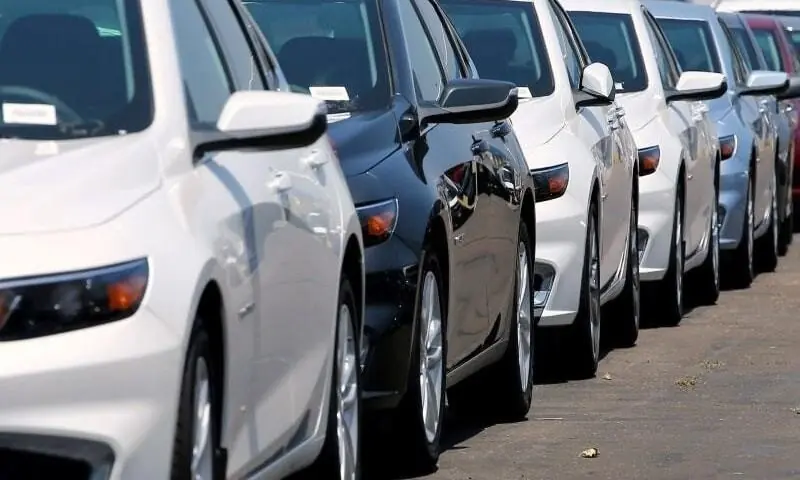
Pakistan's forthcoming automobile policy presents a critical test for policymakers, who must reconcile diverse commercial interests with the nation's broader economic, industrial, and environmental goals. This policy is poised to be the most significant industrial document for Pakistan in recent years, with major stakeholders actively lobbying to protect their commercial interests.
Legacy assemblers, focused on internal combustion engine (ICE) portfolios, seek continued protection. Hybrid and plug-in hybrid manufacturers are pushing for extensions of tax incentives that expired with the previous policy. Meanwhile, electric vehicle (EV) manufacturers are advocating for policies that accelerate electric mobility adoption, aligning with the government's commitment to boost EV share in new sales to 30% by 2030, 50% by 2040, and 100% by 2050, with a net-zero transport fleet ambition by 2060.
Auto parts manufacturers are demanding stricter localization requirements from new Chinese hybrid and EV brands. They also seek an immediate reversal of tariff liberalization introduced in the current year's budget. Their argument centers on the belief that reduced protection for the local auto industry discourages localization, promotes the import of completely built units (CBUs), and depletes foreign exchange reserves. This perspective warrants serious consideration.
The government faces the challenge of accommodating these conflicting demands without losing sight of the overarching objective: fostering a competitive automobile industry capable of producing 500,000 vehicles annually. This ambitious target has been a recurring feature in successive auto policies but has remained elusive. The policy's success hinges on finding a balance that avoids protectionism for its own sake or liberalization driven purely by ideology. Pakistan has approached this production level only twice before, exceeding 300,000 units, only to see gains reversed by macroeconomic instability, currency depreciation, import restrictions, and collapsing consumer financing, indicating a structural problem.
DistantNews Editorial
Originally published by Dawn. Summarized and contextualized by our editorial team with added local perspective. Read our editorial standards.
More Stories

From Our Blog

What Gets Lost (and Found) When News Is Translated

The Critical Role of Diaspora Media in Global News

What Travellers Should Know About Countries with Restricted Press

A Digital Nomad's Guide to Following Local News

How the Same Story Looks Different in Different Countries
