


In South Korea, Some Borrowers With 600 Credit Scores Pay Less Than Those Above 900
Translated from Korean and summarized by DistantNews. Read the original for the full story.
At a glance
News
Documents & data
New plan
- Average unsecured-loan rates for highly rated borrowers at the five major South Korean banks rose over the past year, while rates for lower-rated borrowers fell.
- Shinhan Bank and NongHyup Bank reported cases where borrowers with credit scores below 600 received lower rates than borrowers in the 601-650 range.
- The government is encouraging more mid-interest lending and preparing reforms to personal credit evaluation systems.
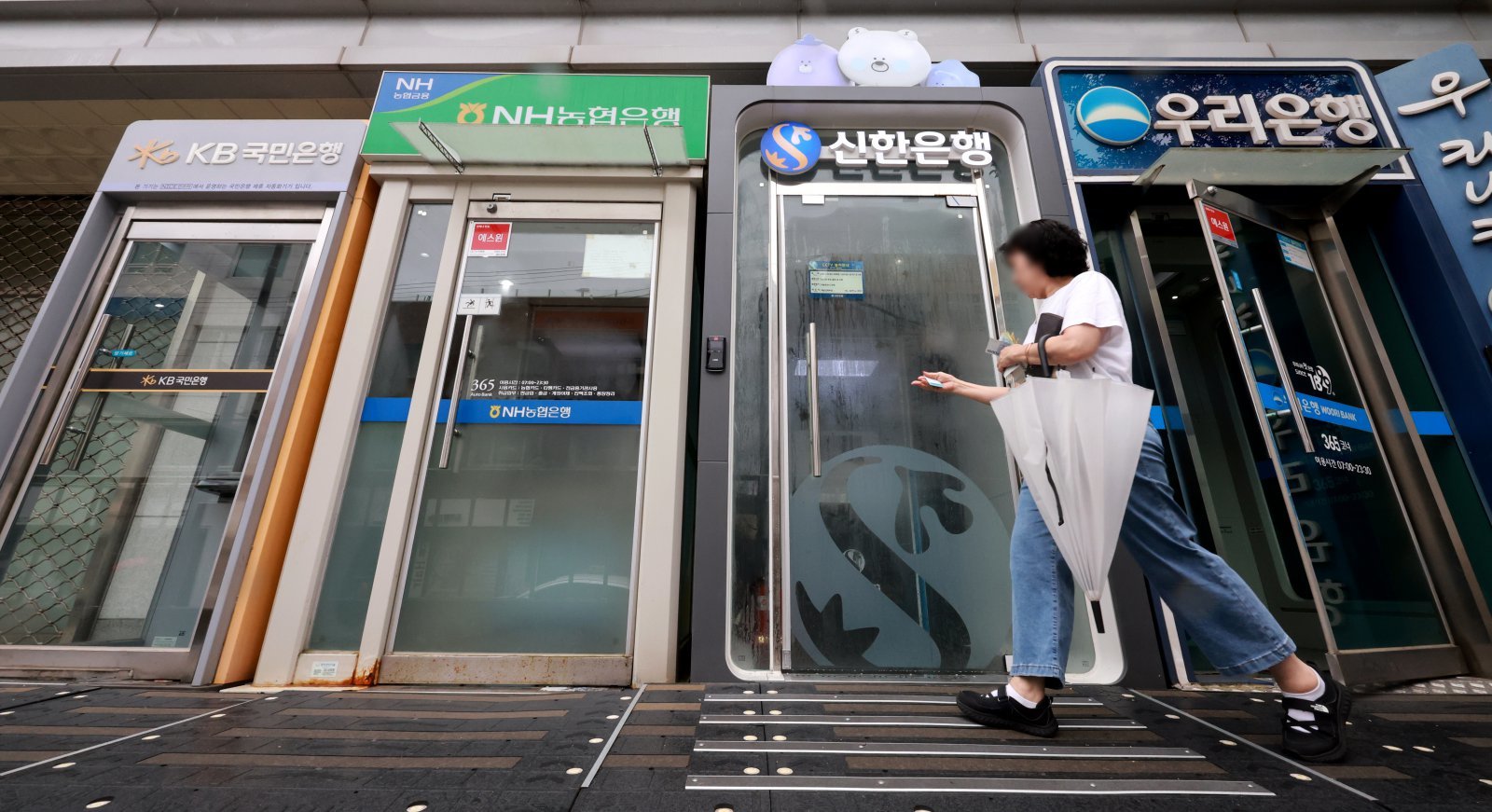
South Korea’s usual lending rule, that stronger credit scores bring lower interest rates, has begun to reverse at some banks.
Data from the Korea Federation of Banks showed that the average unsecured-loan rate for customers with scores above 950 at the country’s five major banks reached 4.87% in July, up from 4.13% a year earlier. The rate for borrowers scoring 901 to 950 rose to 5.32% from 4.52%.
Rates for lower-credit customers moved in the opposite direction. The average rate for borrowers scoring 601 to 650 fell to 8.188% from 9.464%, while the rate for those below 600 declined to 8.37% from 9.464%. Shinhan charged 7.38% to customers below 600, compared with 7.89% for those scoring 601 to 650. NongHyup showed a similar reversal.
The credit-rating system and risk management are becoming more difficult.
Banks attributed the pattern partly to the smaller number of low-credit borrowers and policy-backed products such as Sae희망홀씨. Government efforts to expand inclusive finance have also encouraged banks to cap or reduce interest costs for vulnerable borrowers.
The government plans to revise personal credit assessments to consider borrowers’ ability to recover and future growth prospects, while expanding alternative credit scoring. Authorities are also offering stronger incentives for mid-interest loans, a policy banks expect could keep the rate reversal in place through the end of the year.
Because the expansion of incentives for mid-interest loans effectively ordered an increase in supply, the pool of loans available to low-credit borrowers will grow.
About this summary
Originally published by Dong-A Ilbo in Korean. Translated, summarized, and contextualized automatically by DistantNews, with a note on how the source frames the story. Not individually reviewed before publishing. How this works.
More Stories


From Our Blog

What Gets Lost (and Found) When News Is Translated

The Critical Role of Diaspora Media in Global News

What Travellers Should Know About Countries with Restricted Press

A Digital Nomad's Guide to Following Local News

How the Same Story Looks Different in Different Countries
