


In this job market, women have the upper hand
Summarized and contextualized by DistantNews.
At a glance
News
Named sources
Context piece
- The U.S. job market shows a growing disparity, with women securing a significantly larger share of new private-sector jobs created this year.
- This trend is attributed to structural economic changes, including growth in female-dominated industries like healthcare, and policy choices favoring risk reduction.
- While men still hold more jobs overall, the rise in male unemployment and non-employment raises concerns for the economy and society, potentially impacting marriage rates and mental health.
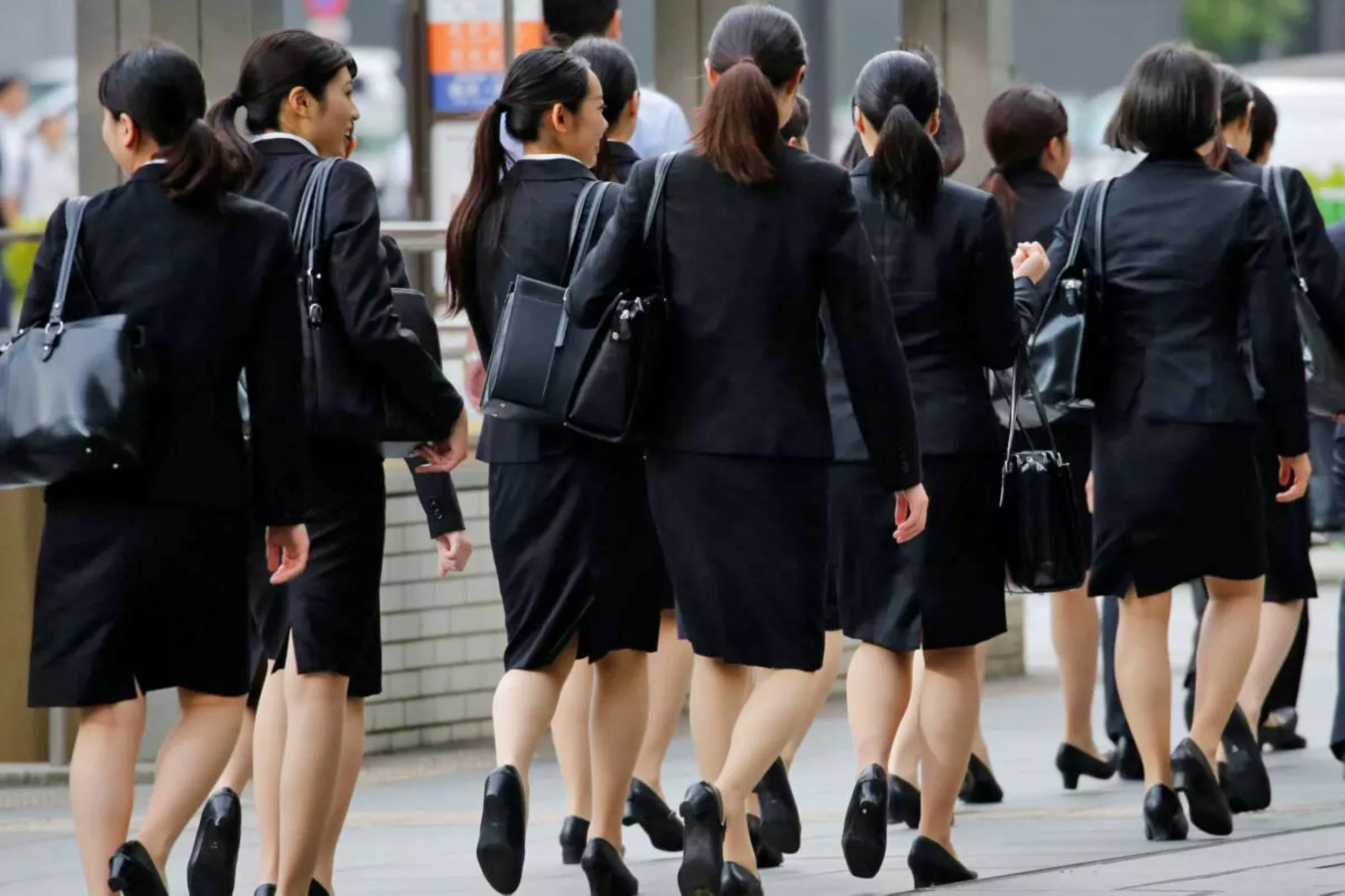
In a striking shift within the American labor landscape, recent data reveals that women are increasingly outpacing men in securing new private-sector employment. This year, women have captured 72% of the over 165,000 private-sector jobs created, signaling a significant trend that challenges traditional notions of male dominance in the workforce. This phenomenon is not merely a statistical anomaly but reflects deeper structural changes in the U.S. economy.
The evolving economy, driven by technological advancements, has seen a decline in manufacturing and a rise in the service sector, particularly in fields like healthcare, which employs a workforce that is approximately 80% female. Furthermore, the nature of the modern economy favors individuals with higher education, an area where women have increasingly surpassed men in attainment. These factors combine to create an environment more conducive to female employment.
However, this economic transformation comes with a notable downside: a persistent and growing issue of male unemployment and non-employment. Even among prime working-age men, the numbers of those both seeking work and no longer looking have increased. This trend is a cause for concern, as it can correlate with societal issues such as lower marriage rates, an increase in single mothers, and higher rates of mental health challenges among men. The loss of economic and personal potential for a significant segment of the male population represents a considerable challenge for both the economy and social fabric.
While economies naturally evolve, the article suggests that certain trends are policy-driven and could potentially be reversed. The current U.S. policy environment, characterized by tax codes and workplace regulations that encourage compensation in the form of insurance (especially health insurance) rather than direct pay, may inadvertently contribute to this shift. This emphasis on risk reduction, while offering benefits like broader insurance coverage, comes at a trade-off: it increases spending in sectors like healthcare, potentially at the expense of other areas of economic growth or job creation traditionally held by men. The article posits that a re-evaluation of these policy choices could help rebalance the labor market.
DistantNews Editorial
Originally published by Gulf Today. Summarized and contextualized by our editorial team with added local perspective. Read our editorial standards.
More Stories



From Our Blog

What Gets Lost (and Found) When News Is Translated

The Critical Role of Diaspora Media in Global News

What Travellers Should Know About Countries with Restricted Press

A Digital Nomad's Guide to Following Local News

How the Same Story Looks Different in Different Countries
