


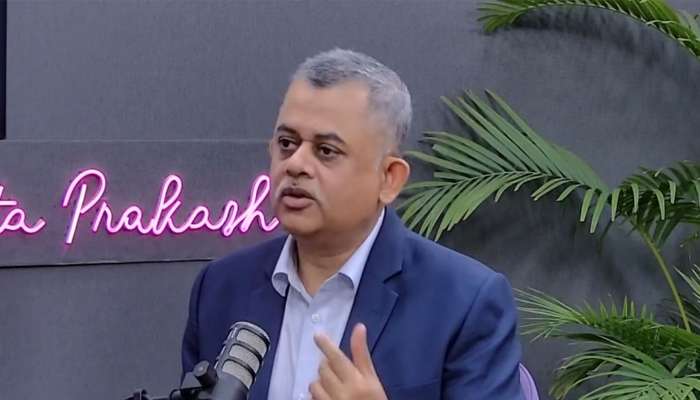
India can grow over 8% despite oil shocks: World Bank Executive Director
Translated from English, summarized and contextualized by DistantNews.
At a glance
News
Named sources
Context piece
- - India's economic growth is strong and can exceed 8% despite oil price shocks, according to World Bank Executive Director Neelkanth Mishra.
- Mishra stated that India is better positioned than other energy importers to absorb higher oil prices due to its refining capacity and strong domestic demand.
- He attributed the positive outlook to factors like accelerating credit growth, manageable fiscal deficits, and robust ground indicators such as car sales and mall footfalls.
India's economic growth momentum remains robust and fears of crude oil price shocks derailing it are a "narrative problem, not reality," said Neelkanth Mishra, India's newly appointed Executive Director at the World Bank. Mishra, also a member of the Prime Minister's Economic Advisory Council, argued in an exclusive interview with ANI that India is better placed than most energy importers to absorb higher oil prices without significant damage to its growth. He pointed to India's 7.1% growth in FY25 despite monetary and fiscal headwinds, suggesting that without these constraints, growth would have been higher. With accelerating credit growth and a stable budgeted deficit, Mishra estimates the economy is on track for 8%+ growth through March 2026, citing strong ground indicators like a 29% year-on-year car sales growth in May and high mall footfalls. Mishra explained that India's vulnerability to crude oil price hikes is lower than often portrayed. Indian oil marketing companies, which are also refiners, benefit from increased refining margins when diesel cracks rise. He calculated that at $100 per barrel crude with a $50 diesel crack, India faces a landed cost of $120, while other countries face $150. With current easing oil prices and cooling diesel cracks, India does not need to raise fuel prices, and the existing cushion is sufficient. While acknowledging that $100/barrel oil creates a drag on growth, Mishra projected that fiscal support measures like fertilizer price caps would not be needed by March 2027 as oil futures are expected to be around $80/barrel. He identified the currency as the only serious vulnerability, not growth. Mishra stressed India's fiscal discipline has improved, and the combination of strong domestic demand, fading headwinds, and refining surplus suggests growth can remain near 7.5-8% even with elevated crude prices. The primary challenge, he noted, is managing the public narrative to reflect this economic resilience.
India's growth momentum remains strong and fears that crude price shocks will derail it are a "narrative problem, not reality."
DistantNews Editorial
Originally published by Times of Oman in English. Translated, summarized, and contextualized by our editorial team with added local perspective. Read our editorial standards.
More Stories


From Our Blog

What Gets Lost (and Found) When News Is Translated

The Critical Role of Diaspora Media in Global News

What Travellers Should Know About Countries with Restricted Press

A Digital Nomad's Guide to Following Local News

How the Same Story Looks Different in Different Countries
