

India holds out for better terms in US trade talks, rejecting quick deal
Translated from English, summarized and contextualized by DistantNews.
At a glance
News
Named sources
Context piece
- India rejected a quick trade agreement with the US, seeking better terms.
- New Delhi wants tariff advantages over competitors like China and no new US levies.
- Prime Minister Modi's confidence stems from new trading partners and domestic political gains.
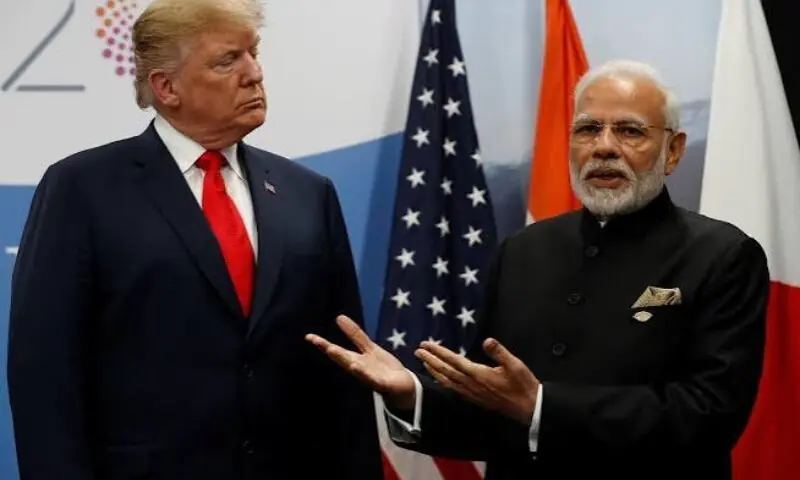
India has rejected a swift trade agreement with the United States, signaling its intent to secure more favorable terms. Officials and analysts suggest that Prime Minister Narendra Modi's government feels emboldened by new trading partners, reduced economic risks, and domestic political advantages. The two nations failed to finalize an interim trade deal during a recent visit by US Trade Representative Jamieson Greer to New Delhi, despite prior expectations of a limited agreement. A key sticking point was Washington's reluctance to provide assurances on India's primary demands: preferential tariff treatment over rivals such as China and a commitment to avoid new U.S. levies post-agreement. "Our position is clear, we don’t intend to rush into a deal that is not on favourable terms or compromise on red lines like ceding ground on agriculture," an Indian government official familiar with the negotiations stated. The U.S. had hoped for rapid trade concessions from India, viewing it as a strategic partner.
Our position is clear, we don’t intend to rush into a deal that is not on favourable terms or compromise on red lines like ceding ground on agriculture.
DistantNews Editorial
Originally published by Dawn in English. Translated, summarized, and contextualized by our editorial team with added local perspective. Read our editorial standards.
More Stories

From Our Blog

What Gets Lost (and Found) When News Is Translated

The Critical Role of Diaspora Media in Global News

What Travellers Should Know About Countries with Restricted Press

A Digital Nomad's Guide to Following Local News

How the Same Story Looks Different in Different Countries
