

India Likely to Halt Sugar Exports for Years Amid El Niño and Ethanol Demand
Translated from English, summarized and contextualized by DistantNews.
At a glance
News
Named sources
New plan
- India, a major sugar exporter, is unlikely to export significant amounts for at least three seasons due to El Niño impacting cane production and increased demand for ethanol.
- This reduced supply from India could tighten global markets, affecting importers in Asia, Africa, and the Middle East, while supporting benchmark prices.
- Government policies are expected to curb exports season by season, prioritizing domestic availability over international sales.
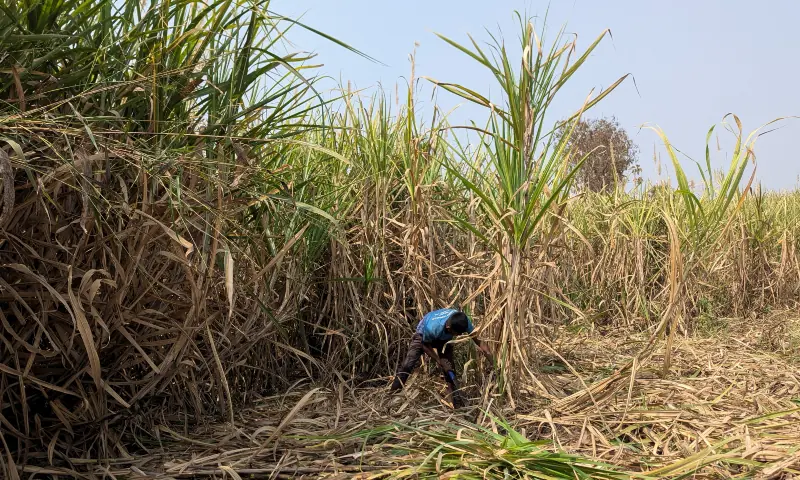
India, historically a major sugar exporter, faces a prolonged absence from the global market, with little surplus expected for export for at least the next three seasons. This situation stems from a combination of factors, including the anticipated impact of El Niño on sugarcane production and a surge in domestic demand for ethanol.
The twin pressures of reduced cane availability and rising ethanol consumption are projected to keep millions of tons of sugar off the world market. This tightening of global supplies could significantly affect importers across Asia, Africa, and the Middle East, potentially bolstering benchmark sugar prices in London and New York. India's absence removes a key balancing supplier as weather patterns and biofuel policies reshape global sugar trade flows.
Industry executives and government sources indicate that lower cane yields and increased ethanol demand will leave minimal sugar for export for several years. While India has banned sugar shipments until September 30, 2023, government and industry sources suggest New Delhi will likely withhold export permissions season by season rather than announce a multiyear ban. Mills have been advised by a top minister to prioritize domestic availability and refrain from lobbying for exports.
El Niño conditions are forecast to weaken India's monsoon rains, potentially leading to the lowest rainfall in 11 years. Below-average rainfall, including a significant deficit in June precipitation, has already prompted farmers to delay planting sugarcane. This uncertainty surrounding rainfall and its impact on planting adds to the concerns about future cane availability and India's role in the global sugar export market.
Supplies are already tight in India, and now El Niño is emerging as a major risk. If rains disappoint as forecast, cane planting will suffer and this will keep India out of the sugar export market for at least three years, while Brazil and Thailand could also see their crops affected by El Niño.
DistantNews Editorial
Originally published by Dawn in English. Translated, summarized, and contextualized by our editorial team with added local perspective. Read our editorial standards.
More Stories



From Our Blog

What Gets Lost (and Found) When News Is Translated

The Critical Role of Diaspora Media in Global News

What Travellers Should Know About Countries with Restricted Press

A Digital Nomad's Guide to Following Local News

How the Same Story Looks Different in Different Countries
