


India Opens Nuclear Power Sector to Private Investment, Targets 100GW
Translated from Vietnamese, summarized and contextualized by DistantNews.
At a glance
Analysis
Sources not specified
New plan
- India is opening its nuclear power sector to private investment, aiming to significantly increase its capacity.
- New regulations will allow private and joint-venture companies, including foreign investors, to build and operate nuclear power plants.
- While ambitious, the goal faces challenges including land acquisition and ensuring safety regulations attract international partners.
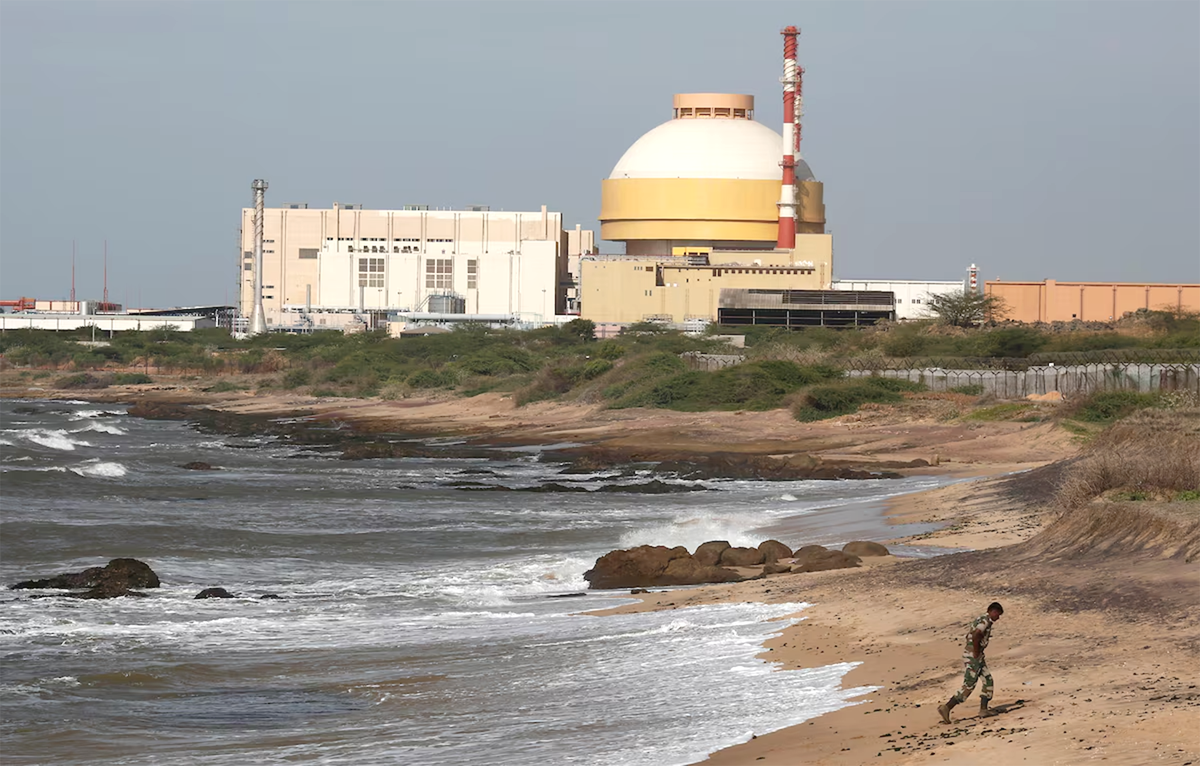
India is set to dramatically expand its nuclear power capacity, aiming for a tenfold increase to 100 gigawatts by 2047. A key reform involves ending the decades-long state monopoly in the nuclear energy sector, allowing private companies and foreign-invested joint ventures to participate in building and operating nuclear power plants.
The biggest turning point in the reform comes from New Delhi's decision to end the state's decades-long monopoly in the nuclear power sector.
Previously, only state-owned entities like the Nuclear Power Corporation of India (NPCIL) were permitted to operate such facilities. Recognizing that state resources alone are insufficient to meet the ambitious capacity target, the government is actively seeking private capital. Major Indian conglomerates, including Tata Power and Adani Group, are already exploring opportunities, with Tata Power evaluating potential sites for new projects.
To attract international investment and technology, India is also addressing concerns regarding liability in case of nuclear accidents. Proposed legislation aims to remove provisions that allow operators to sue technology suppliers for equipment failures. Instead, the plan includes establishing a nuclear liability fund and aligning compensation mechanisms with international standards.
With the goal of increasing capacity from about 8GW currently to 100GW by 2047, the government realizes that state resources are unlikely to meet the demands for capital, technology, and speed of deployment.
Despite the promising reforms, significant hurdles remain. Land acquisition for nuclear projects is a protracted process, often taking four to five years due to regulations requiring exclusion zones around facilities. Authorities are considering reducing the size of these zones to expedite development. The success of India's ambitious nuclear energy goals hinges on overcoming these challenges and effectively attracting the necessary private and foreign investment.
The new bill abolishes the regulation allowing the operator to sue technology suppliers for equipment failure, and proposes the establishment of a nuclear liability fund and adjustment of compensation mechanisms according to international practice.
DistantNews Editorial
Originally published by Tuổi Trẻ in Vietnamese. Translated, summarized, and contextualized by our editorial team with added local perspective. Read our editorial standards.
More Stories



From Our Blog

What Gets Lost (and Found) When News Is Translated

The Critical Role of Diaspora Media in Global News

What Travellers Should Know About Countries with Restricted Press

A Digital Nomad's Guide to Following Local News

How the Same Story Looks Different in Different Countries
