


India's 'Cockroach Party' protest leader emerges from viral post
Translated from English, summarized and contextualized by DistantNews.
At a glance
News
Named sources
Context piece
- Abhijeet Dipke, a 30-year-old political communications strategist, has become the prominent face of a large street protest movement in India against Prime Minister Narendra Modi's government.
- The movement, satirically named the "Cockroach Janta Party" (CJP), emerged from Dipke's viral social media post and serves as a rallying point for young Indians frustrated by unemployment and exam leaks.
- Tens of thousands have protested in New Delhi demanding the education minister's resignation over a medical entrance test paper leak that affected millions of students.
NEW DELHI, India – A single social media post, born from frustration, has propelled 30-year-old Abhijeet Dipke to the forefront of India's largest street protest movement against Prime Minister Narendra Modi's government since 2014. Dipke, a political communications strategist, posted six words on X: "What if all cockroaches come together?"
What if all cockroaches come together?
His post was a response to a Supreme Court judge's comment likening India's unemployed youth to "cockroaches." Though the judge later said his remarks were misconstrued, Dipke's post had already gone viral. It sparked the creation of a satirical platform, the "Cockroach Janta Party" (CJP), which has become a rallying point for millions of young Indians disillusioned by high unemployment, leaked exam papers, and a perceived lack of government accountability.
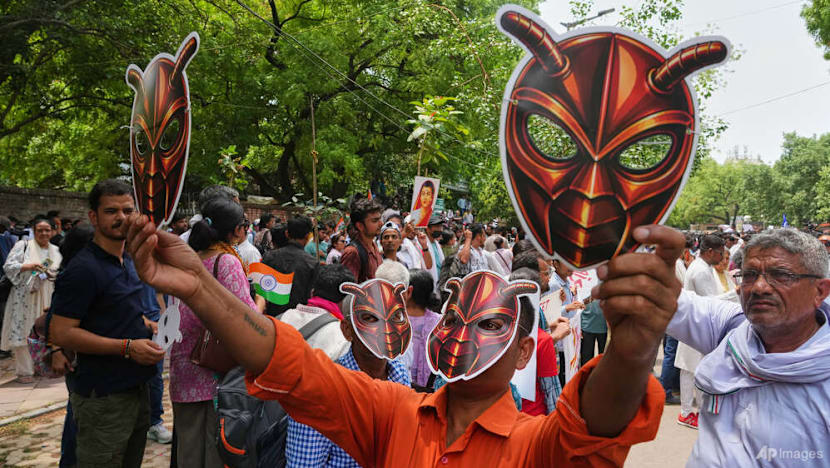
In recent days, tens of thousands have converged in New Delhi, calling for the resignation of India's Education Minister Dharmendra Pradhan. The demand stems from leaks of the medical entrance test paper, which impacted approximately 2 million students in May and has been linked to several student suicides. Protests have also occurred in other cities, including Mumbai.
My father comes from a very humble background. He grew up in extreme poverty. My grandfather was just a farmer.
Dipke, who returned to India from Boston in early June, has become the movement's most recognizable figure. He is a constant presence at the protest site, addressing crowds and urging them to remain peaceful while pressuring the government. Despite facing criticism, including an ink attack by a woman who accused the CJP of insulting a Hindu deity, Dipke, who comes from a historically disadvantaged Dalit community, has embraced his role. His Dalit identity has long influenced his political views, and upon arriving in Delhi, he held aloft a copy of B.R. Ambedkar's autobiography, a Dalit rights champion.
Blue is my colour
DistantNews Editorial
Originally published by The Straits Times in English. Translated, summarized, and contextualized by our editorial team with added local perspective. Read our editorial standards.
More Stories
From Our Blog

What Gets Lost (and Found) When News Is Translated

The Critical Role of Diaspora Media in Global News

What Travellers Should Know About Countries with Restricted Press

A Digital Nomad's Guide to Following Local News

How the Same Story Looks Different in Different Countries
