


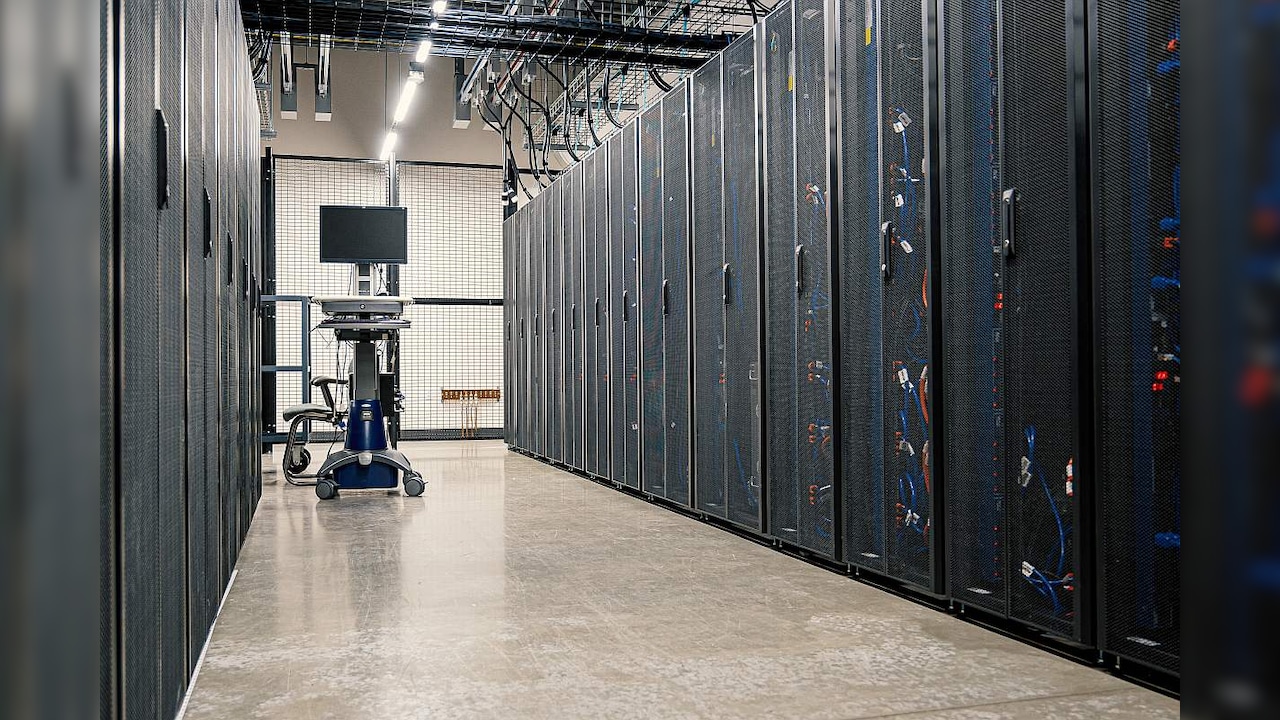
India's Data Centre Market Poised for Massive Growth, Reaching 101 Million Sq Ft by 2030
Translated from English and summarized by DistantNews. Read the original for the full story.
At a glance
News
Sources not specified
New plan
- India's data centre market is projected to expand significantly, reaching 101 million square feet by 2030 with an investment of $300 billion.
- Mumbai-MMR is currently the largest market, while Chennai, Bengaluru, Delhi-NCR, and Hyderabad are rapidly growing clusters.
- This boom is driven by increasing digital adoption, cloud computing, and data consumption across the country.
India's data centre industry is on the cusp of a dramatic expansion, with projections indicating a surge to 101 million square feet by 2030, backed by a substantial $300 billion investment. This growth trajectory positions India as a key player in the global digital infrastructure landscape.
The market's current landscape is dominated by the Mumbai Metropolitan Region (MMR), which stands as the largest data centre hub. However, significant development is also underway in emerging clusters, including Chennai, Bengaluru, Delhi-NCR, and Hyderabad. These cities are rapidly solidifying their positions as critical nodes for data storage and processing.
This boom is fueled by a confluence of factors, including the accelerating pace of digital transformation across various sectors, the widespread adoption of cloud computing services, and the exponential growth in data generation and consumption by businesses and individuals alike. The increasing reliance on digital services, from e-commerce to remote work and entertainment, necessitates a robust and scalable data infrastructure.
The substantial investment and expansion plans signal strong confidence in India's digital future and its capacity to support a burgeoning data economy. As more data is generated and processed domestically, the development of these data centres is crucial for enhancing connectivity, enabling innovation, and ensuring data sovereignty.
About this summary
Originally published by NDTV in English. Translated, summarized, and contextualized automatically by DistantNews, with a note on how the source frames the story. Not individually reviewed before publishing. How this works.
More Stories


From Our Blog

What Press Freedom Means for the News You Read

What Gets Lost (and Found) When News Is Translated

The Critical Role of Diaspora Media in Global News

What Travellers Should Know About Countries with Restricted Press

A Digital Nomad's Guide to Following Local News
