

India's Education Minister Resigns Amid Protests Over Leaked Exam Documents
Translated from German, summarized and contextualized by DistantNews.
At a glance
News
From a news agency
Outcome reported
- India's Education Minister, Dharmendra Pradhan, has resigned following widespread youth protests against a leaked university entrance exam.
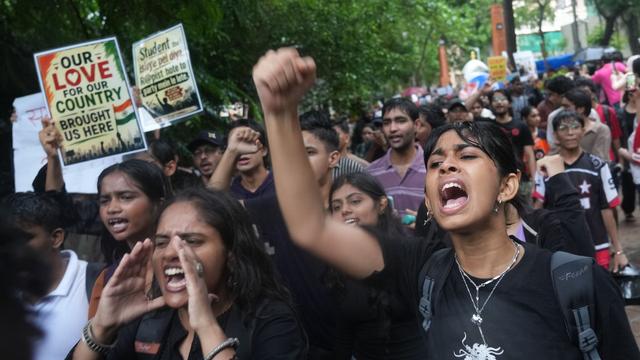
- The protests, led by the 'Cockroach' movement, demanded the minister's political accountability for the exam scandal.
- Pradhan cited respect for the youth's expectations in his resignation statement submitted to Prime Minister Narendra Modi.
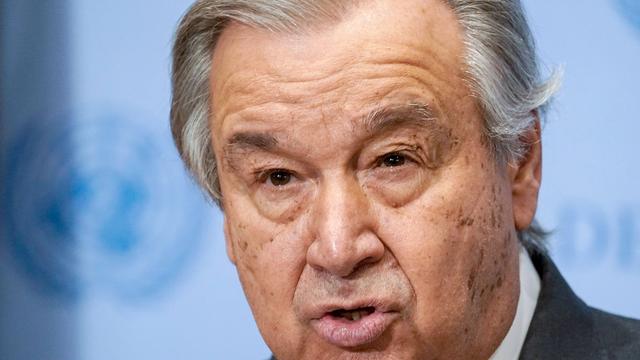
India's Education Minister, Dharmendra Pradhan, has resigned from his post amid mounting pressure from youth-led protests concerning a scandal involving leaked documents for a university entrance examination. The resignation follows significant demonstrations, particularly those organized by the 'Cockroach' movement, which had made the minister's ouster a central demand.
Pradhan announced his decision on the social media platform X, stating, "I have great respect for the legitimate expectations of the youth of this country." He confirmed that he had submitted his resignation letter to Prime Minister Narendra Modi. The 'Cockroach' movement and its supporters argued that the minister should bear political responsibility for the alleged leak of examination papers, which has caused widespread discontent among students.
Recent street protests in New Delhi saw clashes between the demonstrators and the police, highlighting the intensity of the public's reaction to the exam scandal. Observers noted that the protest movement has evolved into a significant challenge for the current government, reflecting deep-seated concerns about the integrity of the educational system and the fairness of access to higher education.
The resignation is seen as a response to the significant pressure exerted by the protesting youth, who felt their futures were jeopardized by the examination irregularities. The government faces the task of restoring public trust in the examination process and addressing the underlying issues that led to the scandal.
DistantNews Editorial
Originally published by Die Zeit in German. Translated, summarized, and contextualized by our editorial team with added local perspective. Read our editorial standards.
More Stories



From Our Blog

What Gets Lost (and Found) When News Is Translated

How the Same Story Looks Different in Different Countries

The Critical Role of Diaspora Media in Global News

What Travellers Should Know About Countries with Restricted Press

A Digital Nomad's Guide to Following Local News
