


India's Gen Z protesters adapt to internet curbs
Summarized and contextualized by DistantNews.
At a glance
News
Sources not specified
Ongoing story
- Thousands of Indian students protested exam irregularities, leading to internet service suspensions in New Delhi.
- Protesters used alternative communication methods like Bluetooth-based Bitchat to bypass internet curbs.
- The demonstrations, fueled by concerns over unemployment and governance, represent a significant challenge to Prime Minister Modi's administration.
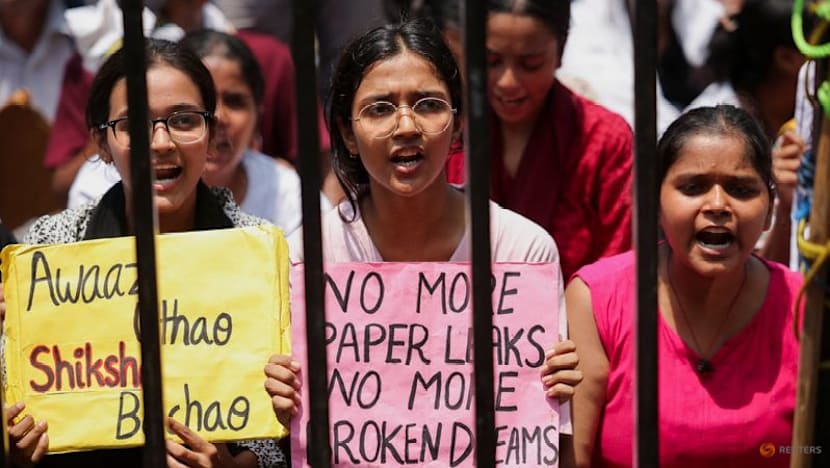
In New Delhi, thousands of young Indians are protesting irregularities in crucial exams, leading to government-imposed internet shutdowns. Students, many from Gen Z, have adapted to these curbs by employing alternative communication methods, demonstrating their resilience and tech-savviness.
Many people are using Bitchat.
The protests, initially focused on exam leaks and systemic issues, have broadened to encompass concerns about unemployment and the Modi administration's governance style. The demonstrations have become one of the most significant challenges to Prime Minister Narendra Modi's government since his re-election.
They think we are just part of the internet. Yeah, we know the internet – we also know how to communicate without the internet.
When mobile internet services were suspended near the protest site, students turned to peer-to-peer messaging apps like Bitchat, which operates via Bluetooth without an internet connection. This adaptation highlights their determination to communicate and organize despite government restrictions. Some protesters, like 21-year-old Kumar Shalabh, expressed defiance, stating they could communicate without the internet, countering the perception of being solely reliant on digital platforms.
They think we are dumb, we are foolish, but actually we are quite smart.
The government cited "public order and the prevention of incitement to the commission of any offence" as reasons for the internet shutdown. However, digital rights advocates and protesters argue that these measures aim to silence dissent. The Internet Freedom Foundation has called for the revocation of the order, standing with the protesters whose speech is being suppressed. The situation underscores the ongoing tension between government control and citizens' rights to assembly and communication in India.
Then there is Bitchat, where you can message using bluetooth.
DistantNews Editorial
Originally published by The Straits Times. Summarized and contextualized by our editorial team with added local perspective. Read our editorial standards.
More Stories



From Our Blog

What Gets Lost (and Found) When News Is Translated

The Critical Role of Diaspora Media in Global News

What Travellers Should Know About Countries with Restricted Press

A Digital Nomad's Guide to Following Local News

How the Same Story Looks Different in Different Countries
