


India's Private Space Revolution Takes Flight with Successful Rocket Launch
Translated from English, summarized and contextualized by DistantNews.
At a glance
News
Sources not specified
Context piece
- India's private space sector is rapidly growing, marked by Skyroot Aerospace's successful orbital launch of its Vikram-1 rocket.
- This milestone signifies India's shift from a government-led space program to a collaborative ecosystem involving public institutions, private companies, and researchers.
- The burgeoning Indian space economy, valued at $8.4 billion with over 400 startups, aims to capture 8% of the global market, leveraging decades of ISRO expertise.
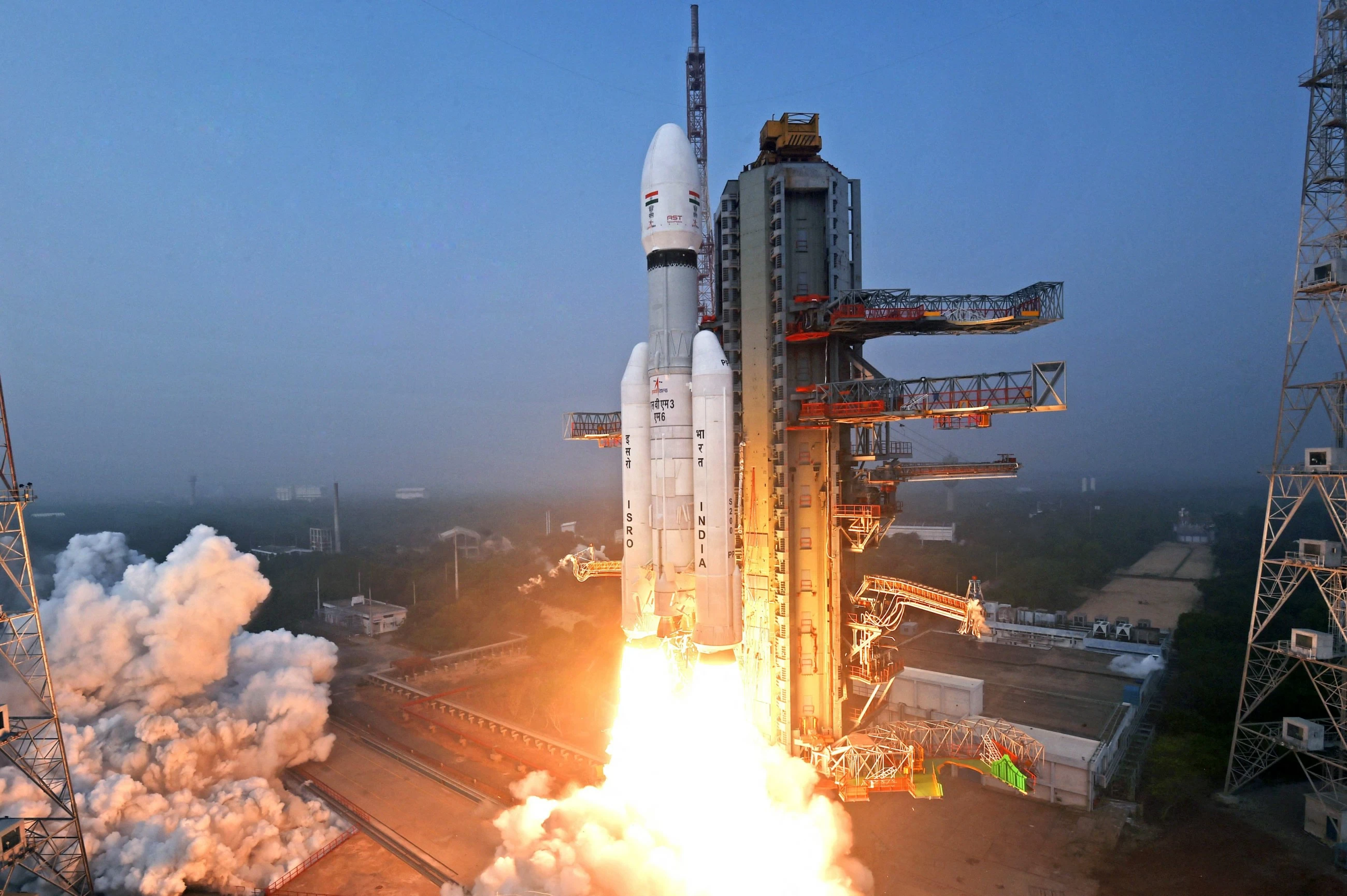
India's space program, long recognized for its technological achievements like reaching Mars and landing near the Moon's south pole, is entering a dynamic new phase driven by the rapid expansion of its private space economy. A pivotal moment arrived with Skyroot Aerospace's successful orbital launch of its Vikram-1 rocket, placing its payload into low-Earth orbit on its inaugural mission, 'Mission Aagaman.' This achievement underscores the private sector's capability to commercialize the technological foundation laid by the Indian Space Research Organisation (ISRO).
The success of Vikram-1 signifies more than just a single rocket launch; it highlights India's evolving space landscape. The nation is transitioning from a predominantly government-controlled program to a more inclusive ecosystem where public institutions, private companies, startups, researchers, and international partners collectively contribute to innovation and growth. This collaborative model leverages India's significant advantages, including decades of accumulated expertise, a vast pool of engineering talent, competitive operational costs, and established launch infrastructure.
India's private space sector is building upon the legacy of ISRO's groundbreaking missions, such as the Mars Orbiter Mission, the Chandrayaan lunar missions, the historic 2023 Moon landing, and the Aditya mission to study the Sun. These public sector achievements have solidified India's global reputation for delivering complex space missions efficiently and cost-effectively.
The Indian space economy is currently valued at approximately $8.4 billion, with more than 400 private space startups emerging since the sector opened to greater private participation in 2020. The country has set an ambitious goal to capture around 8% of the global space market. The industry's diversity is notable, with companies like Skyroot Aerospace developing small satellite launch vehicles, Pixxel focusing on Earth observation, Bellatrix Aerospace specializing in propulsion systems, and Agnikul Cosmos pioneering 3D-printed rocket engines. Collectively, these entities are fostering an integrated commercial space ecosystem.
The future of India's space economy extends beyond launch services. Satellites are becoming indispensable for various applications, including communications, navigation, agriculture, weather forecasting, disaster management, climate monitoring, logistics, and national security. As the reliance on space-based infrastructure intensifies, the demand for launch services, satellite technology, propulsion systems, and space-based data is expected to surge. India appears well-positioned to capitalize on this growing global demand, having already launched over 430 foreign satellites and more than 144 domestic ones, while continuing to expand its launch facilities.
DistantNews Editorial
Originally published by Gulf Today in English. Translated, summarized, and contextualized by our editorial team with added local perspective. Read our editorial standards.
More Stories



From Our Blog

What Gets Lost (and Found) When News Is Translated

The Critical Role of Diaspora Media in Global News

What Travellers Should Know About Countries with Restricted Press

A Digital Nomad's Guide to Following Local News

How the Same Story Looks Different in Different Countries
