


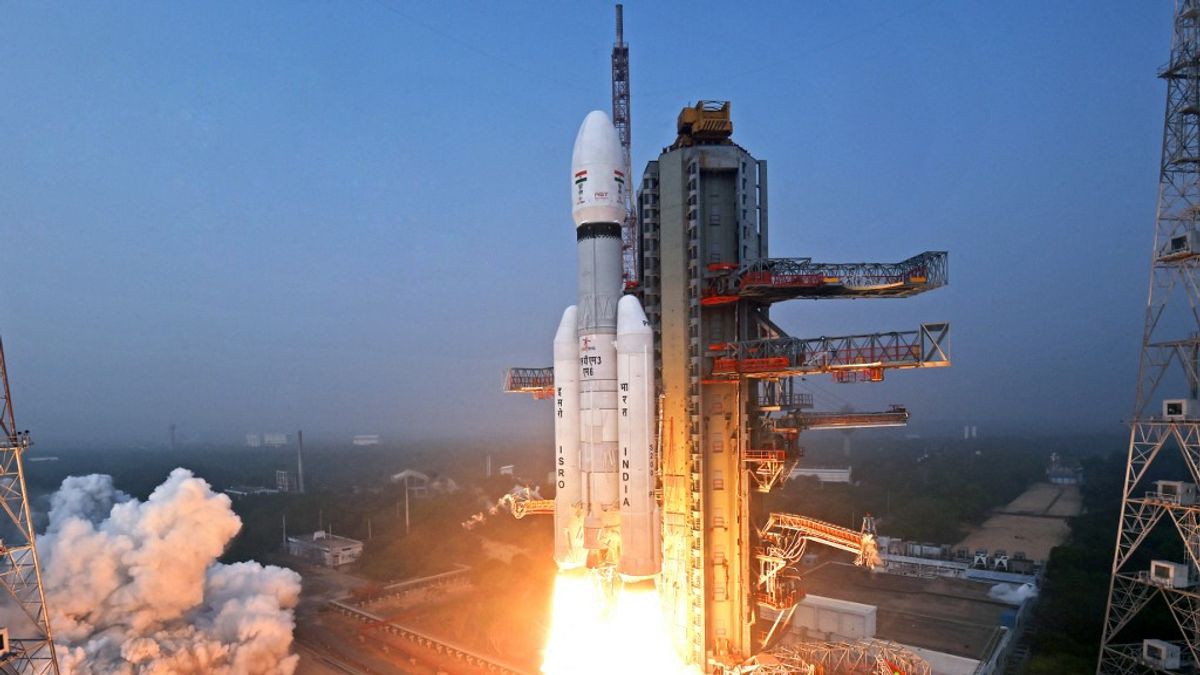
India's space program proves world-class innovation achievable at modest cost
Translated from Hungarian, summarized and contextualized by DistantNews.
At a glance
Analysis
Sources not specified
Context piece
- India is positioning itself as a collaborative and cost-effective space power, aiming to foster international partnerships for scientific and economic growth.
- The country has successfully launched hundreds of foreign satellites and joined the Artemis Accords for peaceful lunar exploration, strengthening its global standing.
- To maximize its potential, India plans to accelerate regulatory approvals, improve access to venture capital, and enhance collaboration between research institutions and industry.
India is leveraging its growing reputation as a reliable and affordable space power to build international partnerships, shifting the narrative from confrontation to cooperation in space exploration. Former Ambassador Gurjit Singh highlighted India's diplomatic success with the South Asia Satellite, which provided communication and development benefits to neighboring countries. India has also launched hundreds of foreign satellites using its rockets and joined the Artemis Accords, signaling a commitment to peaceful lunar exploration in collaboration with agencies like NASA, ESA, and JAXA.
India has demonstrated the diplomatic value of such cooperation. Through the South Asia Satellite, it has provided communication and development benefits to neighboring countries.
These partnerships bolster India's position as a leader in the Global South, offering development collaborations based on affordability, reliability, and mutual respect, rather than creating technological dependencies. Space cooperation has become a key diplomatic tool for India, strengthening bilateral ties and delivering tangible development benefits.
India's decision to join the Artemis Accords reflects its willingness to participate in the peaceful exploration of the Moon within the framework of international cooperation.
To fully realize its potential, India is focused on maintaining reform momentum. This includes speeding up regulatory approvals, improving access to venture capital, strengthening intellectual property protection, and fostering closer ties between research institutions, industry, and academia. Government procurement policies will continue to support Indian startups, enabling them to scale, innovate, and integrate into global supply chains.
These partnerships strengthen India's position as a leading voice of the Global South.
India is poised to play a larger role in shaping global space governance. As issues like satellite congestion, space debris, responsible resource utilization, and equitable access to new space technologies become more pressing, countries capable of building consensus will be increasingly needed. Singh noted that India's approach emphasizes collaboration and shared benefits, positioning it to lead in addressing these complex international challenges.
Space exploration cooperation has therefore become an increasingly important tool of Indian diplomacy, strengthening bilateral relations while also providing tangible development benefits.
DistantNews Editorial
Originally published by Magyar Nemzet in Hungarian. Translated, summarized, and contextualized by our editorial team with added local perspective. Read our editorial standards.
More Stories



From Our Blog

Countries Without a Free Press: What You Need to Know

What Press Freedom Means for the News You Read

What Gets Lost (and Found) When News Is Translated

The Critical Role of Diaspora Media in Global News

What Travellers Should Know About Countries with Restricted Press
