


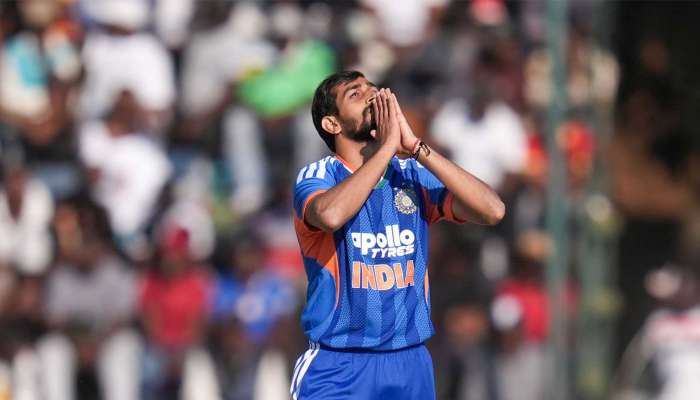
India secure first T20I series win under skipper Iyer, beat Zimbabwe by 90 runs
Translated from English, summarized and contextualized by DistantNews.
At a glance
News
Sources not specified
Outcome reported
- India secured their first T20I series victory under captain Shreyas Iyer, defeating Zimbabwe by 90 runs in the second T20I.
- India posted a strong total of 219/5, powered by explosive half-centuries from Ishan Kishan and Tilak Varma.
- Zimbabwe was bowled out for 129 in response, with Abhishek Sharma taking three wickets for India.
Team India clinched their first T20I series win under new captain Shreyas Iyer, dominating Zimbabwe by 90 runs in the second T20I held in Harare. This victory marks a significant turnaround after recent series losses to Ireland and England.
Put in to bat first, India amassed a formidable 219/5 in their allotted 20 overs. Ishan Kishan led the charge with a blistering 81 off 44 balls, while Tilak Varma provided crucial support with an unbeaten 60 from just 29 deliveries. Their aggressive partnership propelled India to a commanding total, putting Zimbabwe under immediate pressure.
In their chase, Zimbabwe's innings faltered under a disciplined bowling performance from the Indian side. Abhishek Sharma was the pick of the bowlers, taking 3 wickets for 17 runs. Yash Thakur and Prince Yadav also contributed with two wickets each, dismantling Zimbabwe's batting lineup. Despite a brief aggressive start from Brian Bennett, Zimbabwe was eventually bowled out for 129 runs in 17.5 overs, falling well short of the target.
Key wickets fell at regular intervals, including the crucial dismissal of Sikandar Raza for a duck. Although Prince Yadav had to leave the field due to a hamstring issue, the Indian bowlers maintained their intensity. Yash Thakur secured his first international wicket by dismissing Bennett for 32, and Abhishek Sharma closed out the innings by taking the final wicket.
DistantNews Editorial
Originally published by Times of Oman in English. Translated, summarized, and contextualized by our editorial team with added local perspective. Read our editorial standards.
More Stories

From Our Blog

What Gets Lost (and Found) When News Is Translated

The Critical Role of Diaspora Media in Global News

What Travellers Should Know About Countries with Restricted Press

A Digital Nomad's Guide to Following Local News

How the Same Story Looks Different in Different Countries
