

India working to stop all water flow to Pakistan, minister says
Translated from English, summarized and contextualized by DistantNews.
At a glance
News
Sources not specified
Context piece
- India is actively working to stop all water flow to Pakistan, according to its water minister.
- The move follows India suspending its Indus Waters Treaty membership after accusing Pakistan of backing a deadly attack in Kashmir.
- Experts suggest any diversion project would take years and have serious implications for Pakistan's agriculture and economy.
India is "actively working" to ensure "not a single drop of water" flows into neighboring Pakistan, according to the country's water minister. The statement comes after India suspended its membership in the Indus Waters Treaty (IWT) in May 2025, following accusations that Pakistan supported a deadly attack on tourists in Indian-administered Kashmir.
It is certain, not a single drop of water will go (to Pakistan) in the coming years.
Water Minister CR Patil told India's ANI news agency that "directives" from Prime Minister Narendra Modi are guiding this effort. The IWT, signed in 1960, governs the use of water from six rivers originating in India that flow into Pakistan. These rivers are a vital resource for hundreds of millions of people.
actively working on it
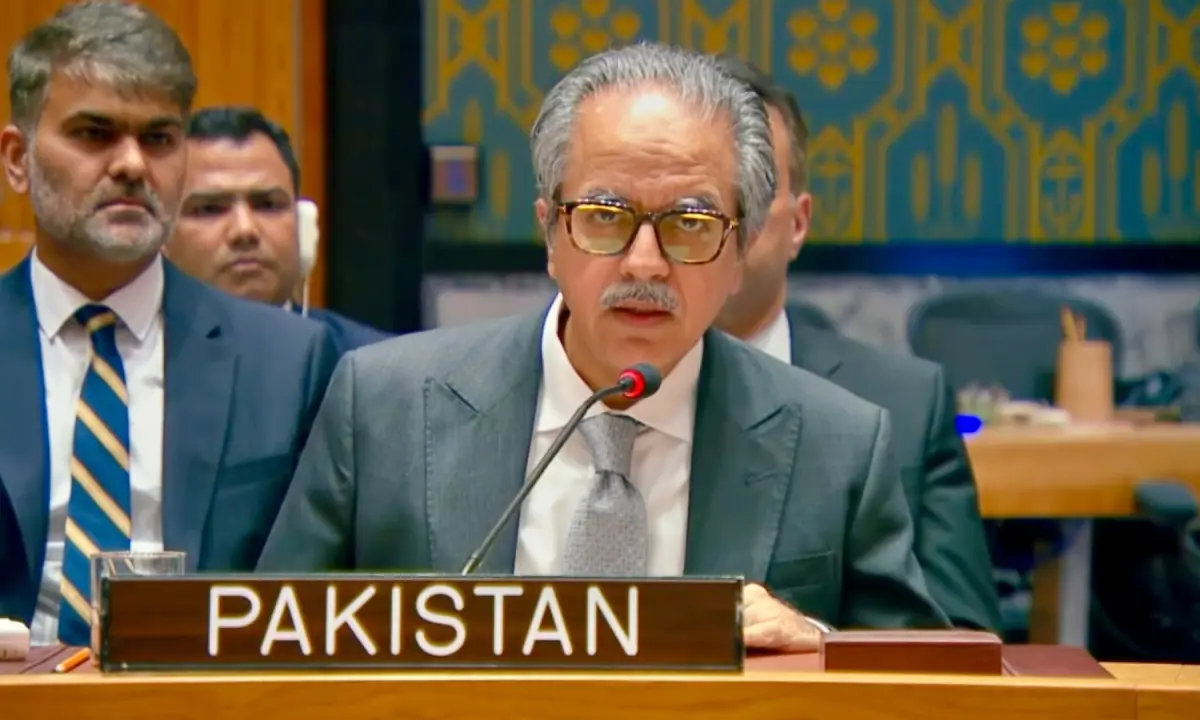
The dispute over water has been a persistent point of contention between the nuclear-armed neighbors. Pakistan has previously warned that any attempt to alter the flow of cross-border waterways would be considered an "act of war." The country also urged the UN Security Council to address the dispute, citing "grave peace and security, and humanitarian consequences" for South Asia.
directives
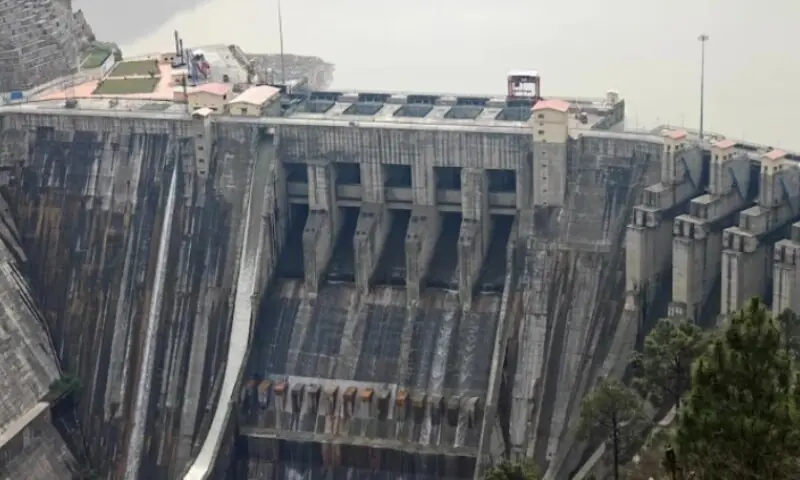
Experts note that India's current dams lack the capacity to completely block or divert water, primarily regulating flow timings. Any significant project to alter water flow would likely take several years to implement, with an official in Indian-held Kashmir suggesting such work could not begin before mid-2027 and would require at least five years to complete.
not be possible to start before mid-2027
DistantNews Editorial
Originally published by Dawn in English. Translated, summarized, and contextualized by our editorial team with added local perspective. Read our editorial standards.
More Stories

From Our Blog

What Gets Lost (and Found) When News Is Translated

The Critical Role of Diaspora Media in Global News

What Travellers Should Know About Countries with Restricted Press

A Digital Nomad's Guide to Following Local News

How the Same Story Looks Different in Different Countries
