


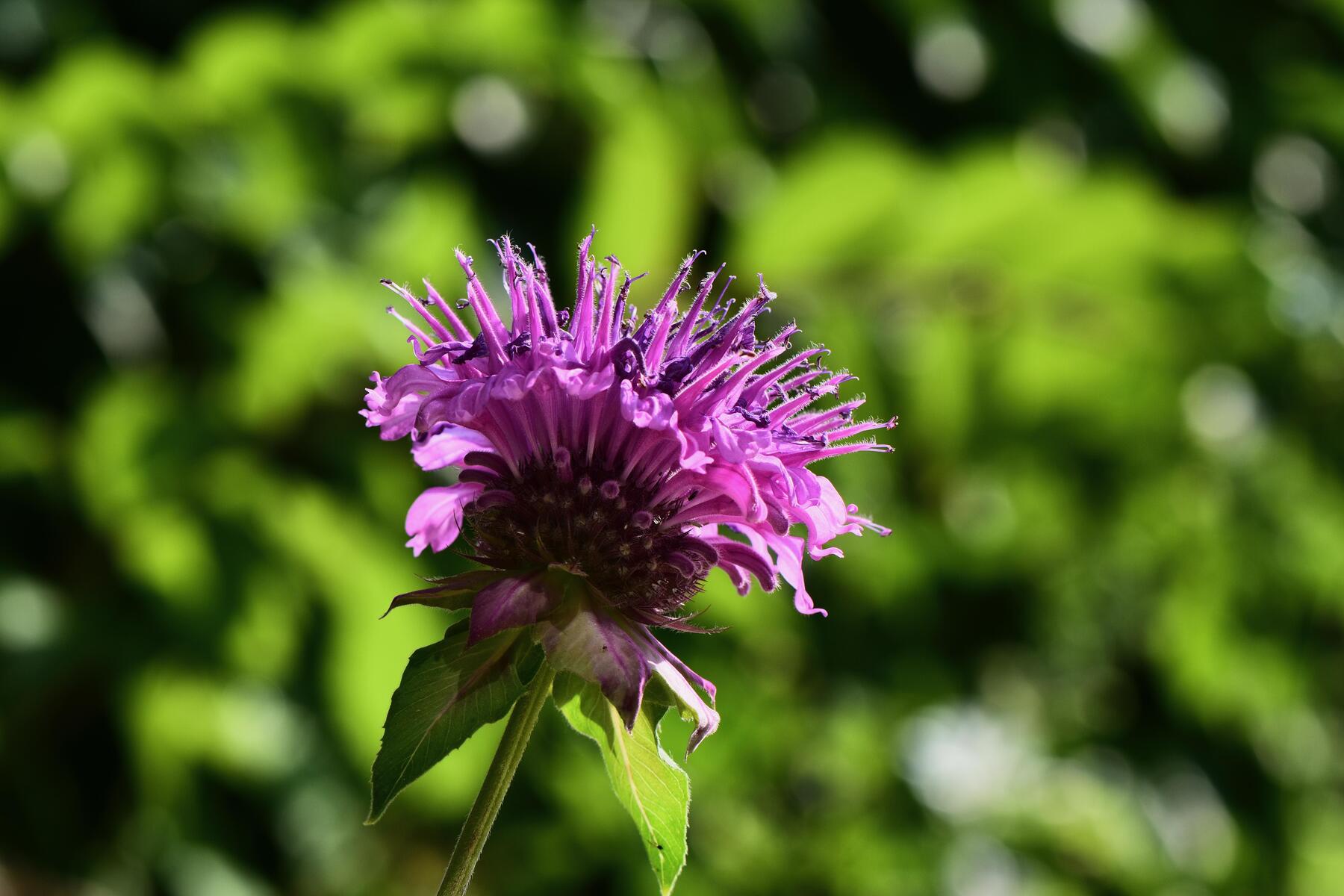
Indian Nettle: Choosing the Best Monarda Varieties for Garden, Tea, and Kitchen
Translated from German, summarized and contextualized by DistantNews.
At a glance
In-depth
Sources not specified
Context piece
- The article discusses various varieties of Indian nettle (Monarda), highlighting differences in their susceptibility to mildew.
- It differentiates between robust and less resistant types, noting that some are excellent for tea and culinary use.
- The focus is on selecting the best Monarda varieties for gardens, teas, and cooking.
The Indian nettle, or Monarda, offers a diverse range of varieties, each with distinct characteristics crucial for gardeners, tea enthusiasts, and cooks. A key differentiator among these plants is their susceptibility to powdery mildew, a common fungal disease that can affect their health and appearance.
Understanding these differences is vital for successful cultivation. Some Monarda varieties are notably more robust and resistant to mildew, making them a more reliable choice for gardens, especially in areas prone to the disease. These hardier types require less intensive care and are less likely to suffer aesthetic damage or reduced vigor.
Conversely, other varieties may be more prone to mildew. While potentially less resilient, these plants can still be valuable. The article suggests that certain types, even if susceptible to mildew, are excellent choices for preparing herbal teas or for use as culinary herbs, offering unique flavors and aromas.
Ultimately, the selection of Monarda varieties should consider the intended use and growing conditions. Whether for ornamental appeal in the garden, a soothing cup of tea, or adding a distinctive flavor to dishes, choosing the right type ensures the best results.
DistantNews Editorial
Originally published by Die Presse in German. Translated, summarized, and contextualized by our editorial team with added local perspective. Read our editorial standards.
More Stories



From Our Blog

What Gets Lost (and Found) When News Is Translated

The Critical Role of Diaspora Media in Global News

What Travellers Should Know About Countries with Restricted Press

A Digital Nomad's Guide to Following Local News

How the Same Story Looks Different in Different Countries
