


Indonesia Battles Over 2,000 Hotspots Amid Widespread Haze
Translated from Indonesian, summarized and contextualized by DistantNews.
At a glance
News
Sources not specified
Context piece
- Over 2,000 hotspots detected across Indonesia indicate a widespread haze problem.
- Riau province is particularly affected, with over 700 hectares of land burned and a high concentration of hotspots in Pelalawan district.
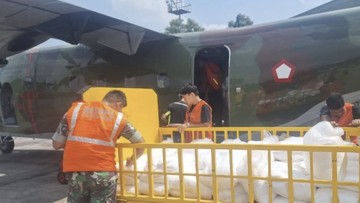
- Authorities are deploying resources to combat the fires, with Manggala Agni teams also assisting in other affected provinces like South Sumatra.
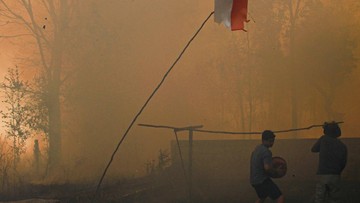
A thick haze has descended upon parts of West Sumatra, including Bukittinggi's Pasar Banto, as Indonesia grapples with over 2,000 detected hotspots nationwide. The provincial environmental agency has warned of declining air quality, with moderate levels attributed to numerous hotspots, especially in areas bordering Riau, Jambi, and Bengkulu.
The Meteorology, Climatology, and Geophysics Agency (BMKG) in Pekanbaru, Riau, reported 733 hotspots across Sumatra as of Friday afternoon. South Sumatra recorded the highest concentration with 377 hotspots, followed by Bangka Belitung (100) and Lampung (98). Riau itself registered 69 hotspots spread across eight districts, with Pelalawan being the most critical area, accounting for 56.
In Riau, land fires have already scorched over 700 hectares, primarily in Indragiri Hulu (434 ha) and Pelalawan (300 ha). Manggala Agni, a fire-fighting unit, is actively managing blazes in other Riau districts like Kampar, Siak, and Bengkalis. "The frequency of fires in Riau and South Sumatra is currently increasing," stated Ferdian Krisnanto, head of the Sumatra Forest Fire Control Unit. "Manggala Agni teams from Jambi have also been deployed to South Sumatra for almost 15 days."
The frequency of fires in Riau and South Sumatra is currently increasing. Manggala Agni teams from Jambi have also been deployed to South Sumatra for almost 15 days.
DistantNews Editorial
Originally published by Republika in Indonesian. Translated, summarized, and contextualized by our editorial team with added local perspective. Read our editorial standards.
More Stories

From Our Blog

What Gets Lost (and Found) When News Is Translated

The Critical Role of Diaspora Media in Global News

What Travellers Should Know About Countries with Restricted Press

A Digital Nomad's Guide to Following Local News

How the Same Story Looks Different in Different Countries
