

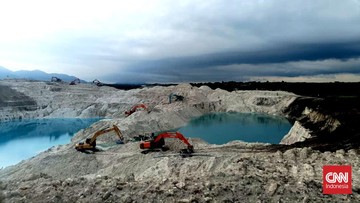

Indonesia Prioritizes Mineral Downstreaming for Added Value
Translated from Indonesian, summarized and contextualized by DistantNews.
At a glance
News
Sources not specified
Context piece
- President Prabowo Subianto highlighted mineral and coal downstreaming as key to increasing Indonesia's added value.
- The government launched 26 downstreaming projects in 2026, focusing on processing raw materials into intermediate and final products domestically.
- These projects, including coal to DME and copper to brass, aim to build a national industry with added value from upstream to downstream.
President Prabowo Subianto has emphasized the critical role of downstreaming in boosting Indonesia's mineral and coal sectors. The government is prioritizing the domestic processing of natural resources into intermediate and final products, rather than exporting raw materials.
In a speech to the MPR and joint sessions of the DPR and DPD, Prabowo announced the launch of 26 downstreaming projects in 2026. These initiatives span various sectors, including transforming coal into dimethyl ether (DME), processing copper and gold, developing industrial salt, and establishing alumina smelters for aluminum production. The president stated these projects are expected to create tens of thousands of jobs, forming a core strategy for building a value-added national industry.
State-owned enterprises, particularly the mining industry holding company MIND ID, are central to this strategy. MIND ID, integrating companies like ANTAM, INALUM, PT Bukit Asam, PT Timah, PT Freeport Indonesia, and PT Vale Indonesia, aims to create a national mineral downstreaming ecosystem. This includes developing the bauxite-alumina-aluminum chain in West Kalimantan and advancing copper and gold processing into manufacturing sectors, such as producing brass cups and copper rods and pipes.
Prabowo noted that the profits from state-owned enterprises are now being reinvested to drive downstreaming efforts, alongside upstream development. This integrated approach seeks to maximize the value derived from Indonesia's natural wealth, fostering industrial growth and employment opportunities across the archipelago.
DistantNews Editorial
Originally published by Republika in Indonesian. Translated, summarized, and contextualized by our editorial team with added local perspective. Read our editorial standards.
More Stories


From Our Blog

What Gets Lost (and Found) When News Is Translated

The Critical Role of Diaspora Media in Global News

What Travellers Should Know About Countries with Restricted Press

A Digital Nomad's Guide to Following Local News

How the Same Story Looks Different in Different Countries
